







































































































































































Introducing a new puppy to your current dog is often an exciting process, and many dogs will become fast friends and eas...
Read MoreAdopt Me




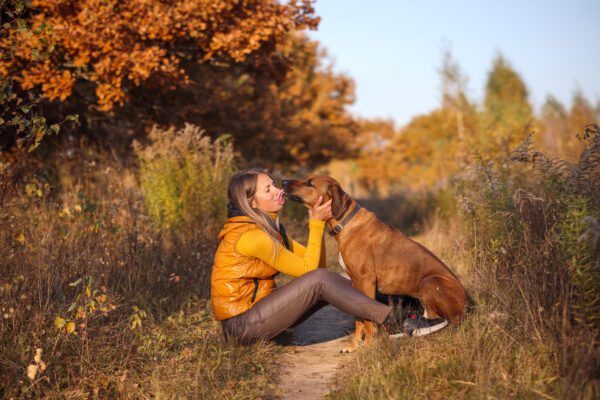
Rhodesian Ridgebacks are athletic, loyal, and deeply bonded to their families. They are confident watchdogs with a calm home demeanor when well exercised. Their short coat is low maintenance, and their endurance suits active owners who enjoy hiking, jogging, and structured play.
Research matters before you adopt a high-drive hound. Ridgebacks are independent thinkers with a strong prey drive and significant exercise needs. Adoption gives a deserving dog a second chance while allowing you to learn about a dog’s temperament from people who have already evaluated the dog. In many cases, adoption fees include essential veterinary care that a buyer would need to arrange and pay for later.
Wisconsin offers parks, trails, and open spaces that fit an energetic breed, yet the state’s cold winters demand preparation. Ridgebacks tolerate heat better than cold due to their short coat. Winter walks call for a fitted jacket, limited time outdoors during extreme cold, and safe footing on ice. Urban adopters should plan daily structured exercise and enrichment, while rural adopters should ensure secure fencing to manage prey drive around wildlife.
You can skip searching shelters and rescues one by one by browsing adoptable dogs through Dog Academy. The listings bring together dogs from local animal shelters, regional rescues, and breed-specific rescue groups. You can also use Dog Academy’s educational guides and adoption checklists to prepare your home and family before you apply.
Start by browsing listings and reading each dog’s bio. Pay attention to age, size, energy level, medical notes, and any training history. Contact the organization that is caring for the dog and ask for details about temperament, exercise needs, and the dog’s experience with other dogs, cats, and children. Understanding Ridgeback traits such as independence, prey drive, and sensitivity to firm but fair handling will help you choose the right match.
Next, complete an application. Applications usually ask for identification, housing information, landlord approval if you rent, and references. Many groups request a veterinary reference for current or past pets to confirm responsible care. After a review, you may be invited to a meet-and-greet at a shelter, an adoption center, or a foster home. A meet-and-greet allows you to observe the dog’s response to you, to family members, and to any resident pets.
Some organizations conduct a home check. A home check verifies safe fencing, secure storage of household hazards, and appropriate areas for rest and feeding. Home checks can be in person or virtual through a video call. Approval timelines vary, though many decisions occur within 1 to 3 weeks depending on volunteer availability, the number of applicants, and the dog’s needs.
When approved, you sign an adoption agreement and pay the fee. Many rescues also schedule a follow-up call to ensure the transition is going smoothly. If the right dog is located outside your immediate area, rescues sometimes arrange transport to move dogs between locations using volunteer drivers or licensed carriers. Transport is coordinated to protect the dog’s safety and may require a health certificate and a modest transport fee.
|
How Much Does It Cost to Adopt a Rhodesian Ridgeback in Wisconsin?In Wisconsin, you can expect adoption fees for a Rhodesian Ridgeback to range from $250 to $550 for most adult dogs. Puppies and young adolescents often cost more due to high demand and recent veterinary care, which commonly places them between $450 and $650. Costs vary based on age, training, medical care, and local demand. Fees are higher when the dog has received comprehensive veterinary services or professional training, and lower for seniors or dogs with ongoing medical needs. Most fees include spaying or neutering, vaccinations, microchipping, and veterinary exams. Many groups also provide heartworm testing, parasite screening, and a starter supply of preventatives. Dogs recovering from medical treatment or dental work may have slightly higher fees to offset care already provided. |
How Should I Train a Rhodesian Ridgeback?Rhodesian Ridgebacks are intelligent and quick to learn when the training is clear and consistent. They respond best to positive reinforcement that rewards good choices with food, play, and praise. Short sessions that build success keep them engaged and prevent boredom. Common challenges include distracted recall, leash pulling, and impulse control around wildlife. Teach a reliable recall with high-value rewards, long-line practice, and gradual distractions. Build loose-leash walking with frequent reinforcement for a slack leash and well-timed direction changes. Add impulse control through sit-stay at doorways, calm greetings, and structured decompression after exercise. Socialize early and continue through adulthood with neutral dog greetings, exposure to varied surfaces, and calm visits to busy areas. Crate training helps with rest and safe travel, while enrichment such as scent games and food puzzles satisfies a Ridgeback’s working mind. If you want step-by-step guidance, explore Dog Academy’s online training courses for foundation skills, leash manners, and recall training designed by canine behavior experts. |

|
The ideal Wisconsin adopter is active, patient, and consistent. A Ridgeback thrives with daily exercise, clear structure, and kind leadership. Families with secure fencing and a plan for cold-weather care will find this breed to be a loyal companion and a steady home presence.
Take time to research, prepare your home, and select a dog whose energy and temperament match your lifestyle. When you move at a thoughtful pace and rely on expert resources, you set the stage for a smooth transition and a lasting bond with your Rhodesian Ridgeback in Wisconsin.

Introducing a new puppy to your current dog is often an exciting process, and many dogs will become fast friends and eas...
Read More
Rescue dogs can make great companions and can transform your home into something better. These dogs make great pets and ...
Read More
You should never rush to pet a dog. Even dog owners make the mistake of approaching unfamiliar dogs and petting them rig...
Read More
Puppy mill dogs are survivors who have endured extreme hardships in their lives. They have grown up in horrendous, unsan...
Read More
With their wagging tails and comforting presence, adopting a dog can add a unique touch to your life. It’s a heart...
Read More
Older dogs may have a few gray hairs around the edges, but that doesn’t mean they can’t make wonderful companions! T...
Read More