

























































































































































































Introducing a new puppy to your current dog is often an exciting process, and many dogs will become fast friends and eas...
Read MoreAdopt Me

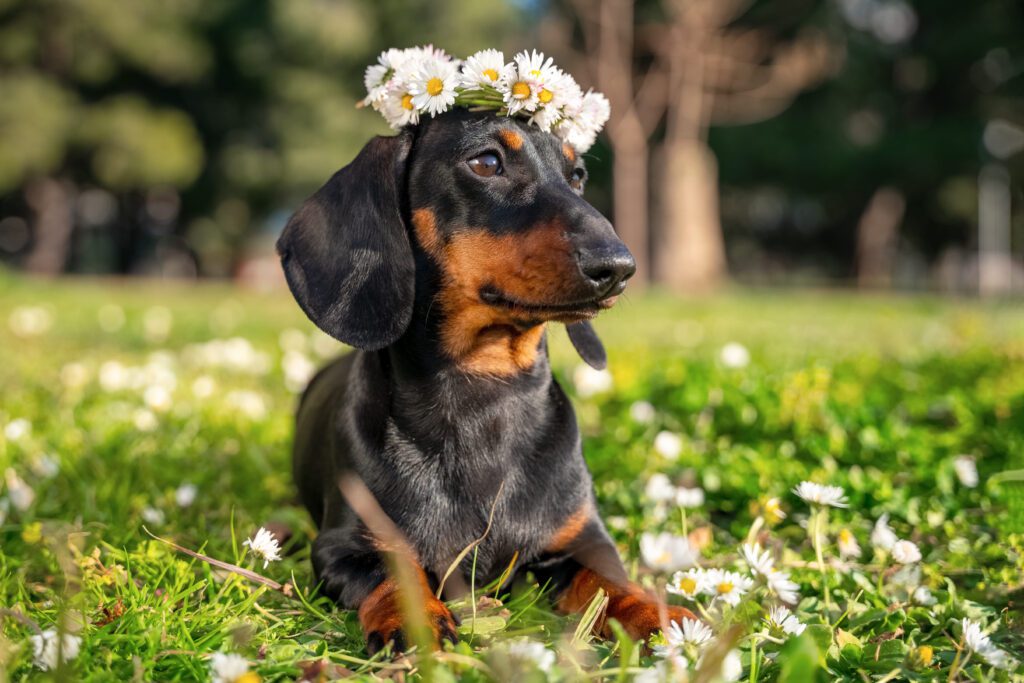


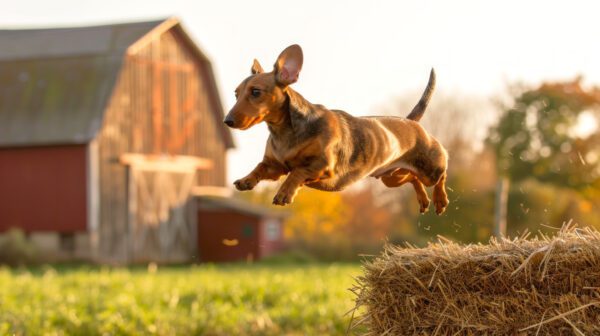
Miniature Dachshunds are bright, loyal, and lively little hounds. They love to cuddle, they enjoy short bursts of play, and they form strong bonds with their families. Their compact size fits well in apartments and smaller homes. They carry a big-dog attitude in a small frame, which makes them charming and sometimes a little headstrong.
Before you adopt a Miniature Dachshund in Wisconsin, take time to study the breed’s needs. Adoption gives a deserving dog a second chance and often includes essential veterinary care, which makes it a smart and compassionate choice. Research ensures you understand energy levels, grooming needs, and health considerations that affect everyday life.
Wisconsin’s long, cold winters can challenge this short-coated breed. Miniature Dachshunds need warm layers, limited outdoor time in extreme cold, and safe footing when sidewalks freeze. Summers bring lake days, wooded trails, and neighborhood walks that suit their moderate exercise needs. Their short legs handle short hikes, not rugged climbs, and their long backs do best with ramps for stairs and furniture. Urban and suburban living can work well when daily walks, mental games, and secure fencing prevent wandering triggered by scent and wildlife.
You can skip searching shelters and rescues one by one by using Dog Academy. You can browse adoptable Miniature Dachshunds across Wisconsin in one place. You can also access educational guides and adoption checklists that help you prepare your home, your schedule, and your budget.
Most people start with local animal shelters, regional rescues, and breed-specific rescue groups. You can browse listings, read full profiles, and note each dog’s age, temperament, and medical updates. Some groups post statewide and collaborate to move dogs to approved adopters. When transport is needed, rescues often arrange safe travel between locations through volunteer drivers or licensed carriers and provide health certificates when required.
The process usually begins by browsing listings and submitting an application. Applications often ask for identification, landlord approval when renting, and veterinary references for current or past pets. Approval timelines vary by group and by the number of applicants. Many adopters receive updates within 3 to 14 days. Clear communication and prompt responses help keep your application moving.
Next steps often include meet-and-greets, a conversation about your routine, and a home check. A home check confirms that your space is safe, that fencing is secure, and that stairs have ramps for a Dachshund’s long back. If approved, you will sign an adoption agreement, pay the fee, and schedule a pickup date. Prepare a properly fitted harness, a crate, food, an elevated water bowl, and a warm coat for winter. A calm arrival sets your new companion up for success.
|
How Much Does It Cost to Adopt a Miniature Dachshund in Wisconsin?In Wisconsin, the adoption fee for a Miniature Dachshund typically ranges from $200 to $550. Puppies and young adults often fall on the higher end due to high demand and recent veterinary care. Senior dogs or dogs with special needs may be lower. Fees reflect age, training, medical history, and regional demand for small companion breeds. Most adoption fees help cover spaying or neutering, vaccinations, microchipping, and veterinary exams. Fees may also reflect dental cleanings, bloodwork, or specialized care for back or dental issues that are common in the breed. Plan additional costs for a harness that protects the neck, a winter coat, a crate, training, and supplies like chew toys and puzzle feeders. |
How Should I Train a Miniature Dachshund?Miniature Dachshunds are smart and curious. They learn quickly when training sessions stay short, upbeat, and consistent. Positive reinforcement builds trust and keeps a scent-driven dog engaged. Food rewards and play motivate this breed far better than harsh corrections. House training can take time, and barking can appear when the dog feels bored or protective. Set a steady potty schedule, reward quiet moments, and teach a reliable settle on a mat. Leash manners and recall are essential, because a strong prey drive can override weak cues. Protect the back by teaching a solid wait at stairs and by using ramps for furniture. Crate training supports rest and safety, and scent games provide mental exercise without strain. For step-by-step guidance tailored to small hounds, explore Dog Academy’s online training courses. Early socialization helps your dog handle visitors, children who move quickly, and new environments. Practice polite greetings, calm handling, and comfortable alone time. In winter, rotate indoor enrichment like puzzle toys and nose work to keep energy balanced when outdoor walks are short. |
|
The ideal adopter enjoys daily short walks, patient training, and a cozy home life. A good match understands back safety, uses ramps, and keeps jumping to a minimum. Families with gentle children, retirees who are home often, and city dwellers with routine schedules all do well when they provide structure and enrichment.
Take your time, ask clear questions, and prepare your home before you bring your dog home. When you adopt a Miniature Dachshund in Wisconsin with care and patience, you give a loving companion a safe landing and a fresh start. Careful research and steady training help you build a bond that lasts for years.

Introducing a new puppy to your current dog is often an exciting process, and many dogs will become fast friends and eas...
Read More
Rescue dogs can make great companions and can transform your home into something better. These dogs make great pets and ...
Read More
You should never rush to pet a dog. Even dog owners make the mistake of approaching unfamiliar dogs and petting them rig...
Read More
Puppy mill dogs are survivors who have endured extreme hardships in their lives. They have grown up in horrendous, unsan...
Read More
With their wagging tails and comforting presence, adopting a dog can add a unique touch to your life. It’s a heart...
Read More
Older dogs may have a few gray hairs around the edges, but that doesn’t mean they can’t make wonderful companions! T...
Read More