






















































































































































































Introducing a new puppy to your current dog is often an exciting process, and many dogs will become fast friends and eas...
Read MoreAdopt Me


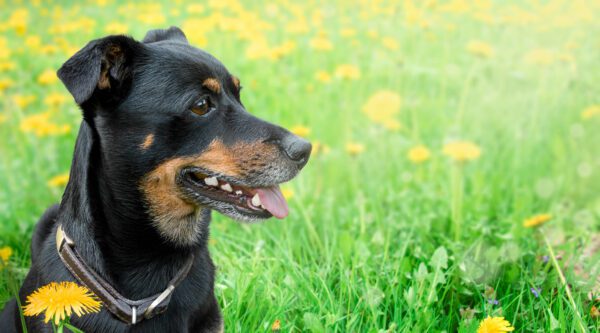
The German Pinscher is alert, athletic, and deeply loyal. This medium-sized working breed loves problem-solving and stays engaged when life feels active and meaningful. Many families choose the German Pinscher for a confident companion that bonds closely, protects the home with a steady bark, and thrives with daily structure.
Careful research matters before you adopt. The breed’s intelligence and drive are rewarding when you provide training, exercise, and clear rules every day. Adoption gives a deserving dog a second chance, and it also supports the lifesaving work of shelters and rescues. Wisconsin offers a strong fit for this breed when owners plan for the state’s seasons and lifestyle. Cold winters call for warm gear and shorter outdoor sessions, while humid summers favor early morning or evening exercise. Urban neighborhoods, suburban parks, lakeside paths, and rural trails across Wisconsin give a German Pinscher room to move when you manage energy with safe, leashed activity.
Adoption is often preferable to buying because you receive transparency about the dog’s health and behavior, and you help reduce overcrowding in shelters. A well-matched German Pinscher does best with an active household that enjoys brisk walks, puzzle games, and regular training. With planning for winter roads, seasonal gear, and year-round mental enrichment, this breed adapts well to Wisconsin living.
You can avoid searching rescues and shelters separately by browsing adoptable dogs through Dog Academy. You can also use Dog Academy guides and adoption checklists to prepare your home, your schedule, and your budget. Beyond centralized listings, you can explore local animal shelters, regional rescues, and breed-specific rescue groups that focus on matching energy level and temperament with the right home.
Start by reviewing listings and reading each profile in detail. Look for information about age, activity needs, social history, and medical notes. Submit an application that answers questions about your home, schedule, fencing, children, and other pets. Many groups request personal references and landlord approval for renters, and they appreciate clear, timely communication.
Next, you may complete a virtual or in-person home check. This step confirms that your space is safe and that you have secure storage for food and cleaning supplies. After approval, you can arrange a meet-and-greet. Bring high-value treats, ask the handler about daily routines, and observe how the dog responds to gentle guidance. Some groups offer a trial period that lets everyone confirm a good match under supervision.
Approval timelines vary by organization. Straightforward applications may move within a few days, while more complex placements can take 1 to 3 weeks. If the right German Pinscher is outside your area, rescues sometimes arrange transport between locations. Transport usually involves volunteer drivers or licensed carriers, organized schedules, and required health certificates to keep the dog safe.
|
How Much Does It Cost to Adopt a German Pinscher in Wisconsin?Most adopters in Wisconsin can expect an adoption fee of about $300 to $500 for a German Pinscher. The breed is less common in the region, which can place fees near the upper end as organizations recover medical and care expenses. Puppies often cost more than adults, and well-trained or already housebroken dogs may also be priced higher due to demand. Fees typically include spaying or neutering, vaccinations, microchipping, and veterinary exams. Costs also reflect age, training, medical care, and local demand. Plan for initial supplies like a crate, a bed, winter gear, and quality food, along with a license and a first veterinary visit to establish care with a local clinic. |
How Should I Train a German Pinscher?The German Pinscher is bright, fast-learning, and independent. Clear structure and positive reinforcement help channel that sharp mind. Use short, upbeat sessions that mix obedience, scent games, and impulse-control work. Reward calm behavior with food, toys, or praise, and keep criteria simple so the dog can succeed and stay motivated. Early socialization builds confidence with people, dogs, and new places. Common challenges include high prey drive, alert barking, and pushy adolescent behavior. Prevent bad habits by teaching reliable cues like sit, down, stay, come, and leave it. Practice loose-leash walking, polite greetings, and place training for household manners. Crate training supports rest and safety. If you want step-by-step guidance, explore Dog Academy’s online training courses, which cover obedience, impulse control, enrichment, and problem prevention in simple, practical lessons. |

|
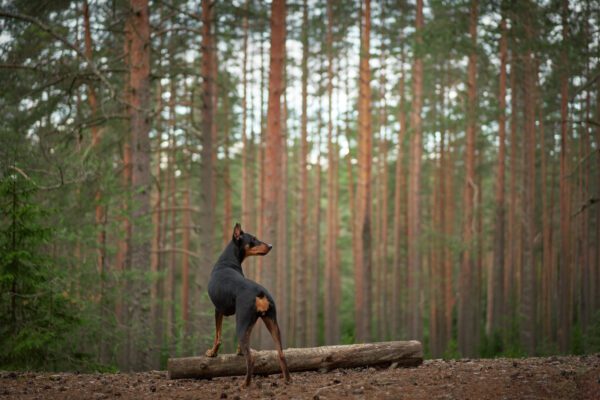
The ideal home provides daily exercise, patient leadership, and mental work. A German Pinscher thrives when owners enjoy training, commit to consistent routines, and manage energy with structured walks and games. Families with secure fencing and a taste for active outings often discover a loyal, spirited partner.
Preparation leads to the best match. Take time to learn about the breed, gather supplies, and plan for Wisconsin weather. Browse listings, ask thoughtful questions, and move at a pace that feels right. When you adopt a German Pinscher in Wisconsin with realistic expectations and steady care, you set the stage for a confident, happy life together.

Introducing a new puppy to your current dog is often an exciting process, and many dogs will become fast friends and eas...
Read More
Rescue dogs can make great companions and can transform your home into something better. These dogs make great pets and ...
Read More
You should never rush to pet a dog. Even dog owners make the mistake of approaching unfamiliar dogs and petting them rig...
Read More
Puppy mill dogs are survivors who have endured extreme hardships in their lives. They have grown up in horrendous, unsan...
Read More
With their wagging tails and comforting presence, adopting a dog can add a unique touch to your life. It’s a heart...
Read More
Older dogs may have a few gray hairs around the edges, but that doesn’t mean they can’t make wonderful companions! T...
Read More