































































































































Introducing a new puppy to your current dog is often an exciting process, and many dogs will become fast friends and eas...
Read MoreAdopt Me

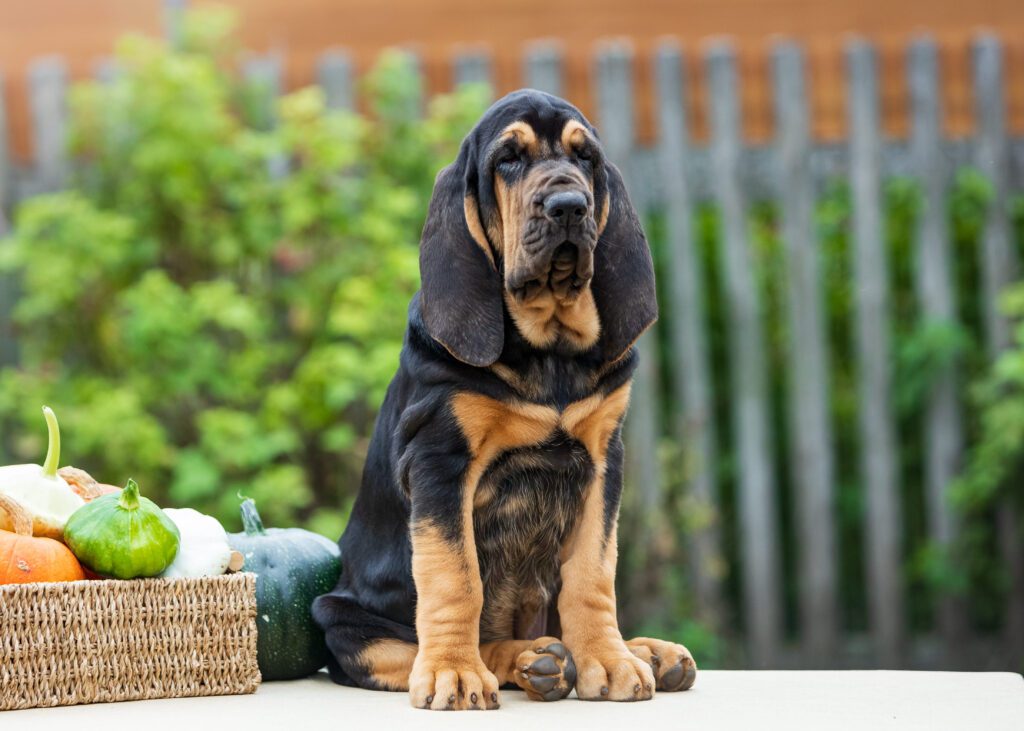
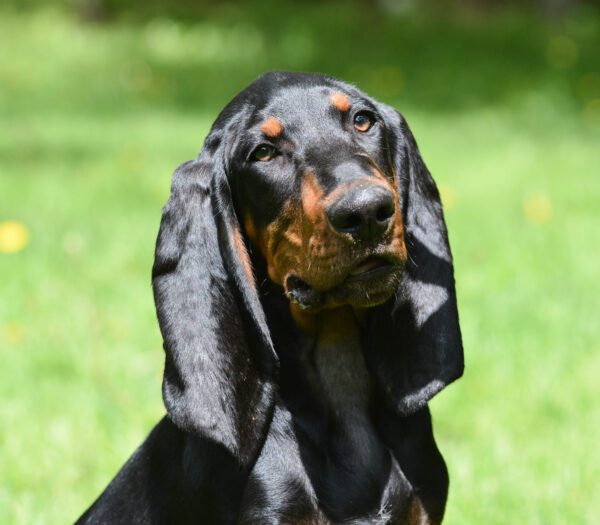
The Bloodhound is a gentle, affectionate, and determined scent expert that bonds deeply with family. This breed brings a calm presence indoors and a powerful nose outdoors. A Bloodhound thrives when given daily chances to sniff and solve scent puzzles. The breed’s loyalty, soft expression, and famous tracking ability make it a rewarding companion for a prepared adopter.
Thoughtful research ensures the right match and a smooth transition. Adoption lets you give a dog a second chance while benefiting from support and transparency about health and behavior. Many adoptable Bloodhounds already receive basic veterinary care and temperament evaluations, which helps new owners start on the right foot.
Wisconsin offers a strong fit for this breed. The cool climate suits the Bloodhound’s dense coat during fall and winter, although extreme cold still requires paw protection and limited time outdoors. Warm and humid summers call for shade, water, and rest breaks to prevent overheating. Forests, fields, and trails across Wisconsin create ideal sniffing routes, while urban neighborhoods call for structured walks, enrichment, and a secure fence to manage strong scent drive.
You can avoid searching rescues and shelters separately by browsing adoptable Bloodhounds through Dog Academy. Dog Academy gathers listings in one place and shares educational guides and adoption checklists that help you prepare with confidence.
Start locally with animal shelters, then expand to regional rescues and breed-specific rescue groups. Foster networks can also match you with a dog that fits your lifestyle. If you do not find a match nearby, you can consider out-of-area listings. Rescues sometimes arrange transport to move dogs between locations when a better home is available elsewhere.
The process usually begins by browsing listings and reading each dog’s profile for age, size, energy level, medical notes, and behavior observations. You then submit an application that includes references, proof of housing stability, and landlord approval when required. Most groups respond within 3 to 10 days depending on application volume.
Next steps often include a phone interview to discuss your routine, experience, and training plans. A meet-and-greet follows to ensure compatibility with family members and resident pets. Many organizations also conduct a home check, which may be virtual or in person, to confirm safe fencing, secure storage of food and medications, and a suitable space for rest. Final approval leads to an adoption contract, payment of the fee, and a pickup date.
When a dog is located farther away, transport is often arranged by rescues to move dogs between states or between rural and urban areas. Transport usually involves volunteer drivers or licensed carriers, clear travel schedules, and a health certificate from a veterinarian. Some groups coordinate pickup at designated meeting points to simplify logistics for adopters.
|
How Much Does It Cost to Adopt a Bloodhound in Wisconsin?In Wisconsin, the typical adoption fee for a Bloodhound ranges from $200 to $450 for adults and from $350 to $600 for puppies. Fees vary with age, training, medical care, and local demand. Puppies and highly adoptable young dogs usually cost more because they require more vaccinations and post-adoption support. Most fees cover spaying or neutering, vaccinations, microchipping, and veterinary exams. Many groups also include heartworm testing, parasite treatment, and a health certificate when transport is involved. Some adopters may see separate charges for transport or specialized medical treatment when those services exceed routine care. |
How Should I Train a Bloodhound?The Bloodhound is intelligent and sensitive, yet famously independent. A strong nose often outranks other priorities, which means training must be clear, consistent, and rewarding. Positive reinforcement works best, especially when you use high-value food, scent-based games, and short sessions that keep focus fresh. Common challenges include pulling on leash, distracted recall, and vocal baying when excited. Manage these tendencies with a well-fitted harness, long-line practice in safe areas, and daily nose work to meet the dog’s natural needs. Early socialization, calm crate training, and impulse control cues build manners that hold up in busy neighborhoods and on wooded trails. You can build reliable skills with Dog Academy’s online training courses. Step-by-step lessons cover loose-leash walking, recall foundations, scent games, crate training, and house manners. Self-paced modules and expert guidance help you stay consistent while you channel the Bloodhound’s drive into fun, structured activities. |

|
The ideal Wisconsin Bloodhound owner enjoys long daily walks, values scent-based enrichment, and maintains a safe yard with secure fencing. A good match includes someone who can handle a large dog, manage drool with humor, and train patiently with positive methods.
Preparation sets you and your dog up for success. Take time to research, gather supplies, and align your routine with the breed’s needs. Use Dog Academy’s adoption resources to move at a thoughtful pace, then welcome your new Bloodhound home when everything feels right.
Introducing a new puppy to your current dog is often an exciting process, and many dogs will become fast friends and eas...
Read More
Rescue dogs can make great companions and can transform your home into something better. These dogs make great pets and ...
Read More
You should never rush to pet a dog. Even dog owners make the mistake of approaching unfamiliar dogs and petting them rig...
Read More
Puppy mill dogs are survivors who have endured extreme hardships in their lives. They have grown up in horrendous, unsan...
Read More
With their wagging tails and comforting presence, adopting a dog can add a unique touch to your life. It’s a heart...
Read More
Older dogs may have a few gray hairs around the edges, but that doesn’t mean they can’t make wonderful companions! T...
Read More