


























































































































































































Introducing a new puppy to your current dog is often an exciting process, and many dogs will become fast friends and eas...
Read MoreAdopt Me

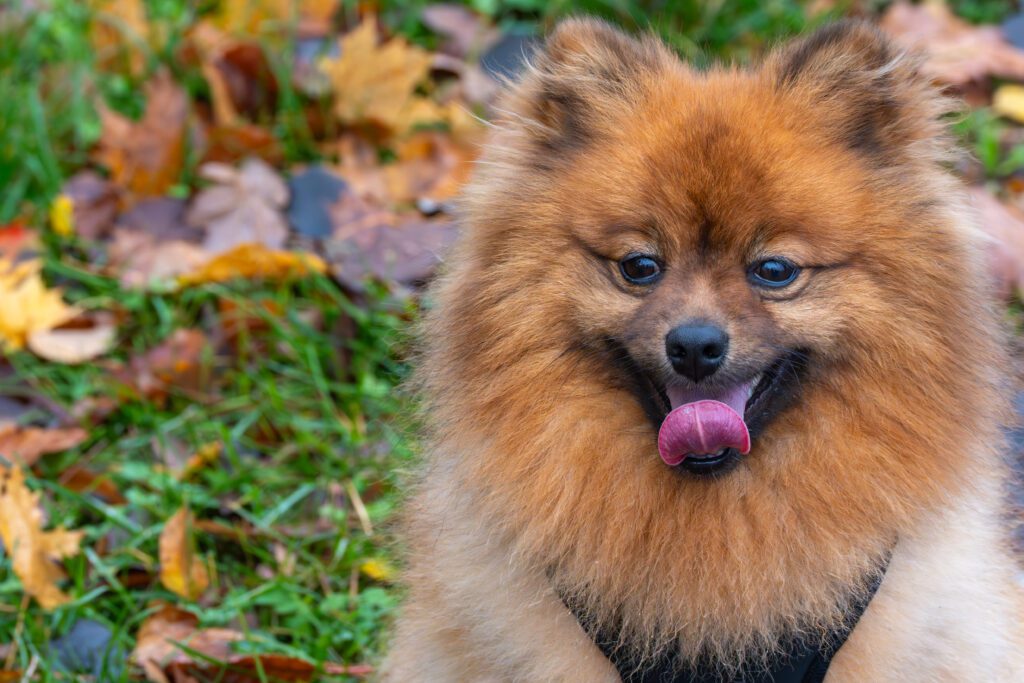
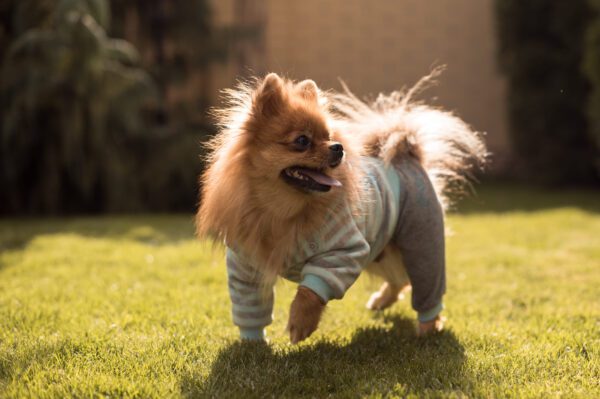
The German Spitz is bright, lively, and deeply devoted. This alert companion enjoys learning new skills, bonding closely with family, and joining in on daily routines. The plush double coat and fox-like expression give the breed timeless appeal, while the cheerful temperament makes the German Spitz a spirited yet affectionate choice for active households.
Thoughtful research matters before you adopt. Understanding grooming needs, exercise requirements, and the breed’s tendency to vocalize helps you prepare a calm, structured home. Adoption is a rewarding path because it gives a dog a second chance while supporting responsible care within your community.
Wisconsin’s climate suits the German Spitz, especially during long, cold winters. The dense double coat provides insulation in snow and wind, which makes winter walks enjoyable with proper paw care. Humid summers require shade, water, and shorter midday outings. The state’s mix of city apartments and rural properties can fit this breed well. Apartments work when you provide daily mental stimulation and teach quiet cues. Suburban and rural areas offer space for training games and brisk walks, which help channel energy in a positive way.
You can skip searching local animal shelters and breed-specific rescue groups one by one by starting with Dog Academy. Dog Academy offers adoption listings that gather opportunities in one place, along with educational guides and step-by-step adoption checklists. You can browse current profiles, compare needs and personalities, and save time while staying organized.
Adoptable German Spitz dogs appear through local animal shelters, regional rescues, and breed-focused groups. Availability varies in Wisconsin because this breed is less common than many others. Be open to mixes with similar traits and be willing to travel within the region. Some rescues arrange transport to move dogs between locations. Transport is often organized to move dogs between states using volunteer drivers or professional carriers, and adopters meet at a designated pickup point or receive the dog at a local facility.
The process usually begins by browsing listings, reading bios carefully, and submitting an application. Applications often ask about schedule, housing, fencing, and training plans. Many groups verify landlord approval for renters and request personal or veterinary references. A coordinator reviews your application and may schedule a phone interview to confirm fit. Timelines vary, and many approvals take 1 to 3 weeks based on volume and the dog’s readiness.
Next comes a meet-and-greet to confirm compatibility. Families with other pets should request a safe, neutral introduction. Many groups also perform a home check, which can be virtual or in person, to confirm safe containment and appropriate supplies. Final steps include signing an adoption contract, paying the fee, scheduling pickup or transport, and arranging a first veterinary appointment. Bring a secure crate, a properly fitted harness, an ID tag, and a collar on pickup day to ensure a calm, safe ride home.

|
How Much Does It Cost to Adopt a German Spitz in Wisconsin?Most adopters in Wisconsin pay around $200 to $450 to adopt a German Spitz or a close mix. Fees vary by age, training, recent medical care, and local demand. Puppies often cost more because they require starter vaccines and extra care, while seniors may cost slightly less but sometimes need dental work or ongoing medication that the adopter covers after placement. Adoption fees typically include spaying or neutering, vaccinations, microchipping, and veterinary exams. Some groups also provide deworming and a starter bag of food. Budget for essentials that are not covered by the fee, such as a crate, a harness and leash, grooming tools, training treats, and a first wellness visit with your veterinarian. If transport is used, expect a separate transport contribution, which helps cover fuel and handling. |
How Should I Train a German Spitz?The German Spitz is intelligent, observant, and eager to work for rewards. Short, upbeat sessions bring out the best in this quick learner. Use high-value treats and clear marker words to reinforce desired behaviors. Focus on core skills like name recognition, sit, down, settle on a mat, recall, and loose-leash walking. Add daily brain work through scent games and puzzle feeding to keep the mind engaged. This breed often alerts to sounds and movement. Teach a quiet cue, reinforce calm on a window mat, and reward check-ins when distractions appear. Early, positive socialization reduces wariness toward strangers and teaches polite manners in public. Introduce grooming slowly and reward brushing, which helps maintain the double coat and manage seasonal shedding. Crate training supports safe travel and gives the dog a restful den. If you want structured guidance, explore Dog Academy’s online training courses. Lessons cover foundations, impulse control, reliable recall, and solutions for barking and overexcitement. Step-by-step videos and practice plans help you stay consistent, which builds confidence in sensitive or vocal dogs. |
|
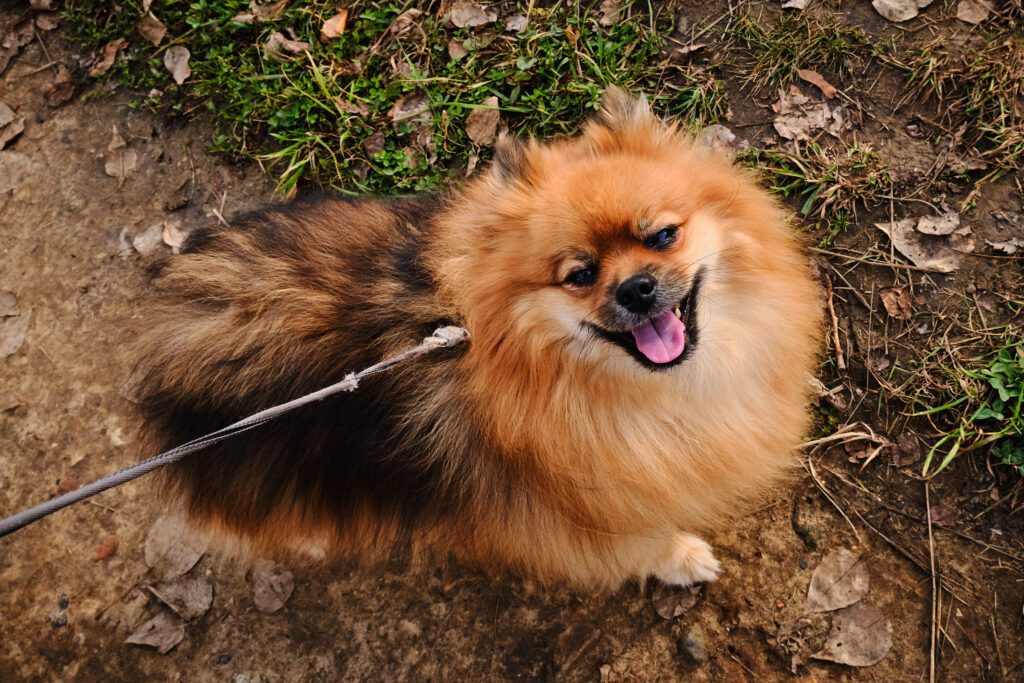
The ideal adopter enjoys daily interaction, fair boundaries, and consistent training. The German Spitz thrives with people who provide mental exercise and patient guidance. Families in Wisconsin who appreciate brisk walks in cool weather and cozy evenings indoors will find this companion loyal and entertaining.
Prepare before you bring your dog home. Gather supplies, set a routine, and schedule that first veterinary check. Take time to ask questions, read training guides, and review adoption checklists. When you move at a steady pace and choose a dog whose needs match your lifestyle, you set the stage for a happy, lifelong bond with a wonderful German Spitz in Wisconsin.

Introducing a new puppy to your current dog is often an exciting process, and many dogs will become fast friends and eas...
Read More
Rescue dogs can make great companions and can transform your home into something better. These dogs make great pets and ...
Read More
You should never rush to pet a dog. Even dog owners make the mistake of approaching unfamiliar dogs and petting them rig...
Read More
Puppy mill dogs are survivors who have endured extreme hardships in their lives. They have grown up in horrendous, unsan...
Read More
With their wagging tails and comforting presence, adopting a dog can add a unique touch to your life. It’s a heart...
Read More
Older dogs may have a few gray hairs around the edges, but that doesn’t mean they can’t make wonderful companions! T...
Read More