

























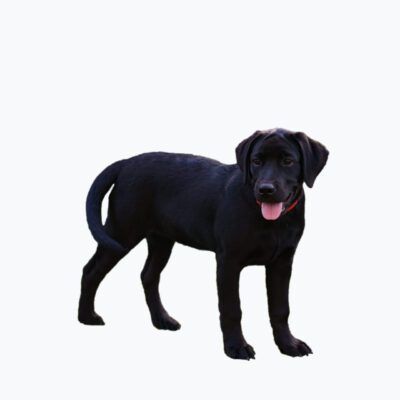































































































































































Introducing a new puppy to your current dog is often an exciting process, and many dogs will become fast friends and eas...
Read More
How to Introduce a New Puppy to Your Dog
The Bolognese Dog is a devoted companion with a gentle spirit and a cheerful outlook. This small, low-shedding breed forms close bonds and thrives on calm routines and soft attention. A Bolognese fits well with families, retirees, and remote workers who want a cuddly housemate that enjoys short play sessions and quiet naps at home.
Research matters before you adopt. Learn about grooming needs, exercise habits, and temperament so you match your daily life with a dog that will feel secure and happy. Adoption is a responsible choice because it opens space for another animal in need and supports the care that rescues and shelters provide. Adopting a Bolognese Dog in Wisconsin can be a great fit because the breed enjoys indoor living, yet you should prepare for cold winters and humid summers. Wisconsin’s long winters call for warm coats and careful paw care, while summer heat and insects call for shaded walks and effective parasite prevention. Urban apartments and rural homes both work well as long as the dog gets daily walks, mental stimulation, and steady companionship.
You can avoid searching shelters and rescues one by one by starting with Dog Academy. You can browse adoptable listings in one place, read breed overviews, and use educational guides and adoption checklists to prepare your home. You can also look through local animal shelters, regional rescues, and breed-specific rescue groups that focus on small companion dogs. Bolognese Dogs are uncommon, so you may need patience and may benefit from widening your search to nearby states.
The process usually begins with browsing listings and submitting an adoption application. Applications often ask about your schedule, home setup, experience, and any resident pets. Many groups verify landlord approval when you rent, and they request personal or veterinary references to confirm that you can meet the dog’s needs. Clear and detailed answers help reviewers match you with a dog whose energy level and temperament align with your lifestyle.
When your application moves forward, you can expect a phone interview and a meet-and-greet. Meet-and-greets may happen at a shelter, a foster home, or a neutral public space. Some groups also perform a home check to confirm safe fencing, secure storage for household hazards, and a quiet area where the dog can decompress. Approval timelines vary, but many adoptions in Wisconsin move from application to decision in 1 to 3 weeks. If the best match lives outside your area, transport is sometimes arranged by rescues to move dogs between locations. Transport typically involves coordinated drivers or a professional pet transport service, and adopters may be asked to meet at a central pickup point.
After approval, you will sign an adoption agreement that explains medical history, spay or neuter status, and care expectations. You will pay the fee and receive records, then you will bring your dog home with clear instructions for a smooth transition. A slow introduction to family members and pets sets up a calm first week and reduces stress for the dog.
Expect adoption fees for a Bolognese Dog in Wisconsin to fall around $300 to $600. This narrow estimate reflects the breed’s rarity, the typical costs carried by rescues in the region, and the higher demand for small, low-shedding companion dogs. Adults usually sit at the lower end of the range, while puppies or dogs with recent training and extensive veterinary care usually sit at the higher end.
Fees often include spaying or neutering, vaccinations, microchipping, and veterinary exams. Costs shift based on age, training history, medical needs, and demand. Some groups add modest fees to offset transport or specialized care when the dog arrives from another area. Budget for supplies such as a crate, a harness, a leash, high quality food, grooming tools, and bedding, since these items are not included in most fees.
The Bolognese is bright, people oriented, and eager to please. Positive reinforcement builds trust and speeds learning. Use short sessions that pair clear cues with treats or play, and end each session while your dog still feels engaged. Consistency helps this sensitive breed, and a predictable routine reduces nervous behaviors.
Common challenges include house training, demand barking, and clinginess that can grow into separation anxiety. You can prevent problems by rewarding quiet moments, teaching calm settling on a mat, and building independent time in small steps. Socialize with friendly dogs and polite people, and practice gentle handling for brushing and nail care. Crate training and puzzle toys add structure and mental exercise, which reduces stress and boredom.
For expert support, explore Dog Academy’s online training courses. You can follow step-by-step lessons for manners, loose leash walking, crate training, and confidence building that suit a sensitive companion breed.
The ideal owner for a Bolognese Dog enjoys close companionship, gentle play, and daily grooming. A steady schedule, patient training, and soft communication help this breed feel safe. The dog will reward your effort with affection, loyalty, and quiet charm.
Prepare your home, set realistic timelines, and keep an open mind about age and personality. Take your time, ask questions, and use trusted resources as you plan. When you are ready to adopt a Bolognese Dog in Wisconsin, you can begin with Dog Academy and move forward with confidence.
Introducing a new puppy to your current dog is often an exciting process, and many dogs will become fast friends and eas...
Read More
Rescue dogs can make great companions and can transform your home into something better. These dogs make great pets and ...
Read More
You should never rush to pet a dog. Even dog owners make the mistake of approaching unfamiliar dogs and petting them rig...
Read More
Puppy mill dogs are survivors who have endured extreme hardships in their lives. They have grown up in horrendous, unsan...
Read More
With their wagging tails and comforting presence, adopting a dog can add a unique touch to your life. It’s a heart...
Read More
Older dogs may have a few gray hairs around the edges, but that doesn’t mean they can’t make wonderful companions! T...
Read More