






















































































































































































Introducing a new puppy to your current dog is often an exciting process, and many dogs will become fast friends and eas...
Read MoreAdopt Me

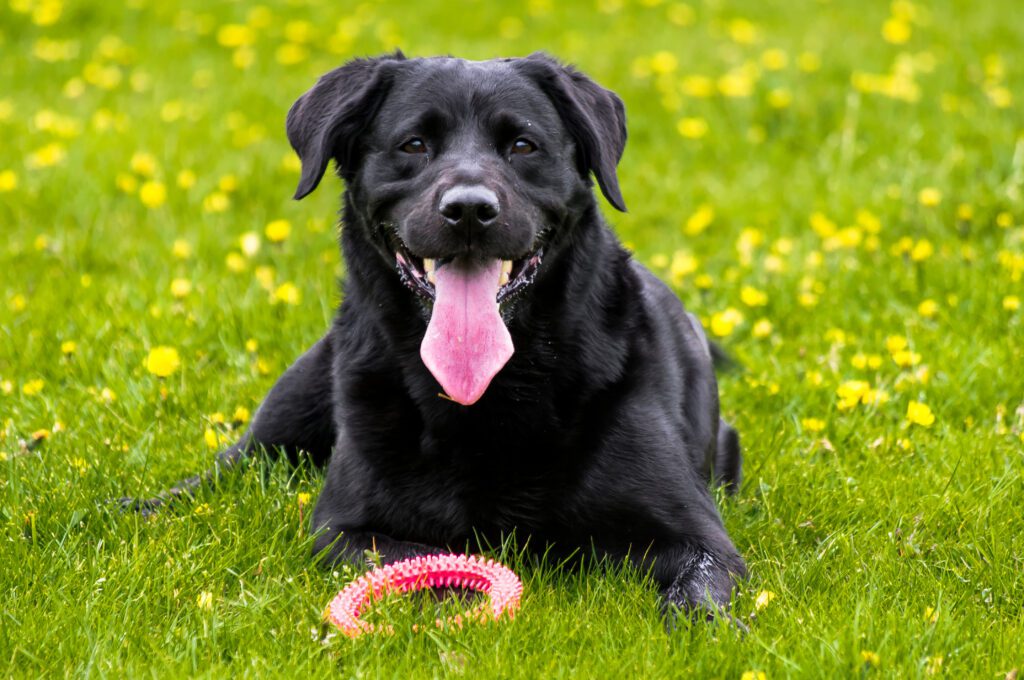

Friendly, eager, and athletic, Black Labs are beloved family companions that thrive when they have a job to do and people to please. They are smart, social, and steady with proper training. Their love of retrieving and water makes them a natural fit for active households that enjoy time outdoors.
Research matters before you adopt a Black Lab in Wisconsin. This breed needs daily exercise, consistent training, and meaningful mental enrichment. Adoption gives a dog a second chance and often includes valuable veterinary care at a lower upfront cost than buying. Wisconsin’s cold winters suit the Lab’s dense double coat, while the state’s lakes and trails offer excellent outlets for swimming and hiking. Warm, humid summers require extra care because a black coat can absorb heat, so plan shade, water, and rest. Rural properties make exercise easy, while city living works with structured walks and training.
Choosing adoption helps reduce demand for commercial breeding and supports humane care. Many adoptable Black Labs already have known histories from foster homes, which helps you match energy level, manners, and compatibility with children or other pets. With the right preparation, a rescue Lab can settle quickly and become a loyal partner.
You can avoid searching shelters and rescues one by one by browsing listings on Dog Academy. You can filter by location, age, and size to find a strong match, and you can use Dog Academy’s educational guides and adoption checklists to prepare your home and your schedule.
Adoptable Black Labs appear in local animal shelters, regional rescues, and breed-specific rescue groups. Some dogs live in foster homes, which allows the caretakers to share detailed notes on house manners, energy, and social skills. Check listings across the state, since availability changes quickly.
Start by reading each dog’s profile carefully, including notes on energy, training, and medical needs. Submit an application that explains your household, routine, and experience. Many groups ask for references, veterinary history for current pets, and landlord approval if you rent. Clear, complete answers help volunteers place dogs safely and speed up review.
Approved applicants attend a meet-and-greet. Bring all household members and any resident dogs so everyone can interact calmly and safely. Many groups schedule a home check, which can be virtual or in person, to confirm secure fencing, safe storage for food and chemicals, and a quiet setup for decompression. Timelines vary by organization, but same-week placements are common at shelters, and 1 to 3 weeks is typical for rescues that rely on volunteers. Responsive communication and flexible scheduling help the process move faster.
Some rescues arrange transport to move dogs between locations when demand differs. Transport means a coordinated trip by volunteers or partner groups that brings a dog from one shelter or foster home to another region. Transport may include a health certificate, a planned pickup point, and a small fee, and it can add a few days to the adoption timeline.
|
How Much Does It Cost to Adopt a Black Lab in Wisconsin?In Wisconsin, adopting a Black Lab typically costs $250 to $450 for most adults and $300 to $550 for puppies. Senior dogs often range from $100 to $250. Fees reflect services already completed, which commonly include spaying or neutering, vaccinations, microchipping, and veterinary exams. Heartworm testing, deworming, and preventive medications may also be included. Age, training, medical care, and demand all influence price. Puppies cost more due to higher demand and recent veterinary work. Adults with basic training or proven family-friendly histories can sit near the top of the range. Dogs that needed advanced medical care, including dental work or heartworm treatment, can cost more to offset expenses. Rural groups may charge slightly less than urban groups due to overhead differences. |
How Should I Train a Black Lab?Black Labs are intelligent, motivated, and highly trainable when you use positive reinforcement. Reward desired behavior with treats, toys, and praise, and keep sessions short and upbeat. Clear cues and consistent timing help a Lab understand exactly which behavior earns the reward. Start early to build good habits before enthusiasm turns into jumping or mouthing. Focus on impulse control, loose-leash walking, reliable recall, polite greetings, and a solid settle cue. Provide daily mental enrichment through food puzzles, scent games, and short retrieval sessions that end before the dog gets overstimulated. Crate training and calm alone-time practice reduce the risk of separation distress. If you want step-by-step guidance, enroll in Dog Academy’s online training courses to build skills at your pace with proven methods. |

|
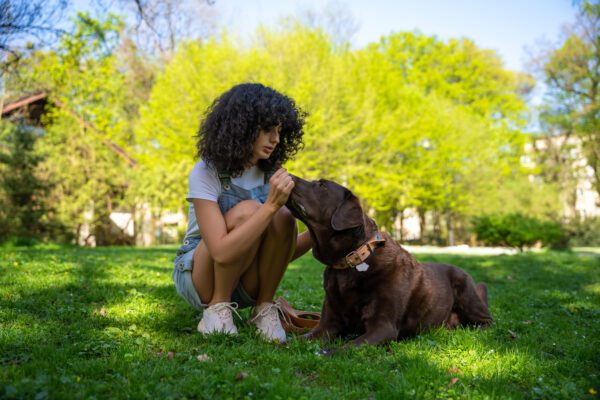
The ideal adopter enjoys daily activity, plans time for training, and provides patient structure. A yard is helpful but not required when you commit to consistent walks and enrichment. Families, first-time adopters with support, and outdoor enthusiasts all do well when they keep expectations realistic and routines consistent.
Prepare your home, set a budget for supplies and preventive care, and decide on a daily schedule before you bring your dog home. Take your time, ask thoughtful questions, and use Dog Academy resources to make a confident choice. With careful research and steady training, you can adopt a Black Lab in Wisconsin and welcome a loyal companion for years to come.

Introducing a new puppy to your current dog is often an exciting process, and many dogs will become fast friends and eas...
Read More
Rescue dogs can make great companions and can transform your home into something better. These dogs make great pets and ...
Read More
You should never rush to pet a dog. Even dog owners make the mistake of approaching unfamiliar dogs and petting them rig...
Read More
Puppy mill dogs are survivors who have endured extreme hardships in their lives. They have grown up in horrendous, unsan...
Read More
With their wagging tails and comforting presence, adopting a dog can add a unique touch to your life. It’s a heart...
Read More
Older dogs may have a few gray hairs around the edges, but that doesn’t mean they can’t make wonderful companions! T...
Read More