




























































































































































































Introducing a new puppy to your current dog is often an exciting process, and many dogs will become fast friends and eas...
Read MoreAdopt Me




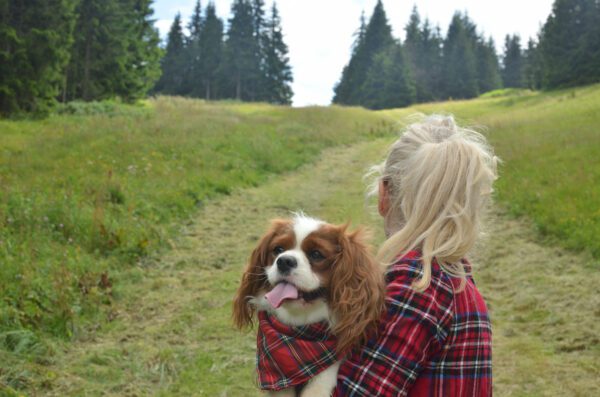
The Cavalier King Charles Spaniel is a gentle, affectionate companion that stays close to the people it loves. This breed enjoys cuddling on the couch, greeting visitors with warmth, and joining family activities. Cavaliers adapt well to apartments and houses because they have moderate energy and a friendly temperament. Careful research before adoption helps you match a dog’s needs with your lifestyle and budget. Adoption gives a dog a second chance and often includes essential veterinary care at a lower total cost than buying from a seller.
Wisconsin offers a comfortable home for Cavaliers when owners plan for the seasons. Cold winters call for a warm dog coat, limited time on icy sidewalks, and careful paw care after walks. Summers bring humidity that requires shade, cool water, and indoor rest during the hottest hours. Urban neighborhoods, suburban trails, and lakeside paths all suit this breed when walks stay moderate and consistent. A Cavalier thrives when it lives indoors with its family and enjoys short daily outings across Wisconsin’s varied terrain.
You can skip hunting through separate rescues and shelters by browsing adoptable Cavaliers in one place on Dog Academy. The adoption listings show dogs from shelters and rescue groups across Wisconsin and nearby states. You can learn what to expect with clear descriptions and guidance. You can also use Dog Academy’s educational guides and adoption checklists to prepare your home and plan your first weeks with a new dog.
Adoptable Cavaliers appear through local animal shelters, regional rescues, and breed-specific rescue groups. The typical process starts with browsing listings, reading each dog’s biography, and confirming that the dog’s energy level and medical needs fit your routine. You then complete an application that asks about your schedule, experience, home setup, and other pets. Many groups request personal references, a landlord letter if you rent, and a veterinary reference for current animals. After application review, you schedule a meet-and-greet to evaluate fit. Some groups conduct a home check in person or by video to confirm safety, fencing, and indoor space. Approval timelines often run 1 to 3 weeks based on the dog, your readiness, and the group’s volume.
Rescues may arrange transport between locations when a suitable adopter lives outside the immediate area. Transport is a coordinated system that moves dogs safely from one shelter or foster home to another location using volunteers or licensed carriers. The rescue provides the schedule and meeting point, and adopters receive arrival updates, care instructions, and contact information for follow-up questions. Throughout the process, ask specific questions about temperament, exercise needs, grooming history, and any known health concerns such as heart murmurs or ear infections. A clear conversation helps you set realistic expectations and prepare the right supplies on day one.

|
How Much Does It Cost to Adopt a Cavalier King Charles Spaniel in Wisconsin?Most Wisconsin adopters can expect to pay between $300 and $650 to adopt a Cavalier King Charles Spaniel. Adults often fall near $300 to $450, while puppies or young dogs with high demand often range from $450 to $650. Fees vary with age, training, medical care, and regional demand. Many groups include core services in the fee. Typical inclusions are spaying or neutering, vaccinations, microchipping, and veterinary exams. Some dogs also receive heartworm testing and dental cleanings when needed. You should budget additional funds for supplies, quality food, routine grooming, and early training support. |
How Should I Train a Cavalier King Charles Spaniel?Cavaliers are intelligent, people-focused, and eager to please, which makes training enjoyable and efficient. Positive reinforcement works best. Rewards such as soft treats, gentle praise, and short play sessions keep this sensitive breed engaged. Early socialization helps the dog feel confident with new sounds, surfaces, and friendly strangers. Focus on house training, crate training, and calm-alone practice to reduce the risk of separation stress. Keep sessions short and upbeat so the dog stays curious and motivated. Many Cavaliers love to follow their noses and watch birds or squirrels, which can disrupt recall and loose-leash skills. Build strong foundations with name recognition, hand-targeting, and frequent rewards for checking in. Teach polite greetings to manage excitement around guests. Add daily mental enrichment through food puzzles and simple scent games to prevent boredom. For step-by-step guidance you can use Dog Academy’s online training courses, which cover manners, leash walking, recall, and confidence-building at a pace that suits both new and experienced owners. |

|
The ideal owner enjoys close companionship, daily short walks, and quiet time at home. Families, retirees, and remote workers often suit this affectionate breed when they plan regular grooming and routine veterinary care. Take time to research, ask detailed questions, and meet more than one dog if needed. When you feel ready, explore current listings on Dog Academy and start your journey with a thoughtful plan that sets your Cavalier up for a happy Wisconsin life.

Introducing a new puppy to your current dog is often an exciting process, and many dogs will become fast friends and eas...
Read More
Rescue dogs can make great companions and can transform your home into something better. These dogs make great pets and ...
Read More
You should never rush to pet a dog. Even dog owners make the mistake of approaching unfamiliar dogs and petting them rig...
Read More
Puppy mill dogs are survivors who have endured extreme hardships in their lives. They have grown up in horrendous, unsan...
Read More
With their wagging tails and comforting presence, adopting a dog can add a unique touch to your life. It’s a heart...
Read More
Older dogs may have a few gray hairs around the edges, but that doesn’t mean they can’t make wonderful companions! T...
Read More