


























































































































































































Introducing a new puppy to your current dog is often an exciting process, and many dogs will become fast friends and eas...
Read MoreAdopt Me

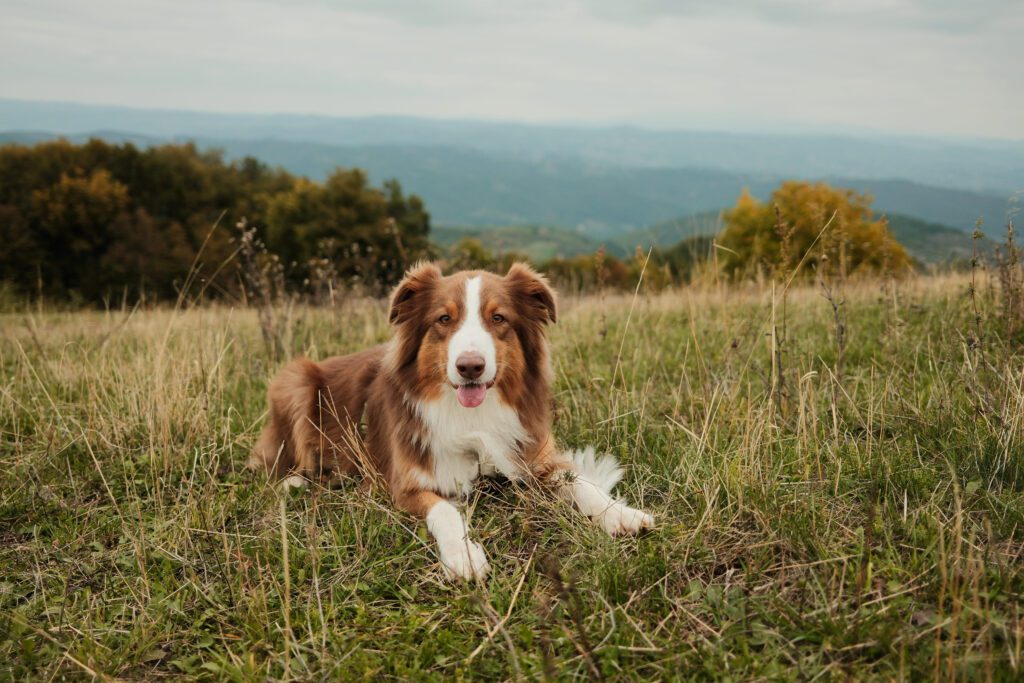
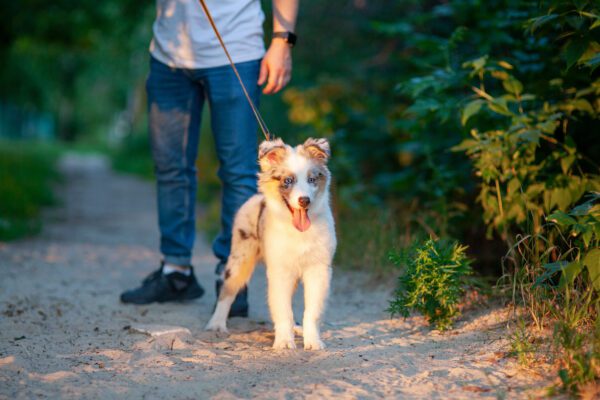
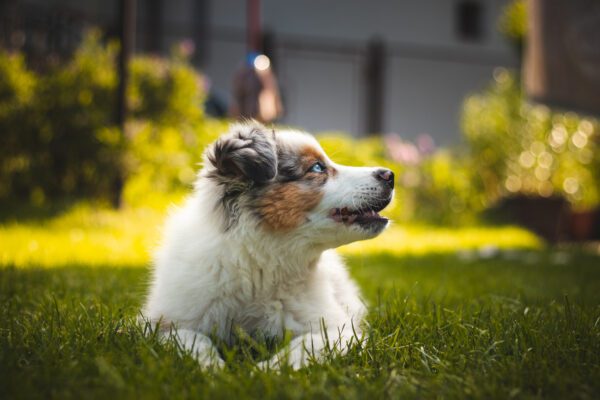
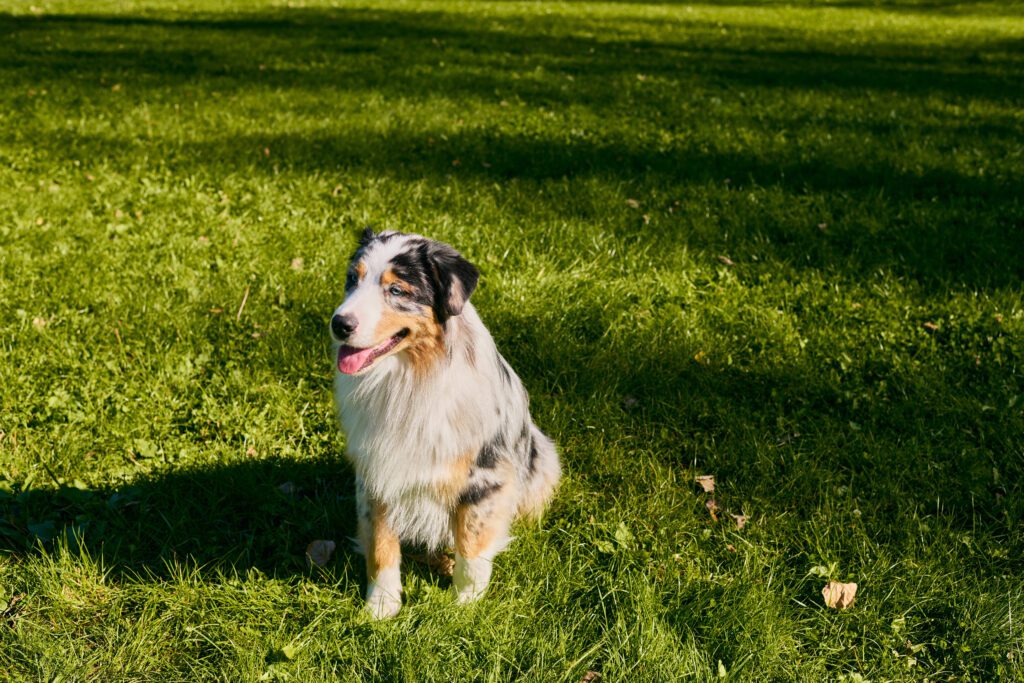
Toy Australian Shepherds, often called Toy Aussies, are bright, athletic, and deeply devoted. They love learning new skills, staying close to their people, and joining every family activity. Their small size fits modern life, yet their working-dog heart craves daily exercise and mental challenges. Careful research helps you match your lifestyle to this energetic and sensitive breed, which protects both your time and your future dog’s wellbeing.
Adoption is a thoughtful way to welcome a Toy Aussie. You give a deserving dog a stable home while supporting ethical practices and responsible care. Many Toy Aussies enter rescue due to mismatched energy levels or training gaps rather than behavior problems. With patience and structure, these dogs settle into family routines and thrive.
Wisconsin’s four-season climate suits a Toy Aussie’s weather-resistant coat, though winter requires care. Short, brisk walks, warm layers, and paw protection help during icy months. Summers invite hikes on shaded trails and play around lakes, though heat breaks and clean water remain essential. City apartments work well if you commit to daily walks and training games. Suburban yards and rural spaces offer room to run, but safe fencing and supervision are still important because Toy Aussies can chase wildlife and bicycles.
You can avoid searching separate shelter and rescue sites by starting with Dog Academy. Browse Toy Aussie adoption listings in one place, filter by age and location, and learn what each dog needs before you apply. Dog Academy also shares educational guides and adoption checklists so you can prepare your home, supplies, and schedule with confidence.
In Wisconsin, adoptable Toy Aussies appear through local animal shelters, regional rescues, and breed-specific rescue groups. Listings usually include age, size, medical notes, energy level, and home preferences. Read these details closely. Toy Aussies often need daily exercise, enrichment games, and patient socialization. A clear understanding of their herding instincts, sensitivity to noise, and need for routine will help you choose the right dog.
The application process is straightforward. First, browse listings and submit an application that outlines your home setup, prior dog experience, daily schedule, and veterinary references. Many groups ask for landlord approval if you rent and may request proof of secure fencing or a plan for safe leash walks. Next, you will schedule a meet-and-greet, which often includes resident dogs and family members to confirm a good match. Some organizations conduct a home check in person or by video to ensure safe spaces, proper containment, and a plan for exercise and rest. Approval timelines vary, though many decisions arrive within 1 to 3 weeks after your application and interviews are complete.
If you find a great match outside your immediate area, ask about transport options. Transport is often arranged by rescues to move dogs between states or across Wisconsin. These programs coordinate volunteer drivers or licensed carriers, confirm health certificates when required, and set travel dates that prioritize safety and low stress. You typically finalize adoption paperwork and fees before transport is scheduled.
|
How Much Does It Cost to Adopt a Toy Aussie in Wisconsin?Most adopters in Wisconsin can expect to pay $200 to $450 to adopt a Toy Aussie. Puppies and highly social adults may be at the higher end due to demand, while seniors or dogs with ongoing medical needs may be lower when organizations provide support. Fees reflect the care already provided, including spaying or neutering, vaccinations, microchipping, and veterinary exams. Costs may increase when dogs receive dental cleanings, specialized surgeries, or professional training before adoption. Age, training, medical history, and current demand influence final fees. Well-mannered dogs with recent preventive care and strong house manners often cost more because they are ready to settle in quickly. Dogs who need extended medical treatment or behavior support may have adjusted fees that help cover essential services while encouraging the right adopter to step forward. |
How Should I Train a Toy Aussie?Toy Aussies are quick learners who love to work with their people. They respond best to positive reinforcement, clear structure, and short, daily training sessions. Use rewards like soft treats, praise, and play to build focus and confidence. Begin with foundation cues such as sit, down, come, stay, and leash walking. Add impulse control games and puzzle toys to channel their sharp minds. Consistency helps prevent common issues like nipping at heels, excessive barking, or chasing movement. Early socialization is essential. Introduce new places, calm dogs, friendly people, and varied surfaces at a pace your dog can handle. Teach calm greetings and reinforce quiet behavior to reduce reactivity. Many Toy Aussies excel in sports like agility and rally because they love problem solving and teamwork. If you want a structured plan, explore Dog Academy’s online training courses. Step-by-step lessons make it easy to build reliable obedience, boost impulse control, and create daily routines that keep your Toy Aussie balanced and happy. |
|
The ideal home for a Toy Aussie includes an owner who enjoys daily walks, training games, and quality time. Families, active singles, and retirees all succeed when they provide structure, mental enrichment, and affection. Prepare your home with safe confinement areas, chew options, and a clear schedule for exercise and rest. Gather records, confirm veterinary care, and plan time off for your new dog’s first week.
Adoption is a big decision that rewards patience. Take time to read listings carefully, ask questions, and meet dogs with an open mind. When you understand the breed and plan for consistent training, you set the stage for a smooth transition and a lifelong bond with a Toy Aussie in Wisconsin.

Introducing a new puppy to your current dog is often an exciting process, and many dogs will become fast friends and eas...
Read More
Rescue dogs can make great companions and can transform your home into something better. These dogs make great pets and ...
Read More
You should never rush to pet a dog. Even dog owners make the mistake of approaching unfamiliar dogs and petting them rig...
Read More
Puppy mill dogs are survivors who have endured extreme hardships in their lives. They have grown up in horrendous, unsan...
Read More
With their wagging tails and comforting presence, adopting a dog can add a unique touch to your life. It’s a heart...
Read More
Older dogs may have a few gray hairs around the edges, but that doesn’t mean they can’t make wonderful companions! T...
Read More