












































































































































Introducing a new puppy to your current dog is often an exciting process, and many dogs will become fast friends and eas...
Read MoreAdopt Me

Dahlia $500 (Teeny Beanie)
West Milwaukee, WI
Breed: Chihuahua
Sex: Female
Age: 2 yrs 4 mos
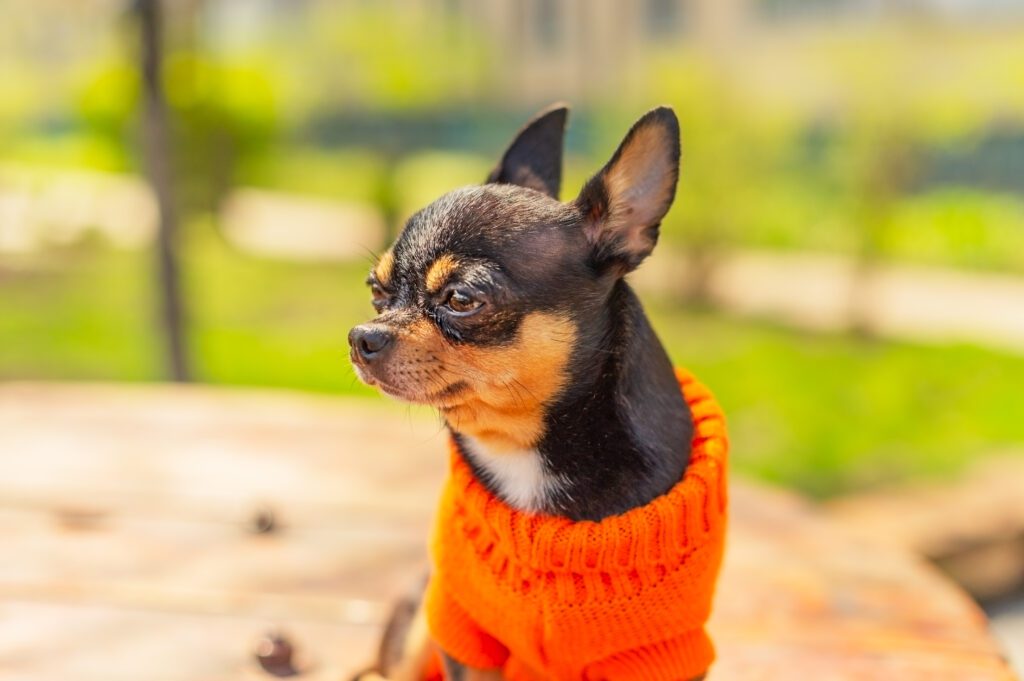



The Apple Head Chihuahua is tiny, bright, and devoted. This compact companion bonds closely with a favorite person, enjoys short bursts of play, and relaxes happily on a warm lap. The rounded “apple” skull and expressive eyes give the breed a signature look that many people love. If you plan to adopt a Apple Head Chihuahua in Wisconsin, careful research will help you match energy level, temperament, and care needs to your daily life.
Adoption is a kind choice that provides a dog with a second chance and supports responsible animal welfare. Taking time to learn about health, grooming, and training before you bring a dog home reduces stress for everyone. Wisconsin offers many comforts for small dogs, yet the state’s long, cold winters can be challenging. Apple Head Chihuahuas have thin coats and low body fat, so they need warm layers, brief outdoor breaks in icy weather, and safe indoor exercise. Summer humidity can also feel intense for a small dog, so shade and water matter every day.
Chihuahuas thrive in apartments and small homes, which makes Wisconsin’s cities and towns a good fit. Rural areas work well too when owners supervise outdoor time and protect small dogs from wildlife and extreme temperatures. The breed suits patient adults, seniors, and families with gentle, dog-savvy children. Consistent routines and kind training keep this alert little dog confident and calm.
You can find adoptable Apple Head Chihuahuas through local animal shelters, regional rescues, and breed-specific rescue groups. You can avoid searching each source separately by using the listings on Dog Academy, which gather adoptable dogs from multiple locations in one place. Dog Academy also shares educational guides and practical adoption checklists, which help you prepare your home and supplies before your dog arrives.
The process usually starts with browsing listings and reading full bios. Pay attention to age, energy level, medical history, and behavior notes so you can match the dog to your lifestyle. The next step is an application that collects details about your household, schedule, and experience. Many groups request personal references, landlord permission when you rent, and a veterinarian contact if you already have pets.
Approved applicants are invited to a meet-and-greet. This visit confirms that the dog feels comfortable with you and any resident pets. Small-dog safety matters during introductions, so bring a secure harness and handle the dog gently. A home check often follows, which can be virtual or in person. The goal is to confirm that the space is safe for a tiny dog, with blocked gaps under furniture, covered heating vents, and secure fencing.
Approval timelines vary based on response speed and availability, though many Wisconsin adoptions finalize in 1 to 3 weeks. If the right dog is outside your immediate area, some rescues arrange transport to move dogs between locations. Transport is often coordinated by volunteers or professional carriers, and the group explains routes, schedules, and any added fees in advance. Winter weather can affect travel in Wisconsin, so plans may adjust for safety.
|
How Much Does It Cost to Adopt a Apple Head Chihuahua in Wisconsin?In Wisconsin, adoption fees for an Apple Head Chihuahua typically range from $200 to $450 for most adults. Puppies and young adolescents often range from $300 to $550 due to higher demand and recent care. Fees usually reflect spaying or neutering, vaccinations, microchipping, and veterinary exams. Costs can rise when dogs receive dental cleanings, advanced diagnostics, or training before adoption. Age, medical history, and the level of interest in small companion breeds also influence final pricing. |
How Should I Train a Apple Head Chihuahua?Apple Head Chihuahuas are intelligent, food motivated, and sensitive. The breed learns quickly with short, upbeat sessions that use praise and tiny treats. Harsh corrections can create fear in a small dog, so positive reinforcement builds trust and reliable behavior. Consistent cues, clear routines, and daily mental games help a Chihuahua feel secure. House training can be the biggest challenge, especially during Wisconsin winters. A regular schedule, quick trips to a shoveled potty area, and rewards for outdoor toileting work well. Many owners also teach a backup indoor spot using a tray and pads for severe weather days. Small bladders need frequent breaks, which means more trips after meals, after naps, and after play. Barking, guarding, and stranger worry can appear in an alert breed. Calm socialization with friendly people and dogs, gentle handling practice, and structured rest reduce reactivity. Crate training creates a safe den for downtime and travel. For step-by-step guidance, explore Dog Academy’s online training courses, which offer small-dog specific tips, puppy foundations, and polite behavior skills you can practice at home. |

|
The ideal adopter is patient, consistent, and ready to protect a tiny companion from cold, stress, and rough handling. A good match enjoys short walks, cozy evenings, and daily training games. Preparation matters, which includes warm clothing, a snug harness, a secure yard or potty area, and a plan for vet care and grooming.
Take your time, ask detailed questions, and choose a dog whose needs align with your routine. With thoughtful research and steady support, you can adopt a Apple Head Chihuahua in Wisconsin and enjoy a long, loving partnership built on comfort, safety, and trust.

Introducing a new puppy to your current dog is often an exciting process, and many dogs will become fast friends and eas...
Read More
Rescue dogs can make great companions and can transform your home into something better. These dogs make great pets and ...
Read More
You should never rush to pet a dog. Even dog owners make the mistake of approaching unfamiliar dogs and petting them rig...
Read More
Puppy mill dogs are survivors who have endured extreme hardships in their lives. They have grown up in horrendous, unsan...
Read More
With their wagging tails and comforting presence, adopting a dog can add a unique touch to your life. It’s a heart...
Read More
Older dogs may have a few gray hairs around the edges, but that doesn’t mean they can’t make wonderful companions! T...
Read More