




























































































































































































Introducing a new puppy to your current dog is often an exciting process, and many dogs will become fast friends and eas...
Read MoreAdopt Me

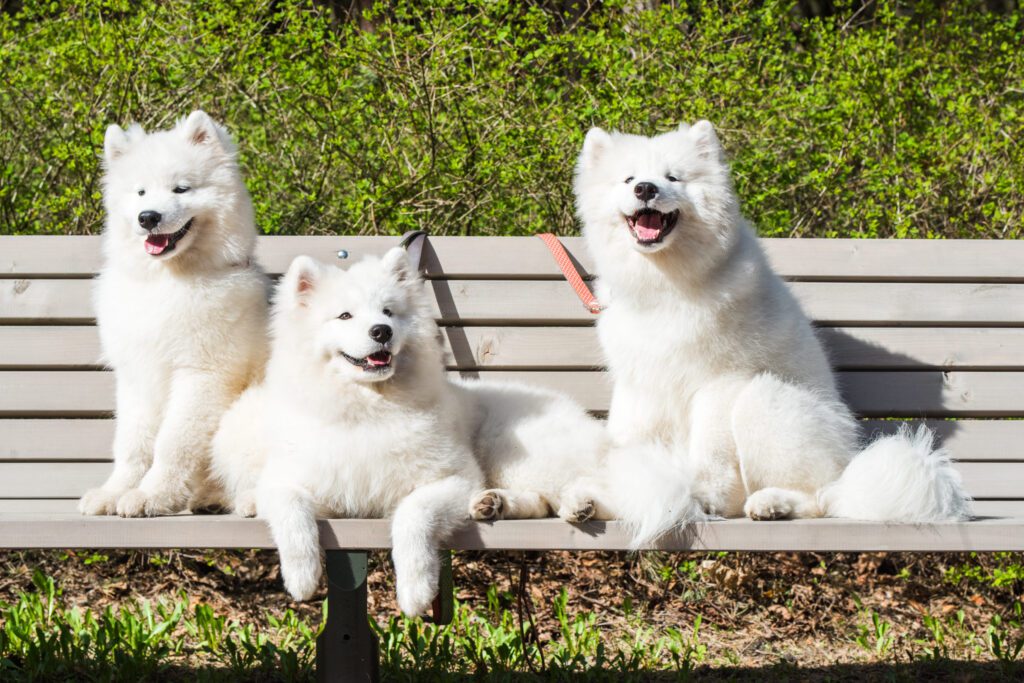
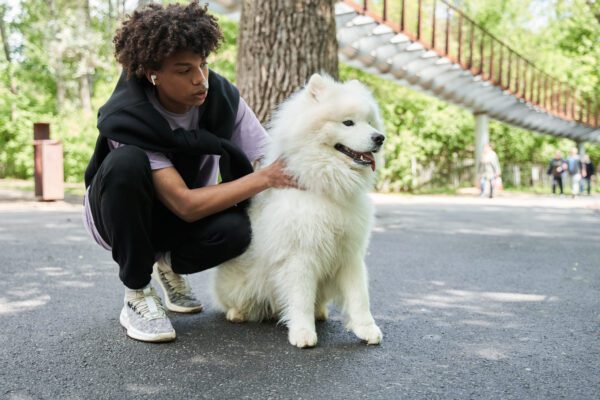
The Samoyed is a bright, affectionate, and social companion with a famously friendly smile. This spitz breed was developed to work hard in cold climates, which means strong stamina, thick double coats, and a love of being active with people. A well-trained Samoyed brings cheer, loyalty, and playfulness to daily life.
It is wise to research the breed before you adopt a Samoyed in Wisconsin. Samoyeds shed heavily, vocalize when bored, and crave daily engagement. Adoption is a meaningful choice because it gives a deserving dog a second chance, supports responsible rescue work, and often provides helpful insight from foster homes about behavior and routine.
Wisconsin suits the Samoyed’s cold-weather heritage because long winters allow these dogs to thrive outdoors in comfort for reasonable periods. The state’s humid summers require careful heat management with shade, cool water, and indoor rest. Urban living can work well with structured exercise and mental enrichment, while suburban and rural areas offer space for hikes and play. Consistent activity, frequent grooming, and time with family are the keys to a happy match.
You can avoid searching rescues and shelters one by one by using Dog Academy to browse adoption listings in one place. You can also use Dog Academy’s educational guides and adoption checklists to prepare your home, your schedule, and your budget. In addition to this central resource, you can explore local animal shelters, regional rescues, and breed-specific rescue groups that serve Wisconsin and nearby states.
Start by browsing listings and reading each bio in detail. Look for information about age, size, energy level, grooming tolerance, behavior with children, behavior with other pets, and any medical notes. Submit an application that explains your lifestyle, training approach, housing details, landlord approval if you rent, and a veterinary reference if you have one. Many groups review applications within 3 to 14 days depending on volume and volunteer availability.
Next, expect a phone interview and a meet-and-greet with the dog at a shelter, an event, or a foster home. Bring all household members and plan introductions with resident dogs if requested. A home check may be virtual or in person to confirm safe spaces, secure doors or fencing, a plan for daily exercise, and an area for grooming and crate rest. After approval, you sign an adoption contract, pay the fee, and schedule pickup. Transport is often arranged by rescues to move dogs between locations when a foster or adopter is approved, and it is typically coordinated with health certificates and experienced volunteer drivers to support safety.
Take time to confirm that a Samoyed’s needs match your routine. Daily exercise, steady companionship, and committed grooming are essential. Some groups prefer adopters with prior experience with northern breeds because these dogs can be independent thinkers. Thoughtful preparation helps ensure a smooth transition and a successful long-term placement.
|
How Much Does It Cost to Adopt a Samoyed in Wisconsin?In Wisconsin, adoption fees for a Samoyed typically range from $300 to $550. Puppies often fall between $450 and $550 because of high demand and additional veterinary care, while most adults range from $300 to $450. Seniors and dogs with special needs may be closer to the lower end of the range when groups prioritize placement and long-term care plans. Fees usually include spaying or neutering, vaccinations, microchipping, and veterinary exams. Costs can also reflect deworming, heartworm testing and prevention, dental procedures when needed, professional grooming to manage dense coats, training support, and safe transport when a dog moves from another area. Age, prior training, recent medical care, and local demand for the breed all influence final pricing. |
How Should I Train a Samoyed?Samoyeds are intelligent, eager to engage, and sometimes independent. They learn quickly when training feels fun and rewarding. Positive reinforcement with food, toys, and praise builds focus and trust without shutting down the breed’s natural enthusiasm. Common challenges include pulling on leash, selective recall, jumping to greet people, and alert barking. Teach loose-leash walking with a clear marker word and frequent rewards for a slack leash. Build recall with games, long lines, and high-value rewards in low-distraction settings before moving to busier areas. Practice calm greetings and reward four paws on the floor. Introduce handling for brushing, nail care, and teeth cleaning so grooming becomes a routine skill instead of a struggle. Short sessions that last 3 to 5 minutes and frequent practice help a Samoyed stay engaged. Early socialization with people, friendly dogs, new surfaces, and real-world sounds creates confidence. You can follow clear, step-by-step guidance with Dog Academy’s online training courses to build reliable manners, impulse control, and enrichment that suits northern breeds. |
|
The ideal adopter enjoys active days, steady routines, and time outdoors in cooler weather. A strong match includes consistent training, daily mental enrichment, and a commitment to regular brushing and coat care. Families, couples, and dedicated singles who value companionship and structure often do well with this breed.
Prepare your home with secure gates, a crate for restful downtime, a quality brush and an undercoat rake, and a plan for 60 to 90 minutes of combined physical and mental exercise each day. Take your time, ask thoughtful questions, and lean on trusted resources. Use Dog Academy to explore listings and to follow checklists, and use training support to help your new Samoyed settle smoothly into Wisconsin life.

Introducing a new puppy to your current dog is often an exciting process, and many dogs will become fast friends and eas...
Read More
Rescue dogs can make great companions and can transform your home into something better. These dogs make great pets and ...
Read More
You should never rush to pet a dog. Even dog owners make the mistake of approaching unfamiliar dogs and petting them rig...
Read More
Puppy mill dogs are survivors who have endured extreme hardships in their lives. They have grown up in horrendous, unsan...
Read More
With their wagging tails and comforting presence, adopting a dog can add a unique touch to your life. It’s a heart...
Read More
Older dogs may have a few gray hairs around the edges, but that doesn’t mean they can’t make wonderful companions! T...
Read More