




























































































































































































Introducing a new puppy to your current dog is often an exciting process, and many dogs will become fast friends and eas...
Read MoreAdopt Me

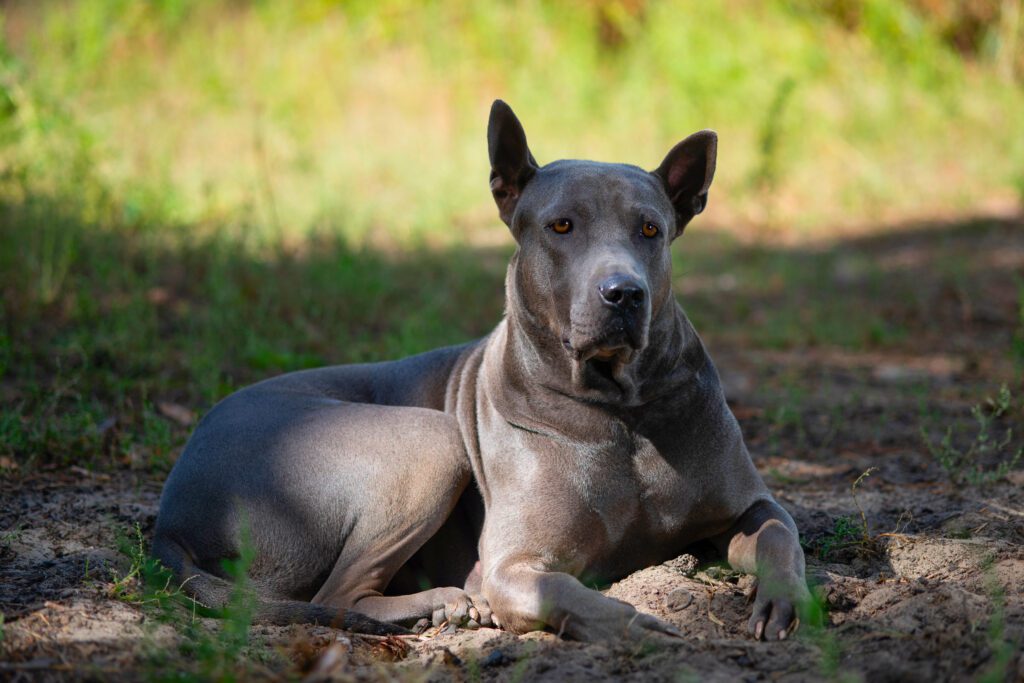

The Thai Ridgeback is athletic, loyal, and watchful. This breed is independent yet deeply bonded with family, and many dogs act as quiet guardians in the home. The sleek coat and agile frame make exercise fun and maintenance simple, yet the breed’s prey drive and strong will call for patient training and clear structure.
Research matters before you adopt. A Thai Ridgeback thrives with consistent training, daily mental work, and sturdy management like secure fencing. Adoption is a smart path because it places dogs who need homes with prepared families, reduces pressure on commercial breeding, and often includes valuable veterinary care. You also gain support from knowledgeable staff and volunteers who want the match to succeed.
Wisconsin brings unique considerations. Winters are long and cold, and a Thai Ridgeback’s short coat offers little insulation. Plan for winter jackets, boot conditioning, and limited time on icy, salt-treated sidewalks. Summers can be warm and humid, which calls for shaded walks and plenty of water. The state’s mix of city streets, quiet suburbs, farms, and wooded trails suits active dogs, though wildlife and open land increase temptation to chase. Ticks are common in tall grass and forested areas, so year-round prevention is important.
You can skip searching rescues and shelters one by one by browsing adoptable dogs on Dog Academy. You will find current listings from shelters, regional rescues, and breed-focused groups in one place. Dog Academy also offers educational guides and adoption checklists that help you evaluate fit, prepare your home, and plan your first weeks together.
Start by exploring listings from local animal shelters, regional rescues, and breed-specific rescue groups. Thai Ridgebacks are uncommon in Wisconsin, so you may see more mixes than purebreds. A wider search across neighboring regions can help. When a dog matches your needs, submit an application that covers your experience, daily schedule, home setup, fencing, and landlord approval if you rent.
After an application review, many organizations arrange a phone interview and request veterinary references. Next comes a meet-and-greet to confirm chemistry with all household members and resident pets. Some groups complete a home check to verify safety, secure storage for food and chemicals, and an escape-proof yard if you have one. Home checks can be virtual or in person depending on distance and staffing.
Approval timelines vary by organization and by dog. Many adoptions finalize within 1 to 3 weeks once references and a home check are complete. A few placements move faster when the dog is already vetted and local. If the best match lives outside your area, rescues sometimes arrange transport to move dogs between locations. Transport is often handled by volunteer drivers or licensed carriers who move dogs in stages with scheduled handoffs, and the group will explain any related fees and health certificate requirements.

|
How Much Does It Cost to Adopt a Thai Ridgeback in Wisconsin?Most adopters in Wisconsin can expect to pay $250 to $550 to adopt a Thai Ridgeback or Thai Ridgeback mix. Puppies and dogs that receive extensive medical care may be higher. Fees reflect age, training level, veterinary investment, and local demand. Many organizations include spaying or neutering, vaccinations, microchipping, and veterinary exams in the fee. Some groups add a modest fee for transport or a training deposit when needed. |
How Should I Train a Thai Ridgeback?Thai Ridgebacks are intelligent and capable, yet they can be independent and sensitive. Positive reinforcement works best. Use high-value rewards, short sessions, and clear criteria. Avoid harsh corrections because they damage trust and reduce engagement. Prioritize foundation skills like name recognition, recall, loose-leash walking, and settle on a mat. Teach impulse control with polite greetings and leave it, and add daily mental enrichment through scent games, puzzle feeders, and structured find-it searches. Early and ongoing socialization is vital. Pair new people, places, and surfaces with rewards so your dog gains confidence. Many Thai Ridgebacks are alert and can be reserved with strangers, so guide calm introductions and advocate for space. Address prey drive with management and training. Practice strong recalls on a long line, reinforce check-ins, and use a secure yard or enclosed field for off-leash play. Winter in Wisconsin adds extra steps. Condition your dog to wear a jacket and boots, and build indoor exercise routines like hallway fetch, stair workouts, and trick training. For structured guidance at home, explore Dog Academy’s online training courses. Step-by-step lessons cover house manners, impulse control, leash skills, and enrichment games that fit an independent, athletic breed. |
|
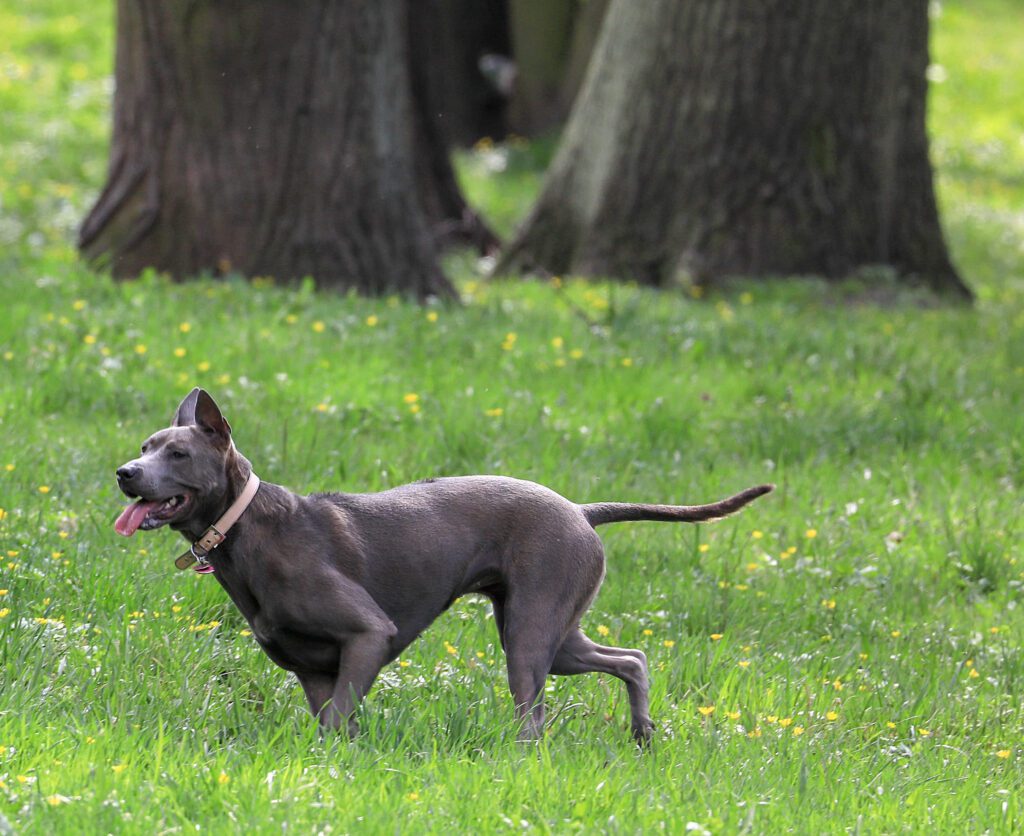
The ideal adopter enjoys daily activity, clear routines, and patient training. A secure yard, time for exercise, and a plan for socialization help this breed thrive. Families who value calm leadership and consistent boundaries often get the best results.
Prepare your home, research the breed’s needs, and take time to meet several dogs. When you choose thoughtfully and plan ahead, you give a Thai Ridgeback the structure and love that unlocks a lifelong partnership in Wisconsin.

Introducing a new puppy to your current dog is often an exciting process, and many dogs will become fast friends and eas...
Read More
Rescue dogs can make great companions and can transform your home into something better. These dogs make great pets and ...
Read More
You should never rush to pet a dog. Even dog owners make the mistake of approaching unfamiliar dogs and petting them rig...
Read More
Puppy mill dogs are survivors who have endured extreme hardships in their lives. They have grown up in horrendous, unsan...
Read More
With their wagging tails and comforting presence, adopting a dog can add a unique touch to your life. It’s a heart...
Read More
Older dogs may have a few gray hairs around the edges, but that doesn’t mean they can’t make wonderful companions! T...
Read More