
























































































































































































Introducing a new puppy to your current dog is often an exciting process, and many dogs will become fast friends and eas...
Read More
How to Introduce a New Puppy to Your Dog
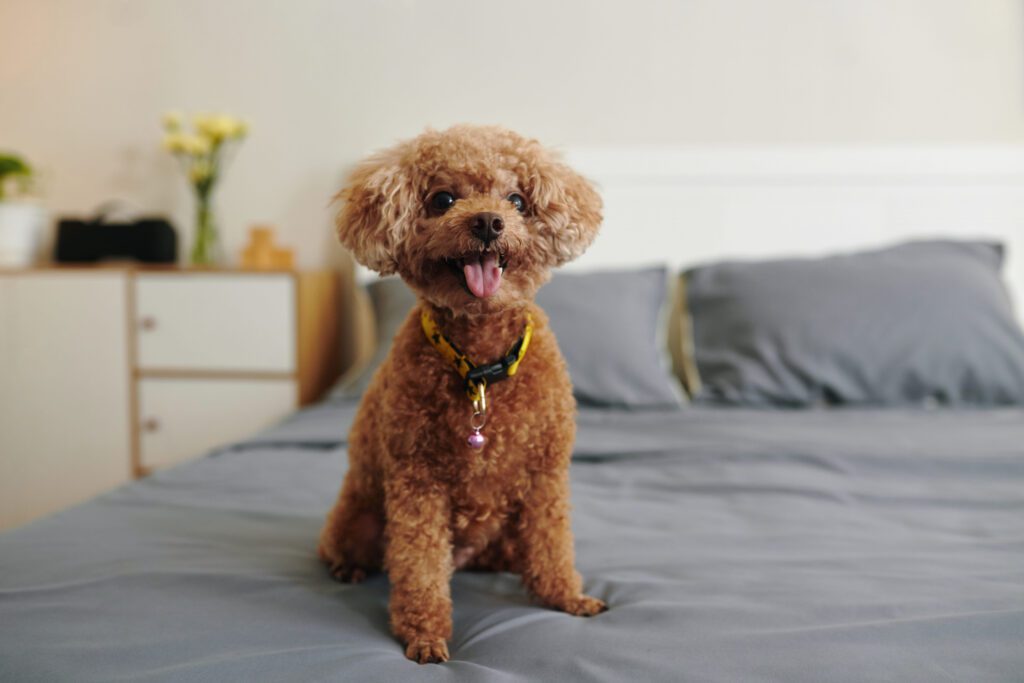
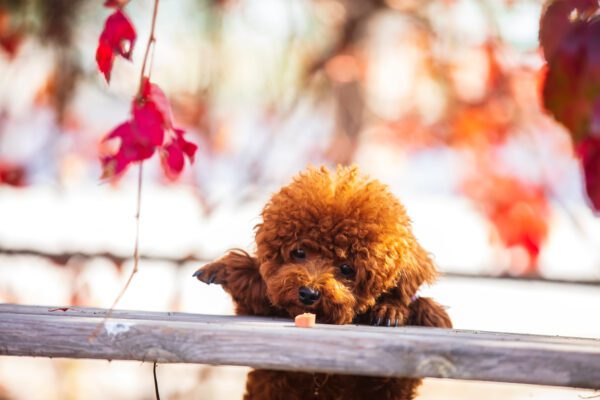
The Toy Poodle is small, bright, and affectionate. This breed loves learning and thrives on human companionship. A Toy Poodle often suits apartments and houses because the breed has a compact size and a calm indoor presence when well exercised. A Toy Poodle has a low-shedding coat that many families with allergies appreciate, although regular grooming is still essential.
Research matters before you adopt a Toy Poodle in Wisconsin. A Toy Poodle needs daily mental enrichment and gentle, consistent training. Adoption often saves a life and supports responsible animal care. Adoption also helps you avoid impulse buying and improves the chance of a good match because many adopters receive guidance on temperament and needs.
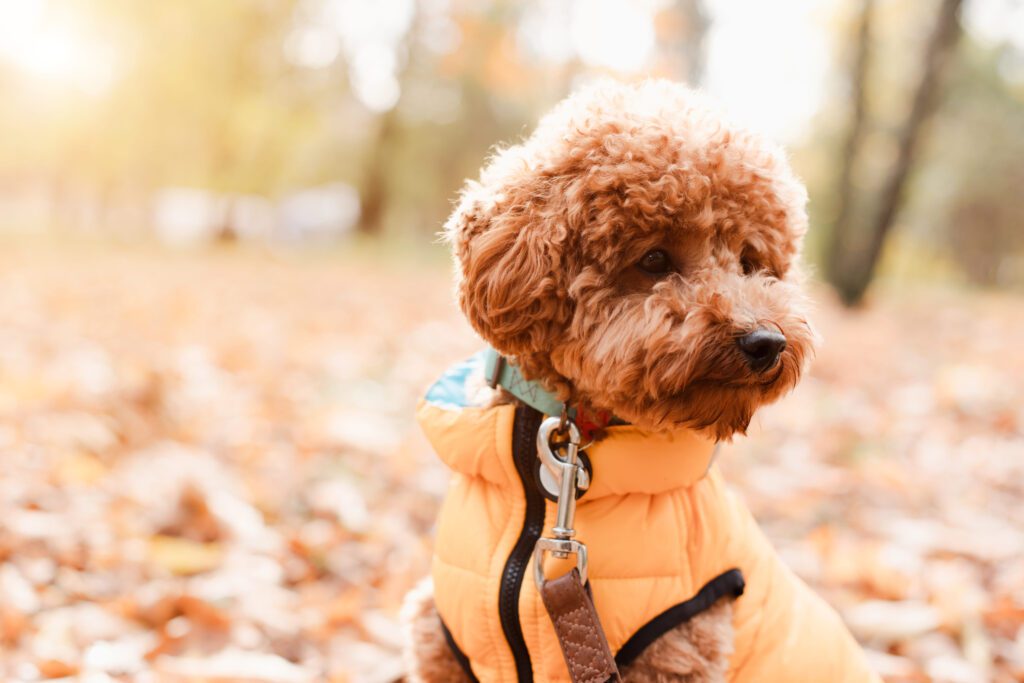
Wisconsin offers city living, small towns, and wide rural spaces. Cold winters require a warm coat, paw balm, and shorter outdoor sessions for a Toy Poodle. Humid summers call for shade, fresh water, and careful monitoring during midday walks. Lakeside paths and forest trails can be wonderful for sniff walks when you use a secure harness and tick prevention. A Toy Poodle can thrive in Wisconsin when you provide indoor play, structured exercise, and weather-smart routines.
You can avoid searching local animal shelters and regional rescues one by one by using Dog Academy. Dog Academy lists adoptable dogs statewide so you can filter for Toy Poodles and review helpful details in one place. Dog Academy also offers educational guides and adoption checklists that help you prepare with confidence.
Adoptable Toy Poodles in Wisconsin are often posted by local animal shelters, regional rescues, and breed-specific rescue groups. Start by browsing listings, reading each profile carefully, and noting age, temperament, size, and any medical notes. Create a short list of dogs that fit your lifestyle and home setup. A Toy Poodle with high energy may suit an active household. A senior Toy Poodle may prefer a quiet routine with gentle walks and naps.
The application process usually asks for personal information, landlord approval when you rent, and veterinary references when you have a pet history. After an application, many groups schedule a meet-and-greet to watch how you and the dog interact. A home check may follow to confirm safe fencing, secure doors, and a stable space for feeding and rest. Approval timelines vary, and many decisions take 1 to 3 weeks based on volunteer availability and the need to verify references.
Some rescues arrange transport to move dogs between locations when a match is strong. Transport is often a coordinated trip that brings a dog from an overfilled shelter to an adopter in another city or state. Transport plans include health certificates when required and set handoff points that keep the dog safe and comfortable. Confirm transport fees and schedules in writing so you understand the process from pickup to arrival.

|
How Much Does It Cost to Adopt a Toy Poodle in Wisconsin?Expect to pay about $300 to $650 to adopt a Toy Poodle in Wisconsin. This range reflects the high demand for small companion breeds and the medical care that reputable groups provide before placement. Younger dogs and highly social dogs often sit at the upper end of the range, while seniors and dogs with ongoing needs may cost less to encourage the right home. Fees usually include spaying or neutering, vaccinations, microchipping, and veterinary exams. Costs can rise when a dog receives a dental cleaning, specialty diagnostics, or behavioral support before adoption. Training level, recent grooming, and demand within your area can also affect the final fee. Ask for an itemized breakdown so you understand the value you receive and can budget for future care. |
How Should I Train a Toy Poodle?A Toy Poodle is one of the most trainable companion breeds. The breed learns cues quickly and enjoys games that make training feel like play. Use positive reinforcement with small food rewards, gentle praise, and clear timing. Keep sessions short and fun to prevent boredom. Common challenges include alert barking, sensitivity to rough handling, and separation distress. Teach quiet on cue, build a calm mat routine, and reward independent settling. Socialize with controlled introductions so a Toy Poodle feels safe near children and other pets. Practice grooming skills early so nail trims and brushing feel routine. For structured guidance at home, try Dog Academy’s online training courses. These step-by-step lessons cover foundation skills, polite leash walking, crate training, and enrichment plans that keep a smart dog engaged. |
|
The ideal adopter enjoys daily interaction, gentle training, and consistent routines. A Toy Poodle does best with families who provide mental games, short outdoor walks, and cozy indoor time. Preparation matters because the right supplies and schedule make the first week calm and safe.
Take your time and research each dog’s needs. Review listings carefully, ask thoughtful questions, and confirm health and behavior details in writing. When you are ready to adopt a Toy Poodle in Wisconsin, use Dog Academy to explore current dogs, compare options, and move forward with clarity and care.
Introducing a new puppy to your current dog is often an exciting process, and many dogs will become fast friends and eas...
Read More
Rescue dogs can make great companions and can transform your home into something better. These dogs make great pets and ...
Read More
You should never rush to pet a dog. Even dog owners make the mistake of approaching unfamiliar dogs and petting them rig...
Read More
Puppy mill dogs are survivors who have endured extreme hardships in their lives. They have grown up in horrendous, unsan...
Read More
With their wagging tails and comforting presence, adopting a dog can add a unique touch to your life. It’s a heart...
Read More
Older dogs may have a few gray hairs around the edges, but that doesn’t mean they can’t make wonderful companions! T...
Read More