



























































































































































































Introducing a new puppy to your current dog is often an exciting process, and many dogs will become fast friends and eas...
Read MoreAdopt Me

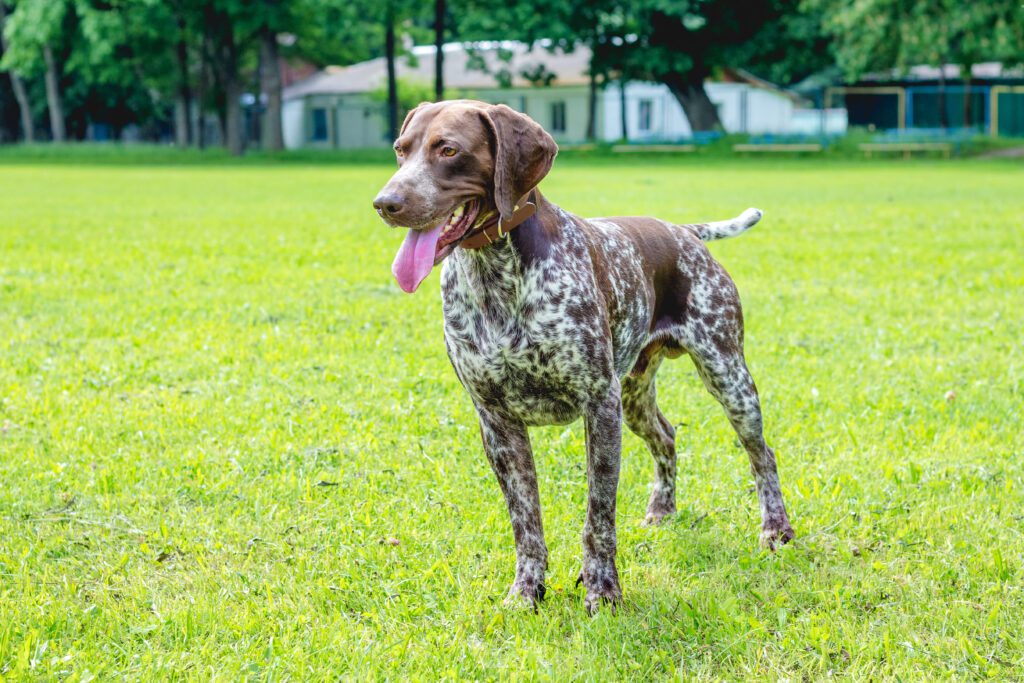


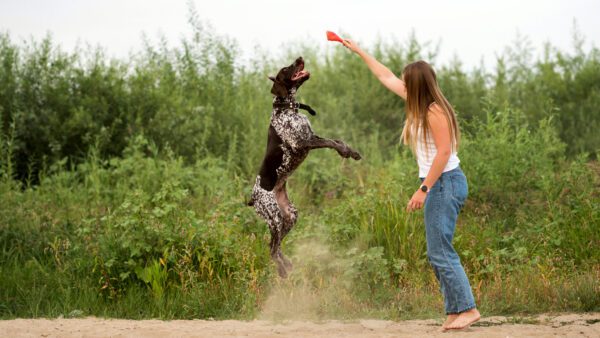
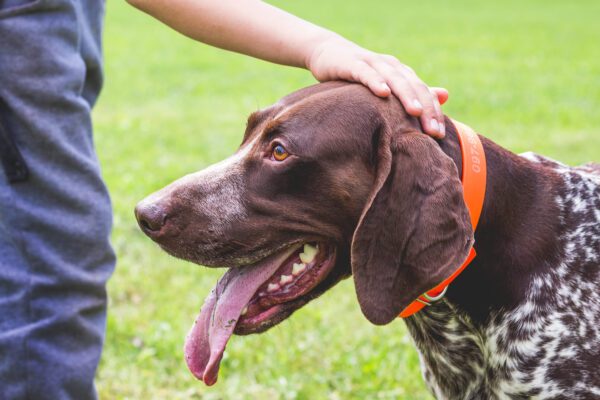
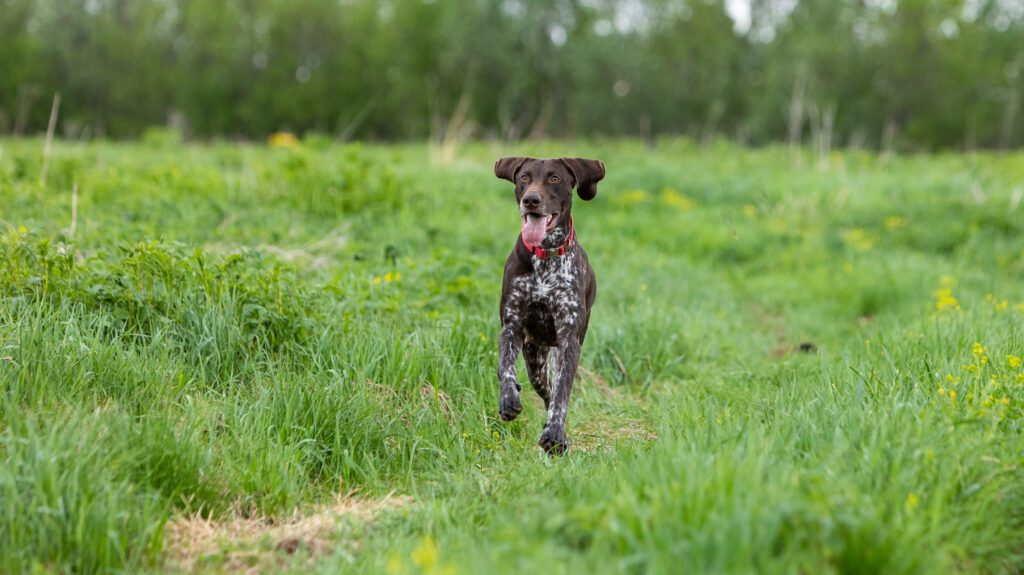
A German Shorthaired Pointer is athletic, affectionate, and eager to work. This versatile sporting breed loves to run, swim, and explore. The breed bonds closely with its family and thrives on daily engagement. Smart decision-making starts with research, because energy level, exercise needs, and training requirements are higher than average for many households.
Adoption gives a deserving dog a new start and often includes essential veterinary care at a lower cost than buying. You also gain a fuller picture of temperament when adopting an adult. In Wisconsin, a German Shorthaired Pointer can flourish because the state offers lakes, forests, fields, and trail systems that suit an active lifestyle. Cold winters bring snow and ice, which demand proper gear, shorter sessions, and mindful paw care. Warm summers invite swims and long hikes, which call for hydration and tick prevention. City living in Wisconsin can work well when you commit to daily exercise and structured training.
You can save time by using adoption listings through Dog Academy, which gather available dogs in one place so you do not need to search shelters and rescues separately. Dog Academy also provides educational guides and practical adoption checklists, which help you prepare your home, confirm supplies, and create a smooth first week plan.
Beyond centralized listings, you can look for adoptable dogs through local animal shelters, regional rescues, and breed-specific rescue groups. Read each dog’s profile carefully. A German Shorthaired Pointer needs daily aerobic exercise, consistent training, and mental enrichment. Puppies require house training and socialization. Adults often arrive with basic manners and may settle faster in new homes.
The process usually starts by browsing listings and submitting an online application. Applications often ask about your schedule, experience with sporting breeds, home setup, and plans for exercise. Many groups request personal references and landlord approval when you rent. Expect a phone interview to discuss fit and expectations. Response times vary, though most groups review applications within 3 to 14 days.
Meet-and-greets give you a chance to observe behavior and energy level. Bring all household members so everyone can interact safely and calmly. Some organizations conduct a home check to confirm safe fencing, secure storage for hazards, and appropriate space for rest. Final approval follows once requirements are met. If your chosen dog is outside your area, rescues sometimes arrange transport between locations using volunteer drivers or professional carriers. Transport requires coordination, clear paperwork, and a confirmed pickup plan, and it may include a modest fee.
|
How Much Does It Cost to Adopt a German Shorthaired Pointer in Wisconsin?In Wisconsin, most adopters pay $300 to $550 to adopt a German Shorthaired Pointer through shelters and breed-focused rescues. Fees trend toward the higher end for puppies and healthy young adults. Seniors and special-needs dogs can be lower, and some groups adjust fees to encourage the right match. Costs vary with age, training level, recent medical care, and local demand for the breed. Fees often include spaying or neutering, vaccinations, microchipping, and veterinary exams. Some organizations add heartworm testing, dental cleanings, or behavior support, which can raise the total. Ask for a complete itemization so you know exactly what your fee covers. |
How Should I Train a German Shorthaired Pointer?A German Shorthaired Pointer is intelligent and highly trainable. The breed learns fast and craves purposeful work. Use positive reinforcement with food rewards, toys, and praise. Keep sessions short and upbeat. Focus on impulse control, loose-leash walking, a strong recall, and reliable stay cues. Mental enrichment matters as much as physical exercise, so add scent games, retrieving drills, and puzzle feeders to the daily routine. Common challenges include jumping, pulling, and chasing wildlife. Prevent rehearsal of unwanted behavior by managing the environment and providing structured outlets for energy. Crate training helps with rest and safety. Long Wisconsin winters call for indoor training games and treadmill or hallway fetch to maintain fitness. For step-by-step guidance tailored to real life, explore Dog Academy’s online training courses, which cover foundation skills, recall building, and canine fitness for active breeds. |
|
The ideal adopter enjoys an active lifestyle and can commit to daily exercise, ongoing training, and regular mental work. A fenced yard helps, though it is not required when you provide structured walks, runs, and enrichment. Preparation sets you up for success. Gather supplies, schedule a first veterinary visit, and plan a calm introduction period with predictable routines.
Take your time, ask clear questions, and make choices that match your schedule and experience. When you are ready to adopt a German Shorthaired Pointer in Wisconsin, start with organized listings and solid education. The right dog will reward your commitment with enthusiasm, partnership, and years of adventure across Wisconsin’s trails and lakes.

Introducing a new puppy to your current dog is often an exciting process, and many dogs will become fast friends and eas...
Read More
Rescue dogs can make great companions and can transform your home into something better. These dogs make great pets and ...
Read More
You should never rush to pet a dog. Even dog owners make the mistake of approaching unfamiliar dogs and petting them rig...
Read More
Puppy mill dogs are survivors who have endured extreme hardships in their lives. They have grown up in horrendous, unsan...
Read More
With their wagging tails and comforting presence, adopting a dog can add a unique touch to your life. It’s a heart...
Read More
Older dogs may have a few gray hairs around the edges, but that doesn’t mean they can’t make wonderful companions! T...
Read More