

























































































































































































Introducing a new puppy to your current dog is often an exciting process, and many dogs will become fast friends and eas...
Read MoreAdopt Me

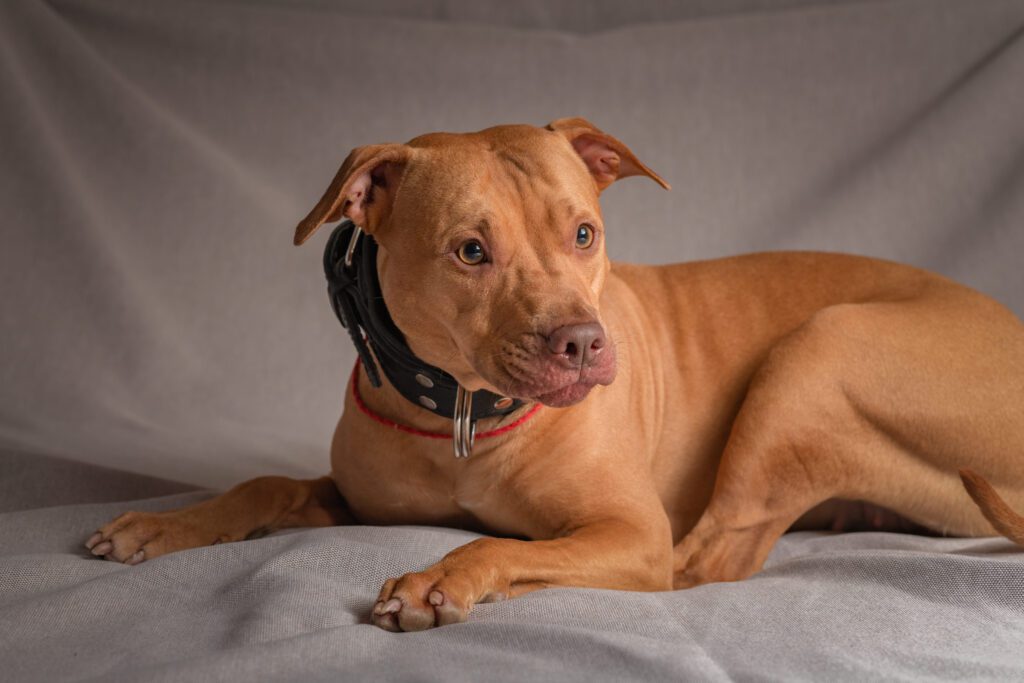
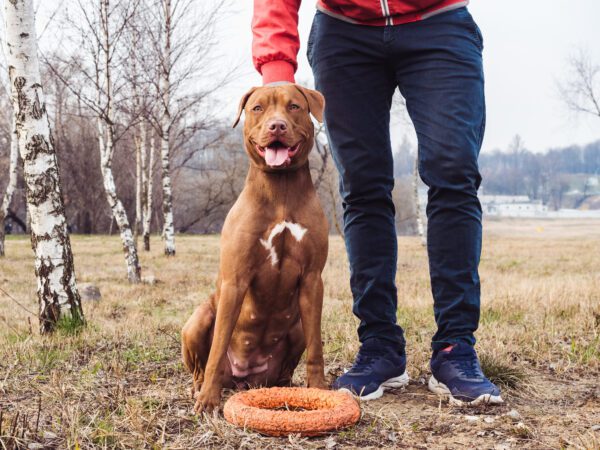
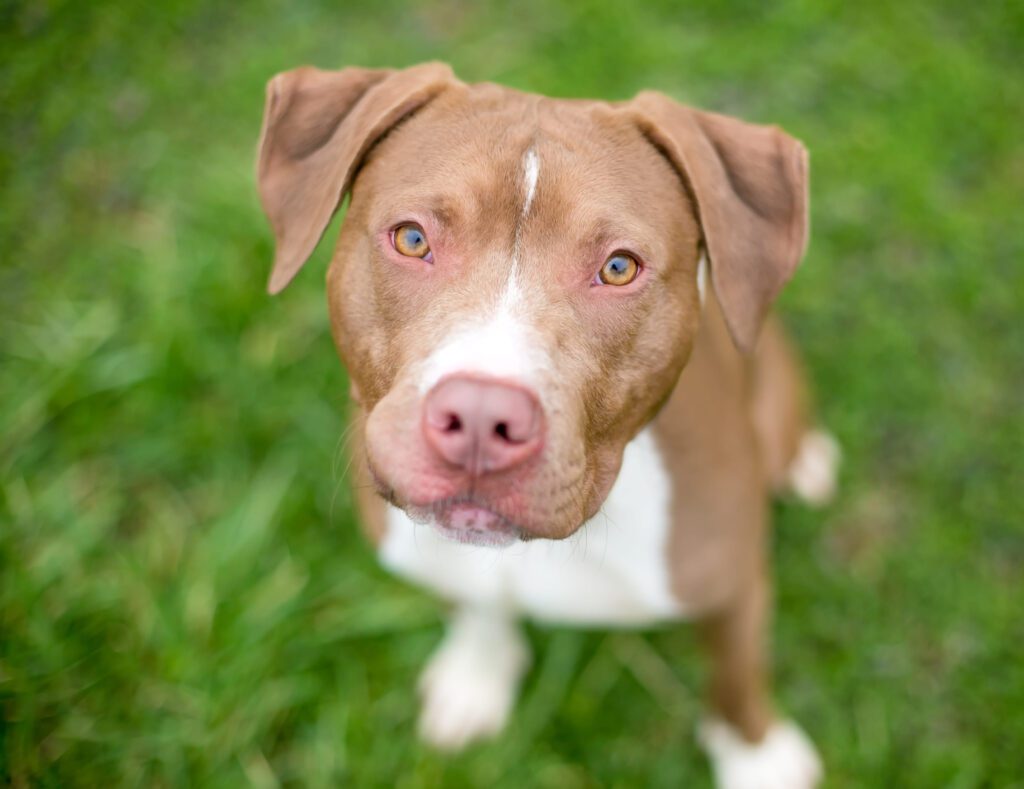
A Red Nose Pitbull is affectionate, people focused, and athletic. The breed thrives on daily exercise, clear structure, and meaningful time with its family. Many dogs of this type are confident and playful, yet sensitive to human guidance, which makes them rewarding companions for committed adopters.
It is wise to research before you adopt a Red Nose Pitbull in Alaska. You should understand exercise needs, cold-weather care, local rules, and housing requirements. Adoption is often the best path because it helps a dog in need, supports responsible placement, and usually includes important veterinary care already completed.
Alaska offers wide open spaces and a culture that values outdoor living. Cold winters, ice, and long stretches of darkness can challenge this short-coated breed. You can set your dog up for success with a snug coat, paw protection, and indoor enrichment when trails are unsafe. Longer summer days, hiking opportunities, and a steady routine make Alaska a great fit for an active Red Nose Pitbull and a prepared owner.
You can skip searching rescues and shelters one by one by browsing listings through Dog Academy. You can view adoptable Red Nose Pitbulls, read clear profiles, and save time. You can also use Dog Academy’s educational guides and adoption checklists to prepare your home, budget, and schedule before you apply.
Most Alaskans find adoptable dogs through local animal shelters, regional rescues, breed-specific rescue groups, and foster-based networks. Start by browsing listings, then read each profile for age, temperament notes, training level, and medical history. Contact the placement team with questions about energy level, dog or cat compatibility, and any ongoing care needs that affect daily life in Alaska.
Applications are usually completed online. You should expect to provide references, proof of housing or landlord approval, and a plan for exercise, training, and care. Many programs schedule a meet-and-greet where you introduce the dog to your family and any resident pets. Home checks are common and may be in person or virtual. A home check confirms safe fencing, secure doors, and appropriate indoor space for rest and recovery.
Approval timelines vary by program. Straightforward cases can be approved in 3 to 7 days, while more complex placements can take 1 to 3 weeks. Some rescues arrange transport to move dogs between locations when a great match is found. Transport is often coordinated by the rescue, and costs are clearly disclosed before you commit so you can plan your pickup or delivery.

|
How Much Does It Cost to Adopt a Red Nose Pitbull in Alaska?In Alaska, adoption fees for a Red Nose Pitbull usually range from $200 to $400 for adults and from $300 to $500 for puppies. Costs tend to be slightly higher in Alaska due to veterinary pricing and logistics. Fees typically include spaying or neutering, vaccinations, microchipping, and veterinary exams. Some organizations also include deworming and a health certificate when transport is involved. Age, training, medical care, and demand all affect price. A puppy with recent vaccines may cost more than a senior with known manners. A dog that received dental work or treatment for an injury may have a higher fee that reflects that care. If transport is arranged between locations, you may see an added charge of $100 to $300 to cover flights, crates, or ground mileage. |
How Should I Train a Red Nose Pitbull?Red Nose Pitbulls are intelligent, eager to please, and highly motivated by food and play. They learn quickly when you use clear markers, short sessions, and consistent rewards. Positive reinforcement builds trust and focus, which is essential for a strong and energetic dog. Common challenges include pulling on leash, jumping to greet, and overexcitement around other dogs. You can address these by teaching loose-leash walking, polite sits for attention, and impulse control games like wait, place, and leave it. Early socialization with calm, neutral dogs and structured exposure to new surfaces, sounds, and people helps your dog stay confident in Alaska’s varied environments, from snowy sidewalks to busy trailheads. Cold weather can limit outdoor repetitions, so plan indoor training to keep progress steady. Crate training supports safe travel and rest. Muzzle training ensures stress-free veterinary visits and compliance with any local rules during public outings. For step-by-step guidance you can enroll in Dog Academy’s online training courses, which provide clear lessons you can practice at home in short, effective sessions. |
|
The ideal adopter enjoys daily activity, provides patient leadership, and commits to ongoing training. A good match has time for exercise, space for indoor play during storms, and a plan for cold-weather gear and paw care. Families with children or other pets should choose a dog with a history that fits their home and should follow a careful introduction plan.
Preparation leads to a lasting match. Set a budget, schedule a veterinary appointment, gather supplies, and map safe walking routes for winter and summer. Take your time, ask thoughtful questions, and lean on trusted resources. Start your search with Dog Academy, then use training support to help your new Red Nose Pitbull settle into Alaskan life with confidence.

Introducing a new puppy to your current dog is often an exciting process, and many dogs will become fast friends and eas...
Read More
Rescue dogs can make great companions and can transform your home into something better. These dogs make great pets and ...
Read More
You should never rush to pet a dog. Even dog owners make the mistake of approaching unfamiliar dogs and petting them rig...
Read More
Puppy mill dogs are survivors who have endured extreme hardships in their lives. They have grown up in horrendous, unsan...
Read More
With their wagging tails and comforting presence, adopting a dog can add a unique touch to your life. It’s a heart...
Read More
Older dogs may have a few gray hairs around the edges, but that doesn’t mean they can’t make wonderful companions! T...
Read More