


























































































































































































Introducing a new puppy to your current dog is often an exciting process, and many dogs will become fast friends and eas...
Read MoreAdopt Me




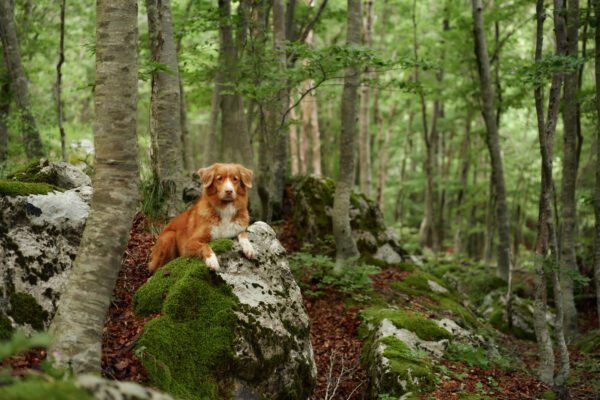
The Nova Scotia Duck Tolling Retriever is a compact, athletic retriever known for bright intelligence, playful energy, and strong bonding with people. This breed loves water, retrieves with enthusiasm, and thrives on daily mental and physical challenges. A Toller brings affection and fun to an active home while offering keen focus that makes training rewarding.
Thoughtful research before adoption protects both the dog and the adopter. A Toller’s energy level, grooming needs, and sensitivity can surprise first-time owners. Adoption gives a deserving dog a new start while supporting lifesaving work. Adopted dogs often come with helpful behavior notes and essential vet care, which makes the transition smoother and safer.
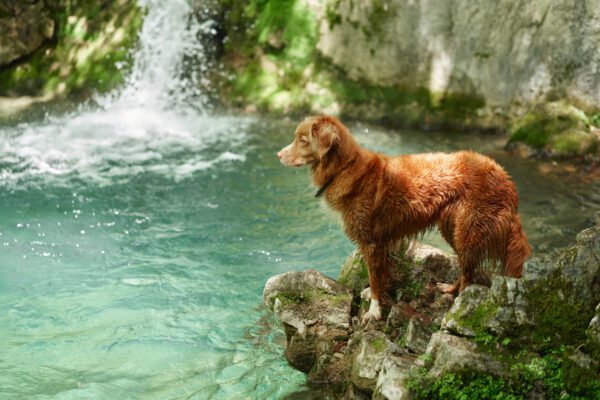
Alaska can be a great fit for a Toller thanks to the breed’s weather-resistant double coat and love of outdoor adventures. Snow, trails, and water access create an ideal playground for a retriever. The climate and geography also add challenges. Extreme cold requires paw protection and smart outing plans. Icy conditions call for traction and controlled play. Wildlife and long dark periods demand reliable recall, bright lights, and strong handling skills.
You can avoid searching for rescues and shelters separately by starting with centralized adoption listings. Dog Academy makes it easy to browse available dogs and learn with educational guides and clear adoption checklists. You can also check local animal shelters, regional rescues, breed-specific rescue groups, and foster-based networks that specialize in sporting breeds.
Begin by browsing listings and reading each profile closely. Look for details about energy level, sociability with other pets, prey drive around birds and small animals, noise sensitivity, and comfort with crates. Ask about the dog’s daily routine and training history. Arrange a meet-and-greet in a safe space to see how the dog responds to you and to any resident pets.
Most groups ask for an application that verifies identity, references, and housing status. Renters usually provide landlord approval. Many organizations schedule a phone or video interview to discuss needs, routines, and training plans. A home check may happen in person or by video to confirm safe fencing, secure storage for food and chemicals, and room for exercise and enrichment.
Approval timelines commonly run 1 to 3 weeks. Local adoptions can move faster. Timelines can extend if medical care is pending or if transport is needed. Rescues sometimes arrange transport between locations using volunteer drivers or approved carriers. In Alaska, this often involves flights to larger airports followed by a local pickup. Transport fees may be included in the adoption fee or charged separately. Finalization happens after signing the contract, paying the fee, and confirming a pickup date or delivery plan.
|
How Much Does It Cost to Adopt a Nova Scotia Duck Tolling Retriever in Alaska?Most adopters in Alaska pay about $350 to $650 to adopt a Nova Scotia Duck Tolling Retriever through a shelter or rescue. Fees trend higher for puppies because demand is strong and early care costs are greater. Adult dogs often sit in the middle of the range, while seniors can cost less. Prices reflect local veterinary expenses and the added logistics of serving a large, remote state. Adoption fees usually include spaying or neutering, vaccinations, microchipping, and veterinary exams. Fees can also cover parasite screening and treatment, behavioral assessments, and a travel health certificate if transport is involved. Specialized medical care, recent training, or supplies that go home with the dog can increase the final cost. |
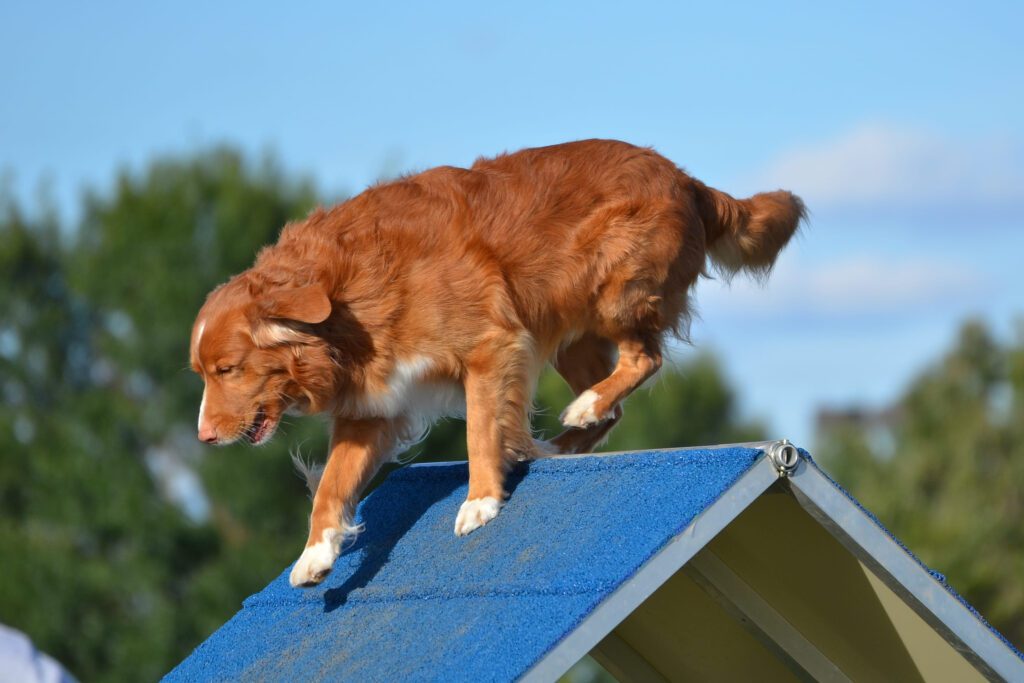
How Should I Train a Nova Scotia Duck Tolling Retriever?Tollers are sharp, eager learners that excel with clear structure and generous rewards. Positive reinforcement with food, toys, and praise builds fast progress and keeps this sensitive breed confident. Common challenges include high arousal during fetch, demand barking when excited, mouthiness, and distraction around wildlife. Short sessions with frequent wins work best. Teach impulse control with sit to release a toy, settle on a mat, leave it, and drop it. Build a strong recall and reliable loose-leash walking before trying off‑leash hiking. Mental enrichment keeps a Toller calm and content. Rotate scent games, trick training, and controlled retrieves on a long line. Many Tollers enjoy sports like agility and canicross that match Alaska’s active lifestyle. Prepare for cold weather by warming up indoors, using paw balm or booties, and watching for ice and frostbite. Crate training and alone-time practice help prevent separation challenges. For step-by-step help, explore Dog Academy’s online training courses to master foundations and solve common behavior issues. |
|
The ideal adopter enjoys daily activity in all seasons, values consistent training, and provides structure and gentle guidance. A Toller thrives with regular exercise, brain work, and clear routines. A household that plans for shedding, safe wildlife management, and cold-weather care will help this breed shine.
Take time to prepare your home, gather supplies, and set a training plan before adoption. Research carefully, ask detailed questions, and meet more than one dog if needed. With patience and preparation, you can adopt a Nova Scotia Duck Tolling Retriever in Alaska and build a partnership that fits your lifestyle for years to come.

Introducing a new puppy to your current dog is often an exciting process, and many dogs will become fast friends and eas...
Read More
Rescue dogs can make great companions and can transform your home into something better. These dogs make great pets and ...
Read More
You should never rush to pet a dog. Even dog owners make the mistake of approaching unfamiliar dogs and petting them rig...
Read More
Puppy mill dogs are survivors who have endured extreme hardships in their lives. They have grown up in horrendous, unsan...
Read More
With their wagging tails and comforting presence, adopting a dog can add a unique touch to your life. It’s a heart...
Read More
Older dogs may have a few gray hairs around the edges, but that doesn’t mean they can’t make wonderful companions! T...
Read More