


















































































































































































Introducing a new puppy to your current dog is often an exciting process, and many dogs will become fast friends and eas...
Read MoreAdopt Me
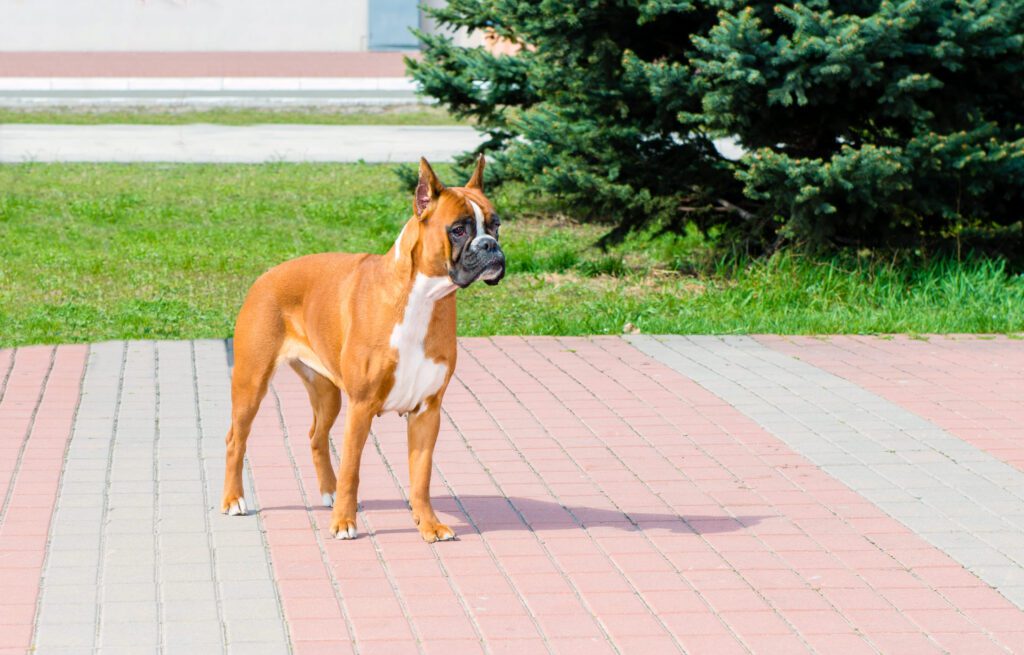

Boxers are bright, affectionate, and endlessly playful. The breed bonds closely with people and often shines as a family companion. A Boxer brings energy, clownish charm, and natural protectiveness that many Californians appreciate. Research matters because this breed needs daily exercise, structure, and positive training to thrive.
Adoption gives a deserving dog a new start and often provides a dog that has some history and initial vetting. Choosing adoption over buying supports responsible placement and opens space for the next dog in need. California offers a strong rescue network and a lifestyle rich with outdoor options that help Boxers stay engaged and fit.
California’s climate can challenge a Boxer during hot summers, especially in inland valleys and desert regions. The breed’s short muzzle limits heat tolerance, so exercise should happen in the early morning or evening with shade and water. Coastal areas and temperate microclimates suit Boxers well. Urban neighborhoods can work when owners commit to daily walks, mental enrichment, and controlled social time.
You can skip searching shelters and rescues one by one by using centralized listings. Dog Academy brings adoptable dogs together in one place and provides clear education, including step-by-step guides and practical adoption checklists. You can start by browsing Boxers throughout California and nearby regions, then narrow your search by age, size, and temperament.
Adoptable Boxers commonly appear through local animal shelters, regional rescues, and breed-specific rescue groups. Each organization lists dogs with profiles that describe age, energy level, medical needs, and ideal home type. Read each profile carefully and match the dog’s needs to your schedule, housing, and experience. Understanding typical Boxer behavior, such as exuberant greetings and high play drive, helps you evaluate fit before you apply.
The process usually starts with an online application. Organizations ask about your household, work hours, landlord approvals, and existing pets. If your application fits a particular dog, the next step often involves a phone interview and a meet-and-greet. Meet-and-greets allow you to evaluate chemistry and introduce resident dogs on neutral ground. Many groups complete a home check that verifies safety, fencing, and a plan for exercise and supervision. Home checks may be in person or virtual, and they aim to ensure the dog’s wellbeing rather than to judge décor.
Approval timelines vary by organization and by the dog you select. Straightforward cases can finish in 3 to 7 days once you complete each step. Adoptions that involve puppies, medical cases, or special training needs can take 1 to 2 weeks or slightly longer. Some rescues arrange transport to move dogs between locations when a great match is found. Transport means a coordinated trip by volunteer drivers or professional carriers who use kennels, schedule rest stops, and follow veterinary health rules to move dogs safely.

|
How Much Does It Cost to Adopt a Boxer in California?Most Californians can expect adoption fees of about $200 to $450 for adult Boxers and about $350 to $650 for puppies. Fees trend higher in large metro areas due to veterinary costs and demand for this popular breed. Older seniors may be lower, while puppies and specialty medical cases may be higher because they require extra care. Fees usually cover spaying or neutering, vaccinations, microchipping, and veterinary exams. Costs also reflect age, training, medical care, and demand. A dog that completes basic training or receives treatment for issues such as dental disease or skin conditions can cost more because the organization invests time and resources before placement. |
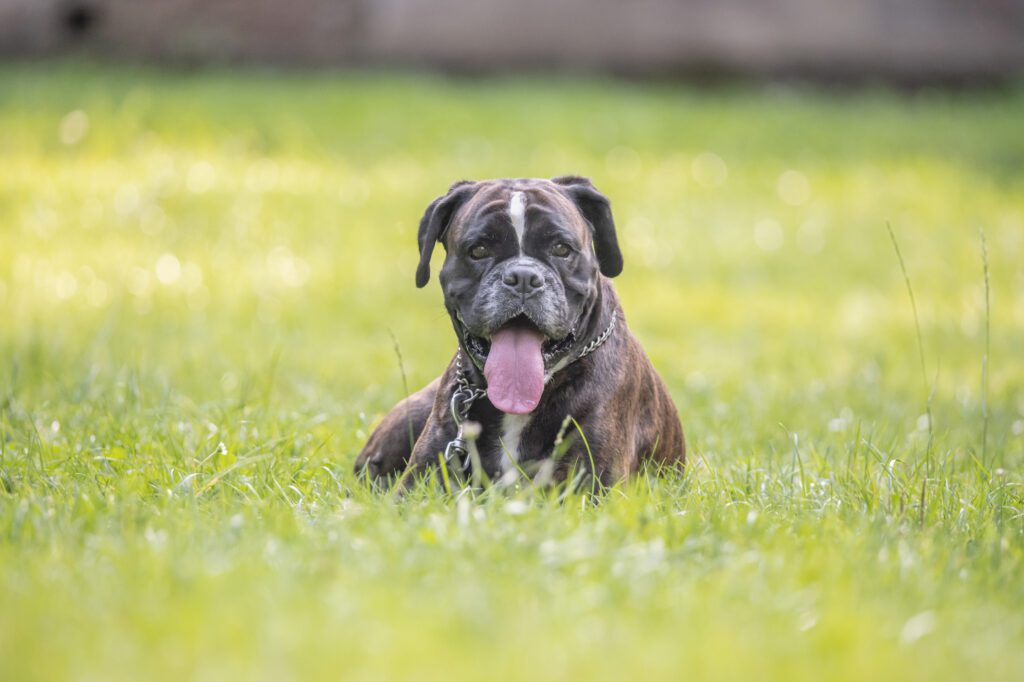
How Should I Train a Boxer?Boxers are intelligent, people focused, and eager to learn. They thrive with short, upbeat sessions that use food rewards, toys, and praise. The breed’s enthusiasm can spill over into jumping, mouthing, and pulling, so early work on impulse control, polite greetings, and loose leash walking is essential. Consistency matters because Boxers read body language and routines quickly. Focus on positive reinforcement and clear structure. Teach sit, down, stay, leave it, go to mat, and recall, then practice those skills around distractions. Add crate training to support safe downtime and house manners. Many families benefit from guided learning with Dog Academy’s online training courses, which cover foundation skills, socialization, leash handling, and practical problem solving tailored to real homes. |
|
The ideal Boxer adopter enjoys daily activity, provides patient guidance, and builds a reliable routine. A secure yard or a well-planned walking schedule helps channel energy in healthy ways. Families with children can succeed when adults supervise play, teach calm greetings, and give the dog regular mental exercise.
Preparation sets everyone up for success. Gather supplies, plan a gradual schedule, and line up training support before your dog comes home. Take time to research, ask clear questions, and choose a Boxer that matches your lifestyle. When you are ready, start your search and learn each step with Dog Academy, then welcome your new companion with confidence.

Introducing a new puppy to your current dog is often an exciting process, and many dogs will become fast friends and eas...
Read More
Rescue dogs can make great companions and can transform your home into something better. These dogs make great pets and ...
Read More
You should never rush to pet a dog. Even dog owners make the mistake of approaching unfamiliar dogs and petting them rig...
Read More
Puppy mill dogs are survivors who have endured extreme hardships in their lives. They have grown up in horrendous, unsan...
Read More
With their wagging tails and comforting presence, adopting a dog can add a unique touch to your life. It’s a heart...
Read More
Older dogs may have a few gray hairs around the edges, but that doesn’t mean they can’t make wonderful companions! T...
Read More