



























































































































































































Introducing a new puppy to your current dog is often an exciting process, and many dogs will become fast friends and eas...
Read MoreAdopt Me
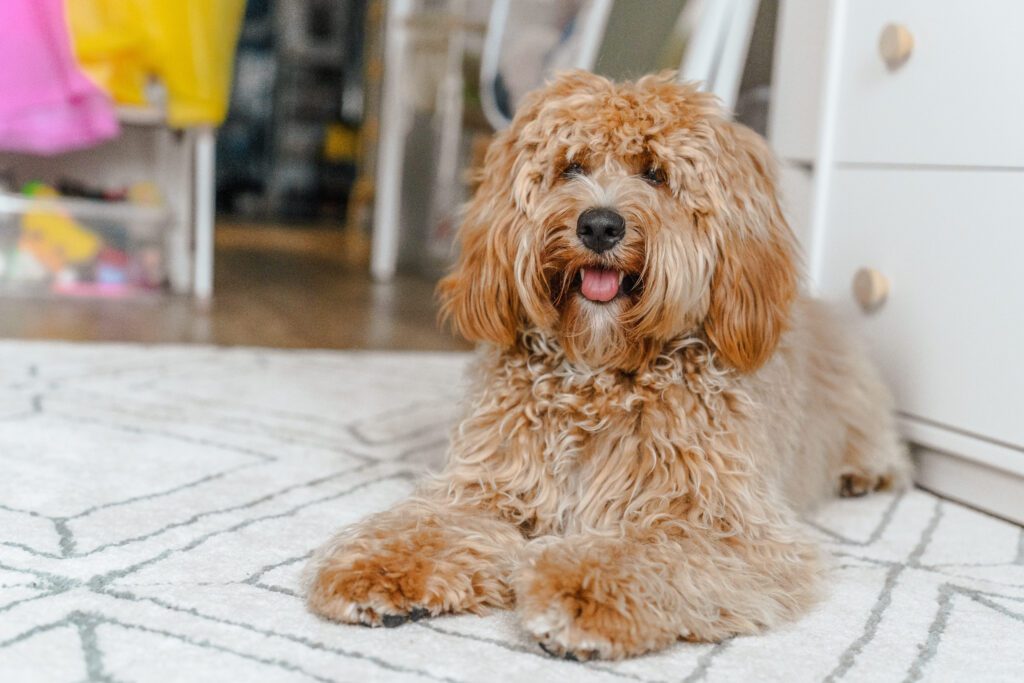
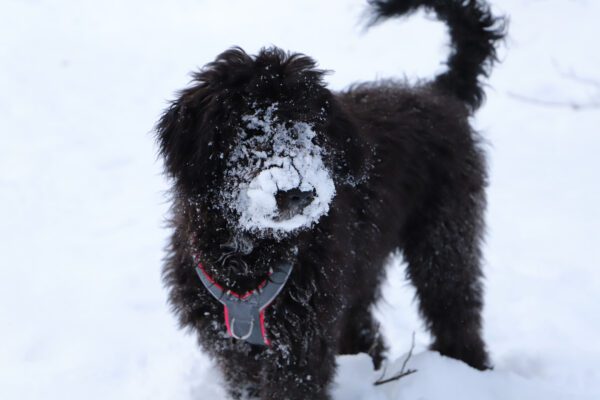
The Bordoodle blends the sharp focus of the Border Collie with the cheerful, low-shedding coat and confidence of the Poodle. This mix is intelligent, affectionate, and eager to engage with people. Many families choose the Bordoodle because the breed learns quickly, enjoys adventure, and bonds closely with children and adults.
Good decisions start with clear research. A Bordoodle needs daily physical exercise and mental work, along with regular grooming. Adoption gives a dog a second chance, supports community-based animal care, and often provides transparency about the dog’s history and needs. Adopting can also reduce demand for commercial breeding, which benefits canine welfare across Alaska and beyond.
Alaska offers wide trails, snow-covered seasons, and long summer days that suit an athletic Bordoodle. The climate can be demanding, which means owners should plan for winter gear, safe traction on ice, and indoor enrichment during storms or dark periods. Remote geography can mean longer drives to veterinarians and trainers. With preparation and routine, a Bordoodle can thrive in Alaska’s active lifestyle.
You can avoid searching rescues and shelters separately by browsing Bordoodle listings in one place through Dog Academy. The platform helps you compare dogs across locations and saves time during the first steps of your search. You can also read guides and adoption checklists that explain paperwork, home preparation, and post-adoption care.
In Alaska, adoptable Bordoodles and similar mixes may appear through local animal shelters, regional rescues, and breed-specific rescue groups. Inventory changes quickly, so it helps to check listings often and set clear criteria for size, coat type, energy level, and temperament. Read each profile closely to confirm exercise needs, grooming requirements, and household fit with children, seniors, or other pets.
The process usually starts by browsing listings, then submitting an application. Applications often request personal references, proof of housing, and information about your household routine. Many groups schedule a meet-and-greet with the dog, which can occur at a shelter, a foster home, or a neutral public space. Home checks may be completed in person or through virtual video to confirm safety, fencing, and secure storage for food and cleaning supplies. Approval timelines vary by group and the dog’s needs, and most adoptions finalize within 1 to 3 weeks when applicants respond quickly.
If your match lives outside your area, rescues may arrange transport between locations. Transport is often arranged by rescues to move dogs between states using volunteer drivers or commercial flights. Adopters usually pay a transport fee, and the dog travels with a health certificate and vaccination records. Pickups often occur at a central meeting point or at a local airport.
|
How Much Does It Cost to Adopt a Bordoodle in Alaska?Most adopters in Alaska pay about $300 to $550 for an adult Bordoodle, while puppies typically range from $450 to $650. Costs trend higher in Alaska due to veterinary prices, preventive care, and occasional transport to the state. Fees usually include spaying or neutering, vaccinations, microchipping, and veterinary exams. Many groups also cover deworming and flea and tick prevention, and some include a short-term supply of food or a starter leash and collar. Age, training, medical care, and demand all affect pricing. Puppies and young adults often cost more due to high demand. Dogs that receive professional training or behavior support may carry a higher fee that reflects that investment. Medical care such as dental work, orthopedic evaluations, or allergy treatment can also influence the final amount. |
How Should I Train a Bordoodle?The Bordoodle is highly intelligent and responds fast to positive reinforcement. Short, upbeat sessions that use clear markers, high-value food rewards, and structured play build focus and confidence. Daily mental work matters as much as physical exercise, so plan puzzle toys, scent games, and basic obedience that rotate throughout the week. A consistent routine helps the dog settle during long winter nights and busy summer days. Common challenges include herding tendencies like nipping and chasing, vocalizing when bored, and sensitivity to harsh corrections. Reward calm behavior, teach reliable recall and leave-it, and practice impulse control through sit, wait, and loose-leash walking. Begin early socialization with controlled exposures to people, dogs, vehicles, and winter gear. For step-by-step guidance, explore Dog Academy’s online training courses, which provide lesson plans for puppies, newly adopted dogs, and active family companions. |
|
The ideal owner enjoys daily activity, values mental enrichment, and commits to regular brushing and coat care. A Bordoodle fits best with people who like hiking, snowshoeing, or long urban walks and who can balance exercise with calm time indoors. A secure yard, safe winter traction, and reliable recall training will help your dog stay safe in Alaska’s changing conditions.
Prepare your home before you apply, gather supplies, and confirm a veterinary plan for preventive care. Take your time, ask clear questions, and wait for the right match. With thoughtful research and steady training, you can adopt a Bordoodle in Alaska and enjoy a loyal, energetic partner for years to come.

Introducing a new puppy to your current dog is often an exciting process, and many dogs will become fast friends and eas...
Read More
Rescue dogs can make great companions and can transform your home into something better. These dogs make great pets and ...
Read More
You should never rush to pet a dog. Even dog owners make the mistake of approaching unfamiliar dogs and petting them rig...
Read More
Puppy mill dogs are survivors who have endured extreme hardships in their lives. They have grown up in horrendous, unsan...
Read More
With their wagging tails and comforting presence, adopting a dog can add a unique touch to your life. It’s a heart...
Read More
Older dogs may have a few gray hairs around the edges, but that doesn’t mean they can’t make wonderful companions! T...
Read More