



























































































































































































Introducing a new puppy to your current dog is often an exciting process, and many dogs will become fast friends and eas...
Read MoreAdopt Me
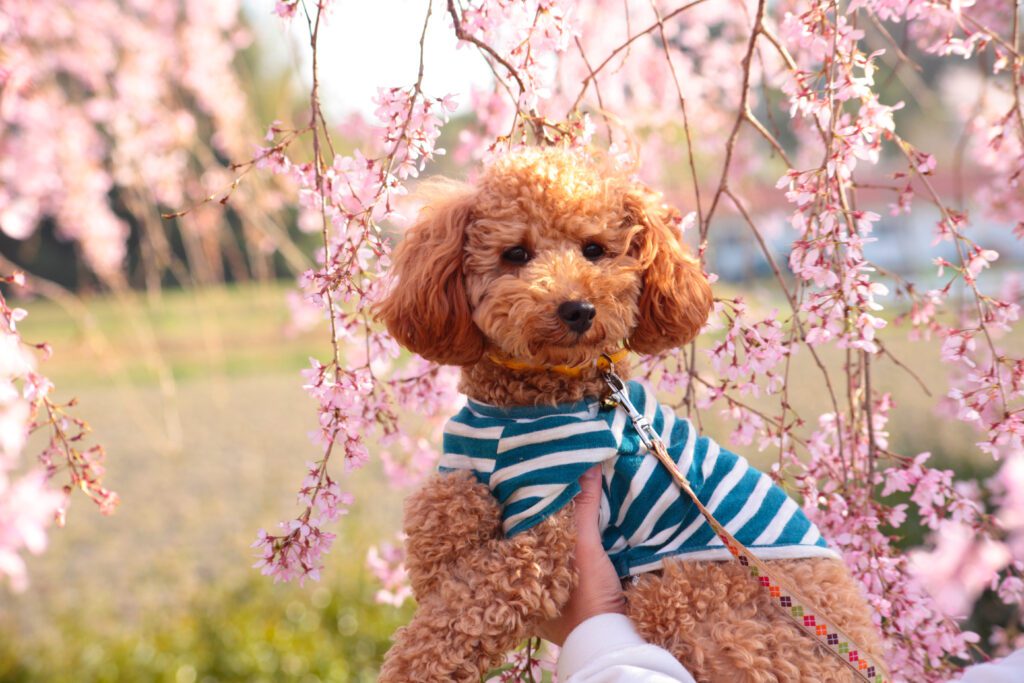
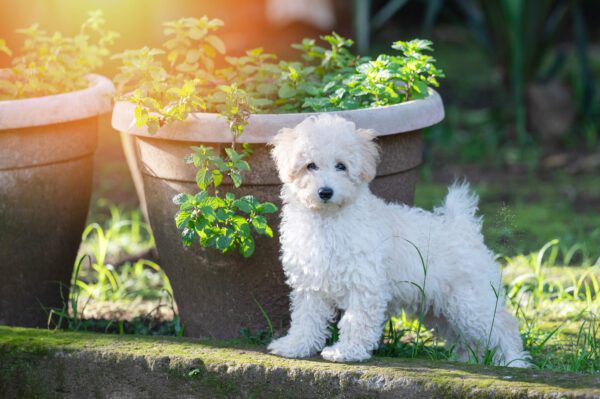
The Bichon Poodle, often called a Bichpoo or Poochon, is a cheerful, people-focused companion. This small dog combines the friendly charm of the Bichon Frise with the keen intelligence of the Poodle. Families love the affectionate nature, light shedding coat, and playful energy. Many Bichon Poodles thrive with children and other pets when introductions stay calm and structured.
Adoption works best when you do careful research before bringing a dog home. Learning about daily grooming, exercise needs, and temperament sets your household up for success. Choosing adoption gives a dog a second chance, reduces demand for irresponsible breeding, and often includes essential veterinary care that helps you start strong.
Alaska offers fresh air, open spaces, and an active lifestyle. The climate can challenge a small dog, especially during long, cold winters. The Bichon Poodle does not have a heavy insulating coat, so winter walks require a warm jacket and paw protection. Indoor enrichment matters when daylight is short and sidewalks are icy. Travel distance and rural geography can limit grooming options, so plan for reliable at-home brushing and scheduled professional grooms. With preparation, this adaptable breed can fit urban apartments, suburban homes, and rural cabins across Alaska.
You can avoid searching shelters and rescues one by one by using curated listings on Dog Academy. You can browse adoptable dogs, learn about each dog’s needs, and use checklists and guides that prepare your home and family. You can then contact the listing organization to begin the process with confidence.
Adoptable Bichon Poodles appear through local animal shelters, regional rescues, breed-specific rescue groups, and foster-based networks. Alaska has a smaller population, so availability can vary by season. If a match does not appear right away, you can widen your search to nearby regions. Many rescues coordinate transport to bring adoptable dogs to Alaska when the fit is right.
The process usually starts with browsing listings and submitting an application. Applications ask about your schedule, home environment, experience with dogs, and grooming and training plans. They often request landlord approval when you rent, plus personal or veterinary references. Clear and complete answers help screeners match you with a dog that fits your lifestyle.
After the application review, you may receive a phone interview followed by a meet-and-greet. Meetings can take place at a shelter, in a foster home, or at a neutral public space. If the dog lives out of town, a virtual meet-and-greet can help you assess temperament and energy level. Some groups perform a home check to confirm safe fencing, secure doors, and a suitable space for rest and feeding. Approval timelines vary, though many placements move from application to adoption within 1 to 3 weeks.
Transport sometimes supports placements across long distances. Rescues may arrange transport between locations using volunteer drivers, ground transport services, or flights. Transport usually requires a health certificate, an appropriate travel crate, and weather-safe scheduling. Coordinators communicate costs, routes, and pickup details in advance so that adopters can plan with certainty.
|
How Much Does It Cost to Adopt a Bichon Poodle in Alaska?A realistic adoption fee for a Bichon Poodle in Alaska typically falls between $250 and $450. Puppies and highly social adults often sit at the top of this range because demand is strong and early veterinary care can be extensive. Mature dogs may be closer to the middle of the range if care needs are known and training is underway. Fees often include spaying or neutering, vaccinations, microchipping, and veterinary exams. Some groups also provide a starter bag of food or a collar and leash, which can influence price. Costs vary based on age, training level, medical history, and regional demand. Transport can add a separate expense if a dog travels from another region. Weather, distance, and crate requirements can affect that transport cost. Always ask for an itemized breakdown so that you understand what the fee covers and what you will need to budget after adoption. |
How Should I Train a Bichon Poodle?The Bichon Poodle learns quickly and enjoys pleasing people. Positive reinforcement works best. You can reward calm behavior, capture good choices, and use short sessions that keep the dog focused. Consistent routines help this smart breed understand house rules and build confidence. Common challenges include house training, demand barking, and mild separation anxiety. Alaska’s cold weather can make bathroom breaks difficult for small dogs. You can use a clear potty schedule, high-value rewards, and quick trips outside to build reliable habits. You can teach a quiet cue to manage barking and provide enrichment like food puzzles and scent games to reduce boredom. Gentle crate training and predictable departures help ease alone time. You can build skills step by step with Dog Academy’s online training courses. Courses cover foundations like sit, down, stay, loose-leash walking, and recall. You also learn grooming handling so that brushing, nail trims, and ear care feel safe and calm. A structured plan gives your Bichon Poodle a strong start in every Alaska season. |

|
The ideal adopter enjoys daily interaction, patient training, and regular grooming. A Bichon Poodle thrives with people who commit to short walks, indoor play, and mental enrichment. Families that work from home or that can use dog walkers or trusted neighbors often see the best results.
Preparation makes adoption smooth. Gather supplies, set a routine, and confirm grooming access before your dog arrives. Take your time, ask clear questions, and work with groups that prioritize the dog’s well-being. When you adopt a Bichon Poodle in Alaska thoughtfully, you gain a loyal friend who brightens winter days and loves every summer adventure.

Introducing a new puppy to your current dog is often an exciting process, and many dogs will become fast friends and eas...
Read More
Rescue dogs can make great companions and can transform your home into something better. These dogs make great pets and ...
Read More
You should never rush to pet a dog. Even dog owners make the mistake of approaching unfamiliar dogs and petting them rig...
Read More
Puppy mill dogs are survivors who have endured extreme hardships in their lives. They have grown up in horrendous, unsan...
Read More
With their wagging tails and comforting presence, adopting a dog can add a unique touch to your life. It’s a heart...
Read More
Older dogs may have a few gray hairs around the edges, but that doesn’t mean they can’t make wonderful companions! T...
Read More