



























































































































































































Introducing a new puppy to your current dog is often an exciting process, and many dogs will become fast friends and eas...
Read MoreAdopt Me

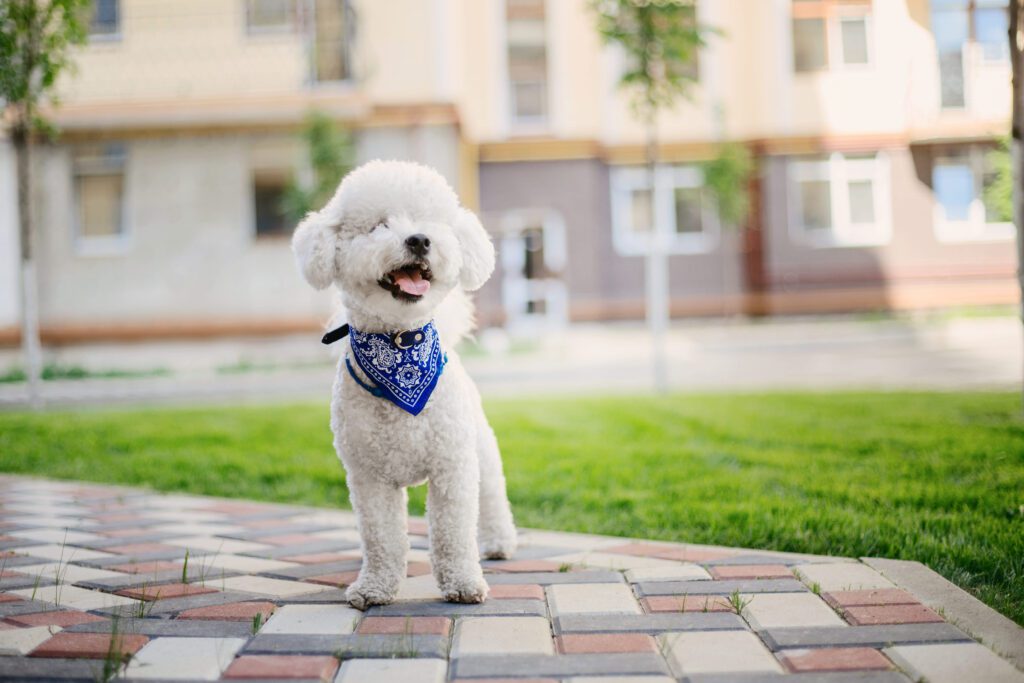
The Bichon Frise is a cheerful companion with a soft, low-shedding coat and a friendly, people-focused nature. This breed thrives on attention, enjoys playtime, and settles happily in a cozy lap. A Bichon Frise suits first-time adopters and experienced dog lovers who want an affectionate indoor dog with moderate exercise needs.
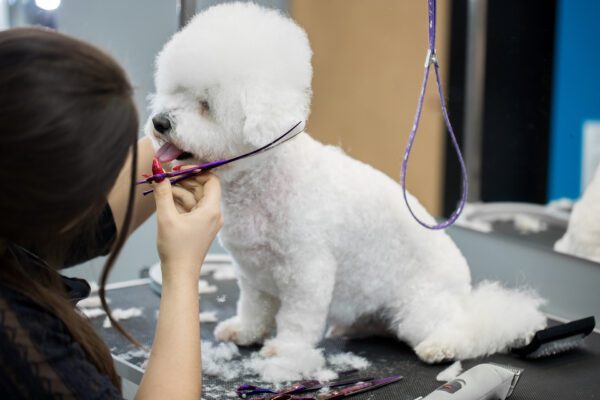
Research helps every adopter understand grooming, activity, and training needs before bringing a dog home. A Bichon Frise requires regular brushing and professional grooming to keep the coat clean and comfortable. Consistent training and enrichment prevent boredom and encourage polite manners. Careful planning leads to a smooth transition and a happy match.
Adoption gives a dog a second chance and helps ease overcrowding in shelters and rescues across California. The state’s coastal areas offer a mild climate that suits daily walks, while inland and desert regions bring summer heat that requires early or late outings and careful paw protection. Apartment living, suburban neighborhoods, and active city lifestyles can all work well for a Bichon Frise when daily companionship and routine are provided.
You can avoid searching rescues and shelters separately by using Dog Academy to browse current adoption listings in one place. Dog Academy also provides clear educational guides and adoption checklists so you understand every step before you apply. Centralized listings make it easier to compare dogs, ask questions, and move forward with confidence.
Adoptable Bichon Frises appear through local animal shelters, regional rescues, and breed-specific rescue groups. You improve your chances when you check listings across multiple California regions. Most listings include age, size, temperament notes, and medical updates. Read each profile closely so you can focus on dogs that fit your experience, daily schedule, and household.
The process usually starts with an online application that collects basic information, references, and proof of housing permission when required. Many groups schedule a phone interview to learn about your routine and training plans. Meet-and-greets allow all household members and resident pets to interact with the dog. Some groups complete a home check in person or by video to confirm safety, secure fencing where relevant, and a plan for daily care.
Approval timelines vary, but many adoptions finalize within 3 to 14 days after the meet-and-greet and home check. Puppies or high-demand dogs can take longer because groups receive more applications. After approval, you sign an adoption agreement and pay the fee, then set a pickup date. Some rescues arrange transport between California cities or neighboring states using volunteer drivers or professional partners once you are approved. Transport usually carries a modest additional fee that covers fuel, supplies, and coordination.
|
How Much Does It Cost to Adopt a Bichon Frise in California?A realistic adoption fee for a Bichon Frise in California typically ranges from $300 to $550. Many adult dogs fall between $350 and $500, seniors trend toward the lower end, and puppies are often at the higher end because of higher demand and recent veterinary care. Fees commonly include spaying or neutering, vaccinations, microchipping, and veterinary exams. Some groups also include dental cleanings or training support when medical or behavioral needs require it. Age, training level, medical history, and regional demand influence the fee. A dog that has completed basic training or received specialized medical treatment may carry a slightly higher cost because the group already invested in that care. Urban areas with higher operating expenses can also affect pricing. Always ask for an itemized list of what the fee covers so you understand the value provided. |
How Should I Train a Bichon Frise?The Bichon Frise is intelligent, eager to please, and sensitive to tone. Positive reinforcement with treats, toys, and praise works best. House training can be challenging for a small dog with a tiny bladder, so you help your dog succeed with a strict schedule, frequent outdoor breaks, and immediate rewards for eliminating outside. Consistent crate training supports house manners and provides a safe, calm resting place. Many Bichon Frises love to alert bark, especially when visitors arrive or when they feel bored. Calm greetings, daily enrichment, and teaching a quiet cue reduce unwanted noise. Early socialization and gentle grooming practice prevent anxiety during brushing, baths, and nail care. If you want expert guidance you can follow at home, explore Dog Academy’s online training courses for step-by-step plans on house training, loose-leash walking, polite greetings, and separation training. |

|
An ideal adopter for a Bichon Frise enjoys daily companionship, short walks, and regular grooming. Families, retirees, and city dwellers often do well when they keep a predictable routine and offer kind, reward-based training. A Bichon Frise wants to be part of the household and thrives when someone is home for a good portion of the day.
Preparation sets you and your dog up for success. Take time to research, gather supplies, and plan a gentle transition week at home. Move at a thoughtful pace, ask questions, and choose the dog whose needs match your lifestyle. With careful planning and the right resources, you can adopt a Bichon Frise in California and enjoy a joyful, lasting bond.

Introducing a new puppy to your current dog is often an exciting process, and many dogs will become fast friends and eas...
Read More
Rescue dogs can make great companions and can transform your home into something better. These dogs make great pets and ...
Read More
You should never rush to pet a dog. Even dog owners make the mistake of approaching unfamiliar dogs and petting them rig...
Read More
Puppy mill dogs are survivors who have endured extreme hardships in their lives. They have grown up in horrendous, unsan...
Read More
With their wagging tails and comforting presence, adopting a dog can add a unique touch to your life. It’s a heart...
Read More
Older dogs may have a few gray hairs around the edges, but that doesn’t mean they can’t make wonderful companions! T...
Read More