


























































































































































































Introducing a new puppy to your current dog is often an exciting process, and many dogs will become fast friends and eas...
Read MoreAdopt Me
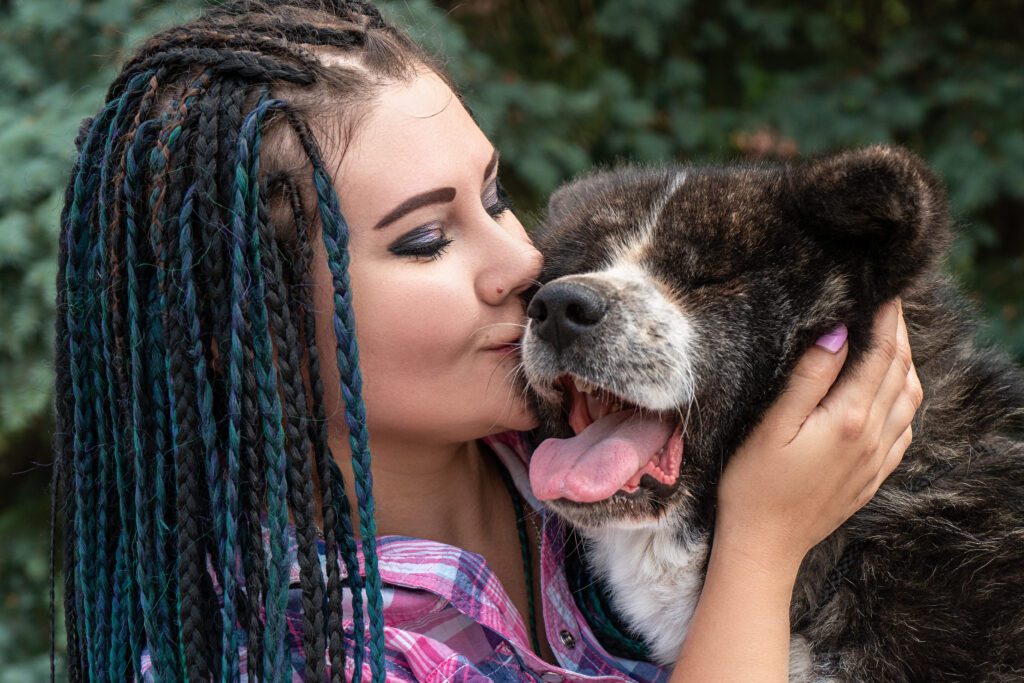

Akitas are dignified, loyal, and deeply devoted to their families. The breed’s calm confidence and protective nature make Akitas appealing to experienced dog owners who value a steady companion with a strong sense of loyalty. Thoughtful research matters before adoption because Akitas are large, powerful, and independent, and they need consistent training, careful socialization, and clear household rules.
Adoption is a smart choice because it gives a deserving dog a second chance while helping shelters and rescues serve more animals. Many Akitas in rescue settings are already house-trained, vetted, and assessed for temperament, which helps new owners start strong. Alaska offers a great fit for Akitas because the dense double coat handles cold temperatures, wind, and snow. Long winters and remote areas can create challenges, so adopters should plan reliable indoor enrichment, safe winter exercise, and steady access to veterinary care. Rural and suburban homes with secure fencing work well, and urban living can also succeed when owners commit to daily exercise, training, and mental stimulation.
You can avoid searching shelters and rescues one by one by browsing listings through Dog Academy, which brings adoptable dogs together in one place. You can also use Dog Academy resources to study breed traits, follow practical adoption checklists, and prepare for the first week at home. Beyond online listings, you can find adoptable Akitas through local animal shelters, regional rescues, foster-based groups, and breed-specific rescue groups that focus on Akitas or similar northern breeds.
Start by reviewing profiles carefully. Read about age, size, activity level, and behavior notes, and match those details to your lifestyle and Alaska’s conditions. Submit an application that includes information about your home, your schedule, and your experience with large or independent breeds. Many groups ask for references and landlord approval when you rent. Be honest and thorough because clear information speeds up approvals.
After an application review, most organizations schedule a meet-and-greet. Some meetings happen at the shelter, and some meetings happen in a foster home. Many groups complete a home check, which can be in person or virtual. A home check confirms safe fencing, secure trash storage, and a plan for cold-weather exercise and indoor enrichment during storms. Approval timelines vary, but many adopters receive a decision within 1 to 3 weeks depending on references, availability of volunteers, and the dog’s needs.
Alaska’s distance between cities means you might not find the right dog nearby. Rescues sometimes arrange transport between locations to move dogs from crowded regions to approved adopters. Transport may involve ground travel or flights, and adopters usually meet at a pickup site or the airport. Ask for clear details about schedules, costs, and handoff procedures so you know exactly how your dog will arrive.

|
How Much Does It Cost to Adopt a Akita in Alaska?Most adopters in Alaska can expect to pay $300 to $550 to adopt an Akita, with puppies or dogs that include recent training packages sometimes reaching $600 to $700. Costs in Alaska trend slightly higher than the national average because large-breed veterinary care, transport logistics, and food expenses are higher in remote or cold regions. Adoption fees usually include spaying or neutering, vaccinations, microchipping, and veterinary exams. Fees also reflect age, training history, medical care, and demand for the breed. Senior Akitas or dogs with ongoing medical needs may have lower fees or sponsored support, while younger dogs with completed obedience training, recent dental cleanings, or specialized behavior work may sit at the top of the range. |
How Should I Train a Akita?Akitas are intelligent and thoughtful, yet they are also independent and strong-willed. The breed learns quickly when training is clear, calm, and consistent. Early socialization to friendly people, well-matched dogs, and common environments builds confidence. Focus on leash manners, impulse control, and reliable handling skills that keep everyone safe in snowy streets and on icy trails. Use positive reinforcement. Reward good choices with food, toys, and praise. Keep sessions short and productive. Avoid harsh corrections because they damage trust and reduce learning. Many Akitas show a strong prey drive and may not enjoy unfamiliar dogs, especially dogs of the same sex, so teach a solid heel, a strong leave-it, and a safe greeting routine. Supervise yard time with a secure fence and practice recall with a long line in safe areas. If you want step-by-step help, enroll in Dog Academy’s online training courses. You can follow structured lessons for obedience, leash skills, and socialization that fit busy Alaska schedules. Courses include coaching on real-life routines, which helps you reinforce training during winter when indoor games and mental work keep an Akita satisfied. |
|
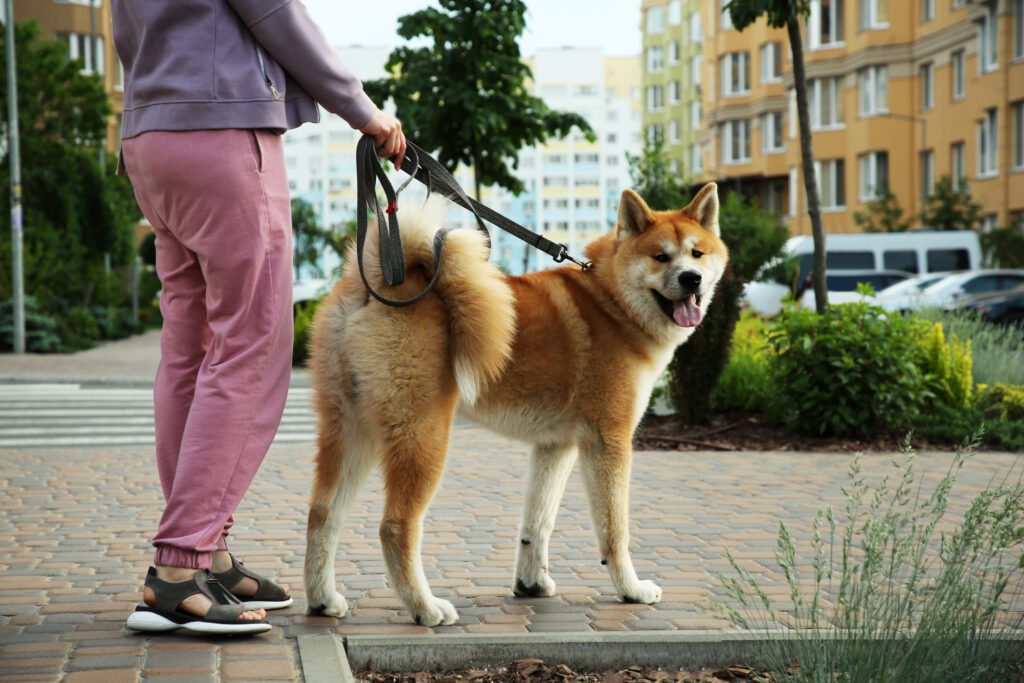
The ideal Akita adopter is a calm, confident owner who enjoys daily structure, consistent training, and thoughtful socialization. A home with secure fencing, time for exercise, and a plan for enrichment during long winters sets the stage for success. Regular grooming to manage seasonal shedding and routine vet care keep an Akita healthy in Alaska’s climate.
Take your time, ask detailed questions, and prepare your home before you bring a dog home. When you understand the breed’s needs and the realities of Alaska life, you can adopt with confidence and welcome a loyal, resilient companion who fits your family for years to come.

Introducing a new puppy to your current dog is often an exciting process, and many dogs will become fast friends and eas...
Read More
Rescue dogs can make great companions and can transform your home into something better. These dogs make great pets and ...
Read More
You should never rush to pet a dog. Even dog owners make the mistake of approaching unfamiliar dogs and petting them rig...
Read More
Puppy mill dogs are survivors who have endured extreme hardships in their lives. They have grown up in horrendous, unsan...
Read More
With their wagging tails and comforting presence, adopting a dog can add a unique touch to your life. It’s a heart...
Read More
Older dogs may have a few gray hairs around the edges, but that doesn’t mean they can’t make wonderful companions! T...
Read More