


























































































































































































Introducing a new puppy to your current dog is often an exciting process, and many dogs will become fast friends and eas...
Read MoreAdopt Me

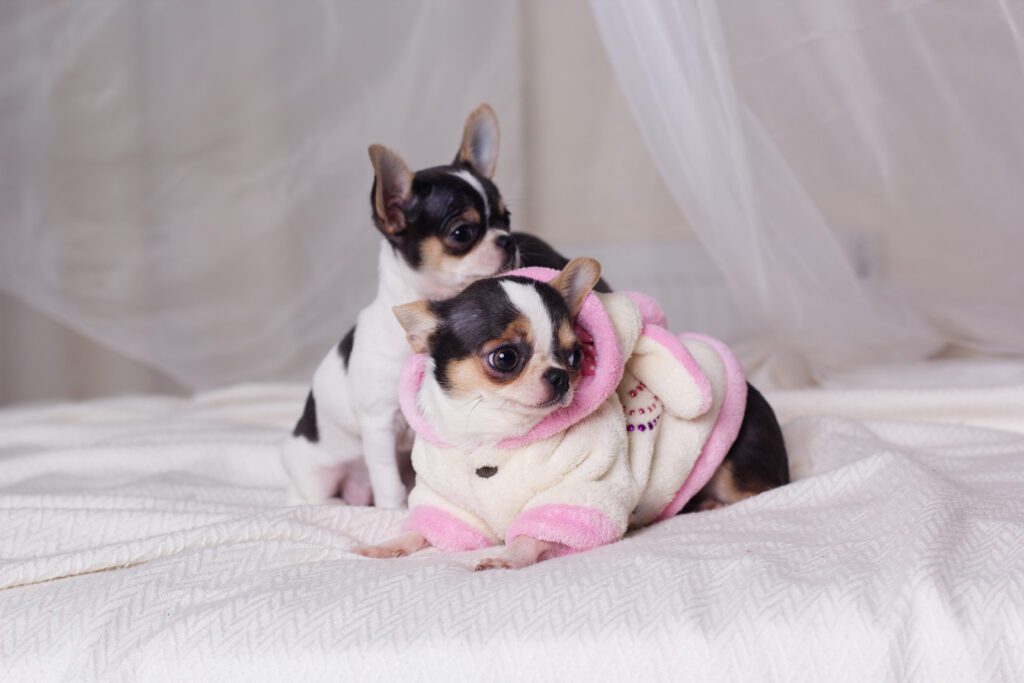


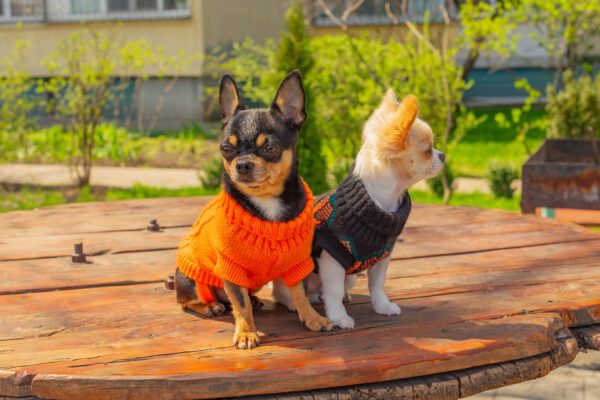
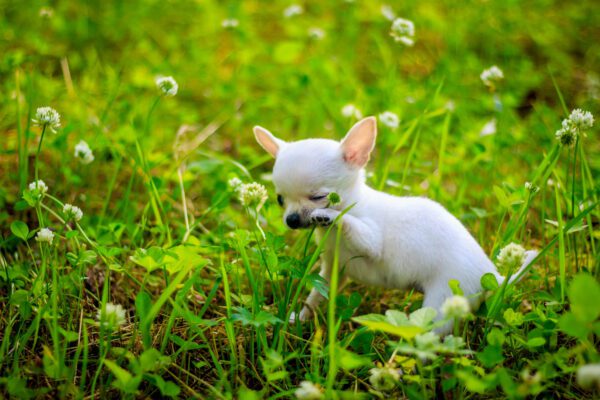
A Teacup Chihuahua is tiny, spirited, and deeply loyal. This petite companion forms strong bonds, enjoys lap time, and often believes it is the biggest dog in the room. The breed’s compact size suits apartments and city living, yet consistent training and gentle handling remain essential.
Thoughtful research protects both you and the dog. The term teacup usually refers to an exceptionally small Chihuahua, which can come with special care needs. Adoption supports responsible placement, gives a dog a second chance, and often includes health screening that helps you understand the dog’s needs before you bring the dog home.
California offers many positives for this breed. The mild climate benefits small dogs that dislike cold, though morning fog, ocean breezes, and strong air conditioning can still chill a tiny pup. Hot inland summers require careful heat management and frequent shade and water breaks. Urban neighborhoods and walkable suburbs suit short legs, while open foothills and coastal trails require extra vigilance due to raptors and other wildlife. A soft harness, a secure carrier, and close supervision keep a Teacup Chihuahua safe in every region of the state.
You can avoid searching rescues and shelters one by one by using Dog Academy to browse current adoption listings across California. The platform aggregates adoptable dogs from local animal shelters, regional rescues, and breed-specific rescue groups in a single place. You can also use Dog Academy guides and adoption checklists to prepare your home, plan introductions, and organize supplies.
Start by browsing listings and using filters for age, size, and distance. Read each profile carefully. A good profile explains temperament, energy level, medical notes, and home requirements. Look for information about house training, comfort with children, compatibility with other pets, and any handling sensitivities common to very small dogs.
When you find a good match, submit an application. Most organizations ask for a completed form, references, proof of housing permission, and a photo ID. Many groups complete basic screening in 3 to 7 days. High-demand small dogs can take 7 to 14 days due to volume. Some rescues also coordinate transport to move dogs between locations when the best foster or adopter is in another area. Transport is often arranged by rescues to move dogs between states or regions using volunteer drivers or professional carriers who follow safety protocols.
Approved applicants usually attend a meet-and-greet. You should observe the dog’s comfort with touch, handling, and harnessing. A home check can be virtual or in person to confirm safety for a tiny dog. A safe home has secured fences, blocked gaps on balconies, covered stair railings, and a plan for temperature control. After approval, you sign the contract, pay the fee, and schedule pickup. Many groups provide a brief trial period to ensure a solid fit.
|
How Much Does It Cost to Adopt a Teacup Chihuahua in California?In California, the typical adoption fee for a Teacup Chihuahua ranges from $250 to $600. Puppies and highly social young adults tend to land near the top of the range due to demand and recent veterinary care. Seniors and dogs with manageable medical needs can be closer to the lower end when groups offer subsidies to encourage adoption. Fees reflect included care such as spaying or neutering, vaccinations, microchipping, and veterinary exams. Fees can rise when a dog receives dental cleanings, bloodwork, or specialized care needed for tiny dogs before adoption. Age, training, medical history, and demand influence the fee. A well-mannered adult with recent dental work, up-to-date vaccines, and professional foster training often costs more than a dog that still needs basic skills. Transparent listings will explain which services are included so you can budget with confidence. |
How Should I Train a Teacup Chihuahua?Chihuahuas are bright, observant, and motivated by food and praise. Short sessions, clear cues, and generous rewards work best. Focus on calm handling, name recognition, and recall. Keep sessions to 3 to 5 minutes and practice several times a day to build success without fatigue. Common challenges include barking at doorways, reactivity on leash, and slow house training due to a tiny bladder. Use positive reinforcement to reward quiet behavior, relaxed focus, and outdoor potty success. A consistent schedule, frequent potty breaks, and a small indoor potty area can prevent accidents. Always use a soft harness rather than a collar to protect the trachea. Teach a settle cue on a mat, add gentle socialization with friendly people and calm dogs, and build confidence with simple enrichment games. You can build skills step by step with Dog Academy’s online training courses. The courses cover puppy foundations, small-dog manners, loose-leash walking, and polite greetings. Lessons are bite-sized and easy to practice at home, which suits the short attention span of a tiny companion. |

|
The ideal adopter enjoys a close companion, lives in a home that can manage temperature and height risks, and commits to gentle training. Households with dog-savvy older children or calm adults do best. Daily walks can be short, yet mental enrichment and routine matter every day.
Take your time, prepare your home, and stay open to age and color to widen your options. Use Dog Academy to review current listings, read clear profiles, and follow step-by-step guidance. The right Teacup Chihuahua is out there, and a thoughtful process will help you welcome a tiny friend who thrives in California.

Introducing a new puppy to your current dog is often an exciting process, and many dogs will become fast friends and eas...
Read More
Rescue dogs can make great companions and can transform your home into something better. These dogs make great pets and ...
Read More
You should never rush to pet a dog. Even dog owners make the mistake of approaching unfamiliar dogs and petting them rig...
Read More
Puppy mill dogs are survivors who have endured extreme hardships in their lives. They have grown up in horrendous, unsan...
Read More
With their wagging tails and comforting presence, adopting a dog can add a unique touch to your life. It’s a heart...
Read More
Older dogs may have a few gray hairs around the edges, but that doesn’t mean they can’t make wonderful companions! T...
Read More