




























































































































































































Introducing a new puppy to your current dog is often an exciting process, and many dogs will become fast friends and eas...
Read MoreAdopt Me

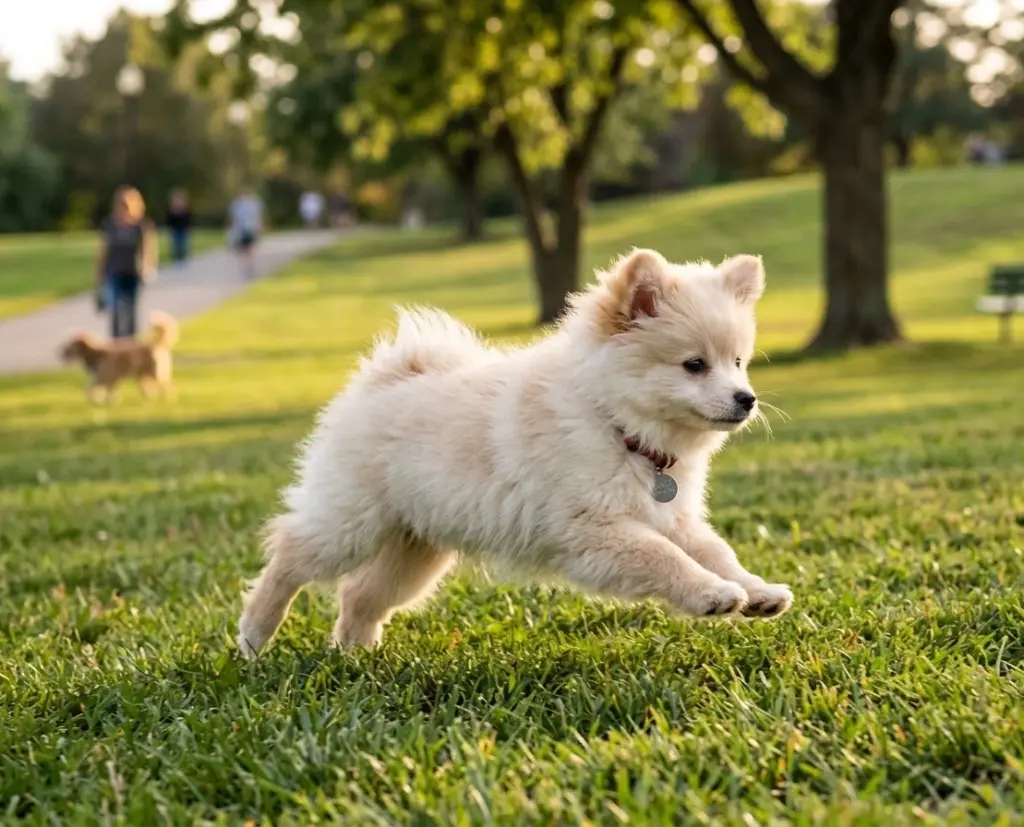

A Pomapoo is a cheerful, people-oriented mix of Pomeranian and Poodle. This small companion is affectionate, clever, and eager to please. Many Pomapoos enjoy moderate activity, quick learning sessions, and plenty of cuddle time. Coats vary from fluffy to wavy, and shedding can range from low to moderate depending on the individual dog.
Thoughtful research helps you adopt a dog that truly fits your life. A Pomapoo typically needs daily exercise, frequent mental enrichment, and routine grooming. Many dogs thrive in calm, predictable homes with consistent schedules. Adoption gives a dog a second chance, and it supports animal welfare while often including valuable veterinary care.
California offers year-round outdoor opportunities, but climate and geography require planning. Coastal areas are mild and windy, while inland valleys and deserts can reach high heat. A small dog needs shade, water, and paw protection during hot months. Urban living suits many Pomapoos, though busy city noise may require desensitization. Suburban homes and quieter towns also work well when daily exercise and training are consistent.
You can avoid searching shelters and rescues one by one by browsing adoptable dogs on Dog Academy. You can view listings from local animal shelters, regional rescues, and breed-specific rescue groups in one place. You can also use Dog Academy guides and adoption checklists to prepare your home, plan your budget, and organize your first week with a new dog.
California offers many paths to adoption. You can find Pomapoos through local animal shelters, regional rescues, and foster-based groups. Some organizations serve multiple counties. Transport is often arranged by rescues to move dogs between locations when a match is found, and transport typically follows safety protocols and health requirements.
The process usually begins with browsing listings and submitting an application. Applications often request proof of housing rules, veterinary references, and details about your schedule. Next comes a meet-and-greet to confirm temperament and compatibility with children or resident pets. Home checks can be virtual or in person and verify safe spaces, secure fencing, and balcony protections for small dogs. Approval timelines vary by group and can range from a few days to 2 weeks, depending on responsiveness, foster availability, and veterinary scheduling.
Set yourself up for a smooth transition by understanding Pomapoo needs before you apply. Many Pomapoos do well with 30 to 45 minutes of daily exercise broken into short walks and play. Regular enrichment, like food puzzles and scent games, helps prevent boredom. Grooming can include brushing several times per week and professional sessions every 4 to 8 weeks, depending on coat type. A clear plan for training, alone time, and potty schedules helps your new dog settle quickly.
|
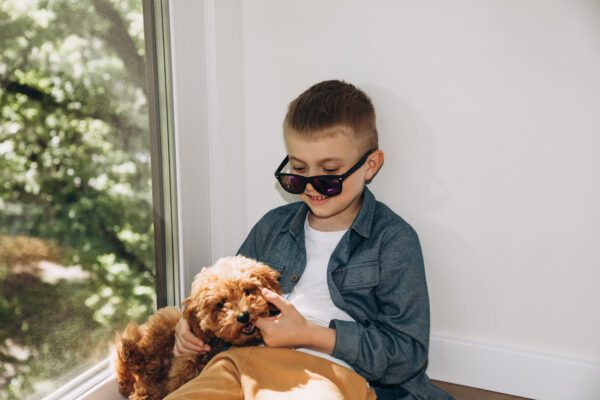
How Much Does It Cost to Adopt a Pomapoo in California?In California, adopting a Pomapoo typically costs $250 to $600. Fees tend to run higher for puppies due to demand and recent medical care, while adults and seniors often cost less. Many organizations include spaying or neutering, vaccinations, microchipping, and veterinary exams in the fee. Costs can also reflect recent dental cleanings, grooming, or training investments. Final pricing varies with age, training, medical history, and local demand. Coastal metro areas may list slightly higher fees due to operating costs. You can ask the group for an itemized breakdown so you understand what your fee covers, and you can budget for post-adoption supplies and follow-up care. |
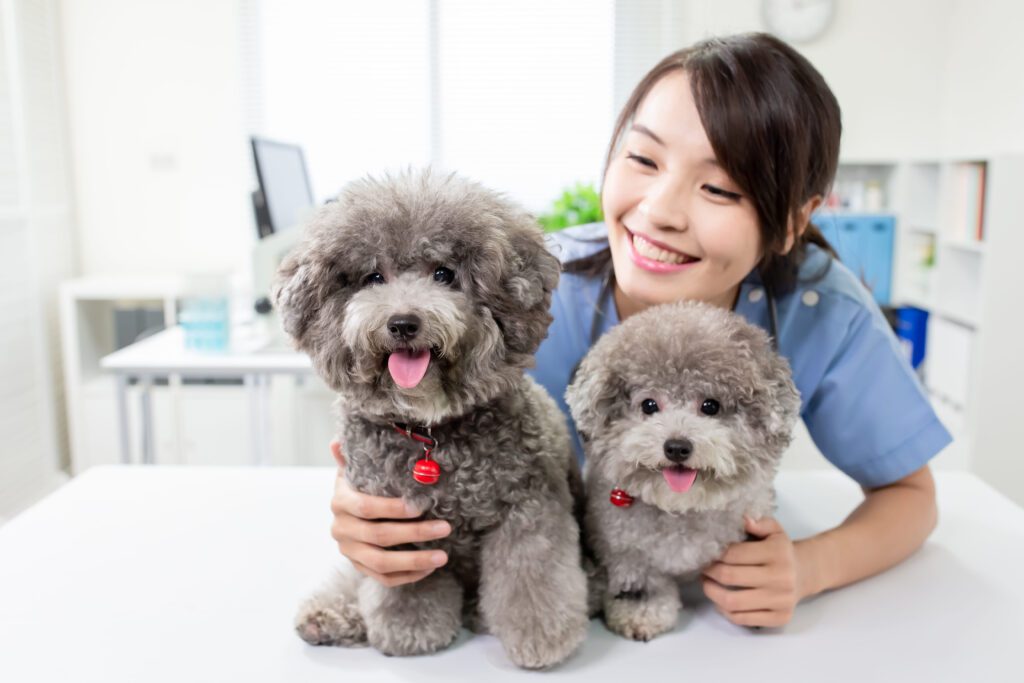
How Should I Train a Pomapoo?Pomapoos are bright, sensitive, and highly motivated by praise and treats. Positive reinforcement builds confidence, speeds learning, and strengthens your bond. Short sessions help a small dog stay focused, and clear cues reduce confusion. Reward calm behavior, capture polite greetings, and reinforce a reliable recall. Common challenges include alert barking, potty training setbacks, and difficulty with alone time. You can manage barking by rewarding quiet moments, increasing mental enrichment, and introducing structured decompression after walks. You can improve house training by using a consistent schedule, frequent outdoor breaks, and careful supervision indoors. You can prevent separation stress by teaching gradual independence, using enrichment feeders, and keeping departures low key. For step-by-step support, explore Dog Academy’s online training courses. You can follow easy lessons for basic manners, crate training, loose-leash walking, and confidence building. You can also get guidance tailored to small-breed needs so your Pomapoo learns safely and happily. |
|
A Pomapoo fits best with adopters who want a loving, clever, small companion and who can provide daily exercise, enrichment, and grooming. Families, singles, and retirees can succeed when time and structure are consistent. A flexible schedule or reliable dog care plan helps a small dog feel secure.
Preparation leads to a smooth adoption. You can gather supplies, choose a veterinarian, plan training, and set a realistic budget. Take time to research, meet multiple dogs, and ask thorough questions. When you find the right match, you will welcome a Pomapoo that thrives in your California home for years to come.

Introducing a new puppy to your current dog is often an exciting process, and many dogs will become fast friends and eas...
Read More
Rescue dogs can make great companions and can transform your home into something better. These dogs make great pets and ...
Read More
You should never rush to pet a dog. Even dog owners make the mistake of approaching unfamiliar dogs and petting them rig...
Read More
Puppy mill dogs are survivors who have endured extreme hardships in their lives. They have grown up in horrendous, unsan...
Read More
With their wagging tails and comforting presence, adopting a dog can add a unique touch to your life. It’s a heart...
Read More
Older dogs may have a few gray hairs around the edges, but that doesn’t mean they can’t make wonderful companions! T...
Read More