

























































































































































































Introducing a new puppy to your current dog is often an exciting process, and many dogs will become fast friends and eas...
Read MoreAdopt Me

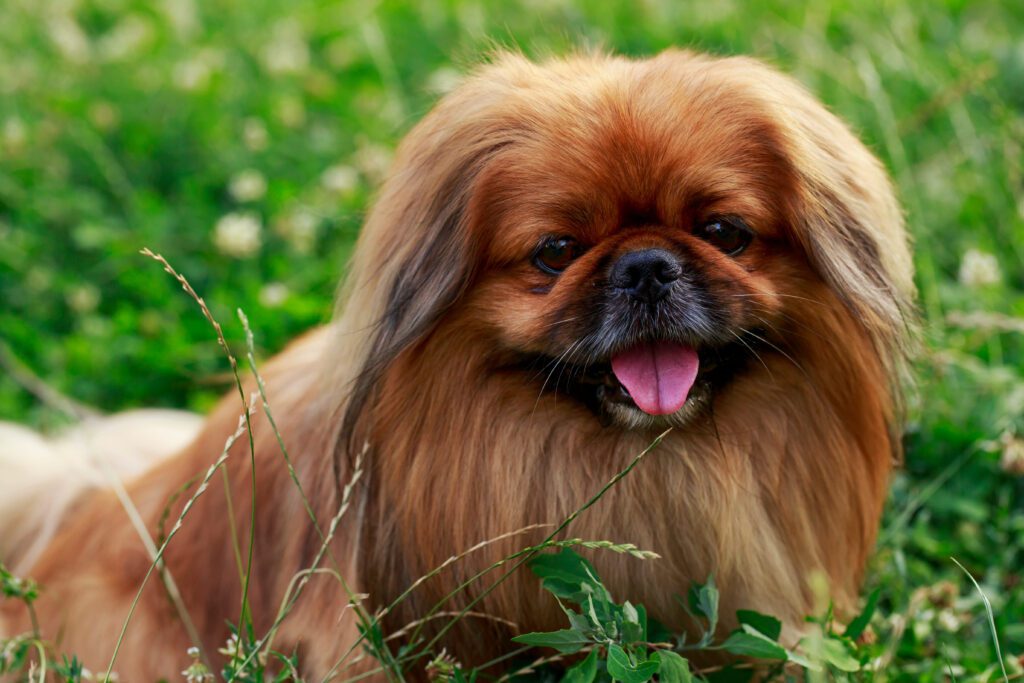

The Pekingese is a devoted companion with a big heart in a small body. This breed is affectionate, dignified, and brave, and it bonds closely with its family. A Pekingese enjoys relaxed living, short walks, and lots of cuddle time. The long double coat is beautiful and requires steady grooming, and the flat face calls for careful activity management. Thoughtful research helps you match this charming dog’s needs with your daily routine.
Adoption gives a dog a second chance and often provides clearer insight into temperament and health history. Many adopted dogs come with basic training or house manners, which can ease the transition. Buying instead of adopting can drive demand for unnecessary breeding, while adoption supports the work of shelters and rescues that protect animals in need. Alaska offers a great home for a Pekingese that lives mostly indoors. The cold climate means you must limit time outside, use paw protection, and keep walks short during deep winter. Icy conditions and long distances between towns require planning for travel, grooming supplies, and veterinarian access.
You can avoid searching through shelters and rescues one by one by using Dog Academy to browse adoption listings in one place. You can filter by location, age, and size to find a Pekingese that fits your household. You can also use Dog Academy’s educational guides and adoption checklists to prepare your home and plan your first weeks with your new dog.
You can look for adoptable dogs through local animal shelters, regional rescues, and breed-specific rescue groups that focus on toy breeds. You can also check foster-based networks that list dogs currently living in private homes. Some groups operate statewide and can coordinate introductions in central meeting spots. A patient search that covers both urban hubs and smaller communities can widen your options across Alaska.
The process usually starts with browsing listings and submitting an application. Applications often ask about your schedule, home setup, landlord permission when you rent, and your experience with grooming and small breeds. Many groups request personal references and a veterinarian reference. After initial review, coordinators set up a meet-and-greet to confirm the match, which can occur at a shelter, at a foster home, or through a supervised virtual visit when distance is an issue. A home check sometimes follows to confirm safety, which can be in person or virtual for remote areas.
Approval timelines can range from a few days to a few weeks depending on scheduling, reference responses, and the dog’s medical readiness. Some rescues arrange transport to move dogs between locations when the right match is found. Transport is a service where volunteers or staff move dogs by ground or air to reach adopters safely. Weather and flight availability in Alaska can affect these plans, so coordinators usually build in extra time. Final steps include signing an adoption contract, paying the adoption fee, and setting a take-home date that supports a smooth transition.

|
How Much Does It Cost to Adopt a Pekingese in Alaska?In Alaska, you can expect to pay about $250 to $450 to adopt a Pekingese. Fees tend to sit in this range because small purebred dogs are in steady demand and because routine veterinary care can be more expensive in remote areas. Puppies and younger adults usually cost more than seniors. Dogs with advanced training or recent dental work can also cost more. The fee typically covers spaying or neutering, vaccinations, microchipping, and veterinary exams. Costs can rise if the dog needed specialized care such as a dental cleaning or treatment for an eye condition. Demand in your area, the dog’s age, and recent grooming all influence pricing. If transport is required to reach your town, you may see an added charge that reflects fuel, airfare, health certificates, and safe crating for travel. |
How Should I Train a Pekingese?The Pekingese is intelligent and perceptive, and it responds well to calm, consistent training. This breed can be independent, so short sessions and clear rewards work best. Use gentle handling and positive reinforcement, and reward desired behaviors with small treats and praise. Harsh corrections can damage trust and can cause a sensitive dog to shut down. Focus early on name recognition, recall inside the home, polite leash walking, and reliable potty routines. Many Pekingese benefit from crate training that builds a safe resting place and supports house training. Socialization with friendly dogs and respectful children helps prevent reactivity. Grooming tolerance is also essential, so teach relaxed brushing, face cleaning, and paw handling in slow steps. For structured support, try Dog Academy’s online training courses. You can follow step-by-step lessons, troubleshoot common issues like barking, and build confidence with expert guidance that suits both first-time and experienced owners. |
|
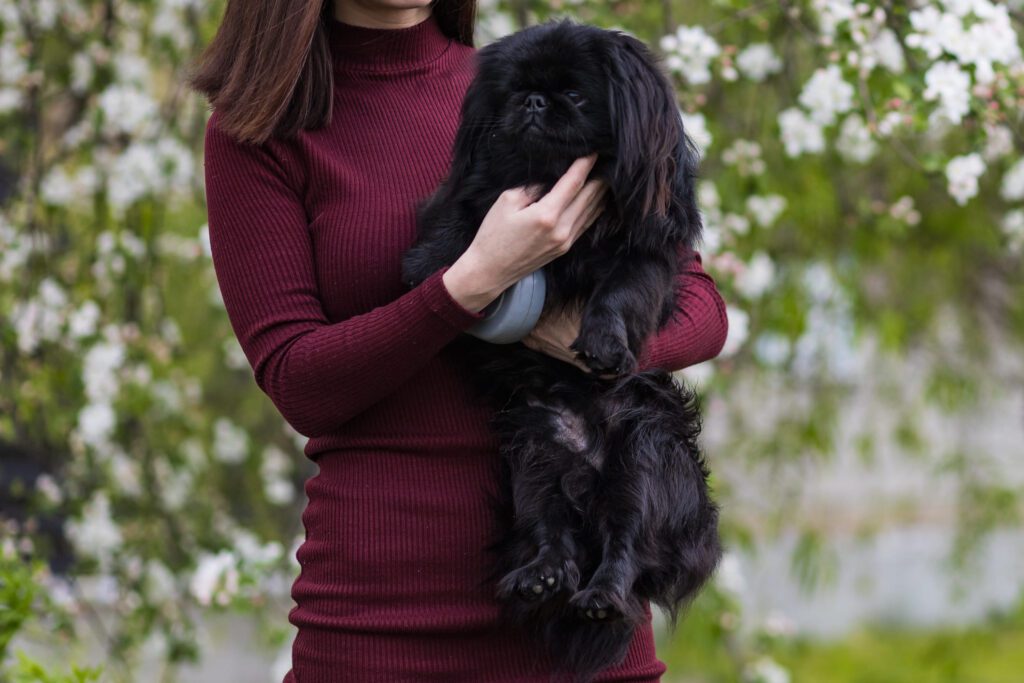
A Pekingese thrives with an adopter who enjoys quiet time at home, values routine, and can commit to daily coat care. Short, safe walks and indoor play meet this breed’s exercise needs, while warm jackets, paw protection, and limited outdoor time keep your dog comfortable in Alaska’s winter. A patient family that practices gentle training and careful socialization will help a Pekingese shine.
Prepare your home, gather grooming tools, and line up a veterinarian before you bring your dog home. Take your time, ask detailed questions, and choose the match that truly fits your lifestyle. With informed planning and the right resources, you can adopt a Pekingese in Alaska and enjoy a loyal companion for many years.

Introducing a new puppy to your current dog is often an exciting process, and many dogs will become fast friends and eas...
Read More
Rescue dogs can make great companions and can transform your home into something better. These dogs make great pets and ...
Read More
You should never rush to pet a dog. Even dog owners make the mistake of approaching unfamiliar dogs and petting them rig...
Read More
Puppy mill dogs are survivors who have endured extreme hardships in their lives. They have grown up in horrendous, unsan...
Read More
With their wagging tails and comforting presence, adopting a dog can add a unique touch to your life. It’s a heart...
Read More
Older dogs may have a few gray hairs around the edges, but that doesn’t mean they can’t make wonderful companions! T...
Read More