



























































































































Introducing a new puppy to your current dog is often an exciting process, and many dogs will become fast friends and eas...
Read MoreAdopt Me

Miss Chestnut
Hillside, IL
Breed: Nova Scotia Duck-Tolling Retriever
Sex: Female
Age: puppy



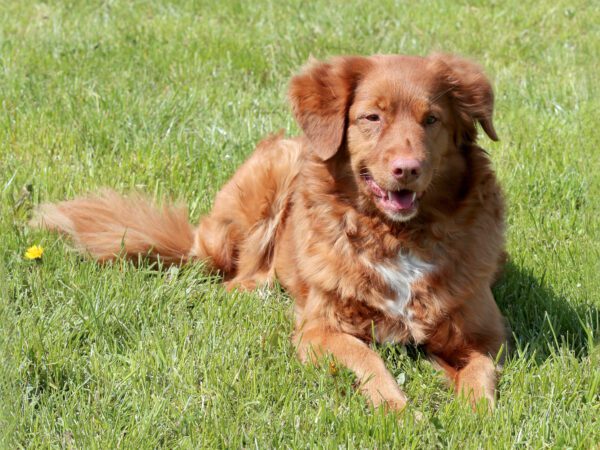
The Nova Scotia Duck Tolling Retriever is an energetic, intelligent, and affectionate companion. This athletic retriever loves water, thrives on games, and bonds closely with family. The breed combines a cheerful spirit with sharp problem-solving skills, which makes daily training and play essential. Thoughtful research ensures the right match and sets you up for a long, happy life together.
Adoption gives a dog a second chance and supports responsible pet care. When you adopt, you help reduce overpopulation and you gain insight into a dog’s temperament from people who know the dog well. Buying can feel faster, but adoption usually offers better transparency and stronger support after placement.
Arkansas can be a wonderful home for a Toller. The state offers rivers, lakes, and trails that suit a water-loving retriever. Hot, humid summers require careful heat management, early or late exercise, and plenty of shade and water. Mild winters make for comfortable training outdoors. Wooded terrain means consistent tick prevention and year-round recall practice. Active households in Arkansas often find a great partner in this upbeat working dog.
You can avoid searching rescues and shelters separately by browsing Dog Academy for current adoption listings. You can filter by breed and location, then follow a clear process from inquiry to approval. Dog Academy also provides educational guides and adoption checklists to help you prepare with confidence.
Adoptable Tollers in Arkansas may appear through local animal shelters, regional rescues, and breed-specific rescue groups. Some dogs are owner surrenders that come with helpful history. Others arrive as transfers from crowded areas. Read each profile closely and match energy level, social needs, and medical status with your lifestyle. A thoughtful match reduces stress and sets good expectations for training.
The process usually starts with browsing listings and submitting an application. Applications often ask about schedule, home setup, training plan, and veterinary history. Many groups verify references and landlord approval when needed. A meet-and-greet follows once you are pre-approved. Some groups request a virtual or in-person home check to confirm safety, fencing, and space for exercise.
Approval timelines vary, although many adoptions move from application to decision in 1 to 3 weeks. Highly sought breeds like Tollers can take longer. Stay responsive and complete forms quickly to keep momentum. If a match is not available nearby, rescues sometimes arrange transport to move dogs between locations. Transport is typically organized with coordinated legs or professional carriers, and adopters meet at designated handoff points once the dog is cleared to travel.

|
How Much Does It Cost to Adopt a Nova Scotia Duck Tolling Retriever in Arkansas?In Arkansas, the typical adoption fee for a Nova Scotia Duck Tolling Retriever ranges from $250 to $600. Puppies and young adults often fall near $450 to $600 due to higher demand and recent medical care. Seniors and special-needs dogs may be closer to $250 to $400. Fees reflect the breed’s rarity in the region and the cost of preparing each dog for a safe placement. Most fees include spaying or neutering, vaccinations, microchipping, and veterinary exams. Additional costs can reflect heartworm testing and prevention, dental care, training or behavior support, and any specialized treatment. Age, training level, recent medical work, and regional demand all influence the final fee. Plan for ongoing expenses such as quality food, routine vet visits, grooming tools, and training. |
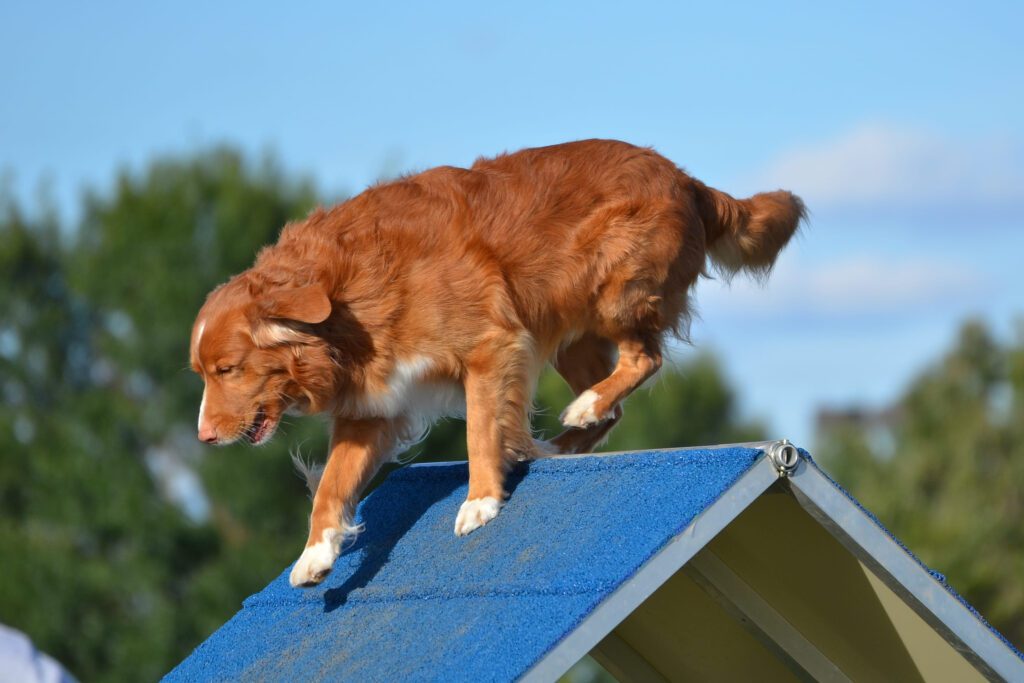
How Should I Train a Nova Scotia Duck Tolling Retriever?Tollers are bright, eager workers that learn quickly when training is fun and structured. Short sessions with clear goals keep focus high. Positive reinforcement builds confidence in this sensitive breed. Reward with food, toys, and retrieve games to satisfy a natural desire to work. Common challenges include high energy, vocal excitement, and intense interest in birds or small wildlife. Build rock-solid recall with gradual distractions, especially near water. Teach loose-leash walking to manage enthusiasm on Arkansas trails. Practice impulse control with cues like sit, down, wait, and settle. Early socialization with people, calm dogs, and new environments creates a stable and adaptable companion. For step-by-step guidance that fits busy schedules, explore Dog Academy’s online training courses for puppy foundations, loose-leash skills, reliable recall, and enrichment games that channel working drive. |
|
The ideal home for a Toller is active, engaged, and ready for daily mental and physical exercise. A great match enjoys hikes, swim time, or field games and commits to consistent training. This breed fits best with owners who value structure, enrichment, and time together.
Prepare before you apply. Set a budget, gather supplies, secure a veterinarian, and map out a training plan. Take your time and ask thoughtful questions. When you are ready, start your search on Dog Academy and build the foundation for a happy life with a Nova Scotia Duck Tolling Retriever in Arkansas.

Introducing a new puppy to your current dog is often an exciting process, and many dogs will become fast friends and eas...
Read More
Rescue dogs can make great companions and can transform your home into something better. These dogs make great pets and ...
Read More
You should never rush to pet a dog. Even dog owners make the mistake of approaching unfamiliar dogs and petting them rig...
Read More
Puppy mill dogs are survivors who have endured extreme hardships in their lives. They have grown up in horrendous, unsan...
Read More
With their wagging tails and comforting presence, adopting a dog can add a unique touch to your life. It’s a heart...
Read More
Older dogs may have a few gray hairs around the edges, but that doesn’t mean they can’t make wonderful companions! T...
Read More