
























































































































































































Introducing a new puppy to your current dog is often an exciting process, and many dogs will become fast friends and eas...
Read More
How to Introduce a New Puppy to Your Dog
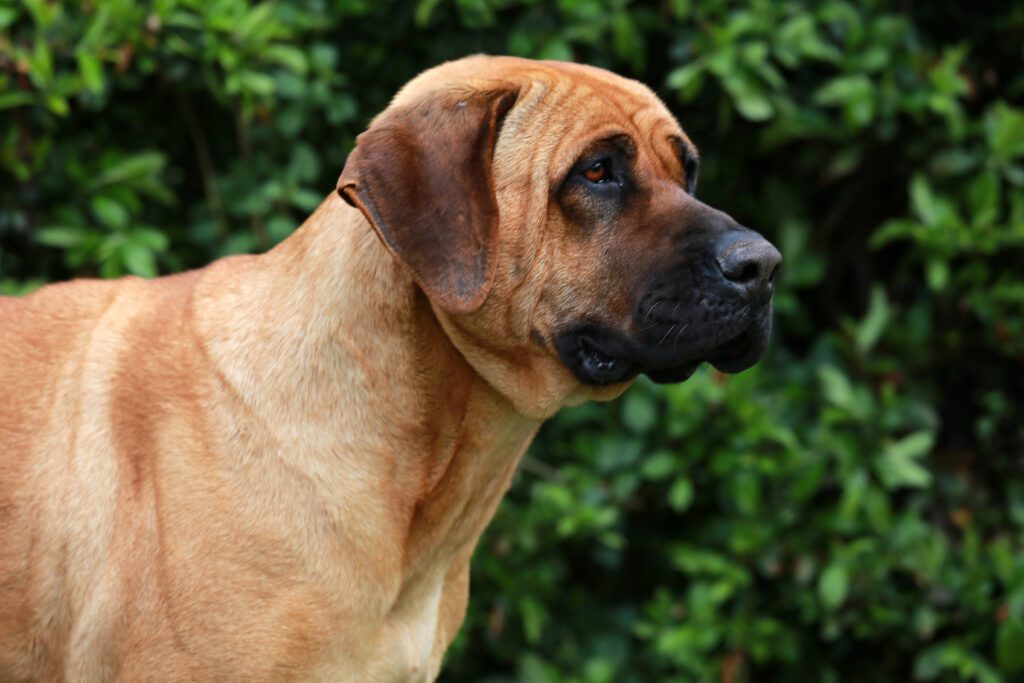
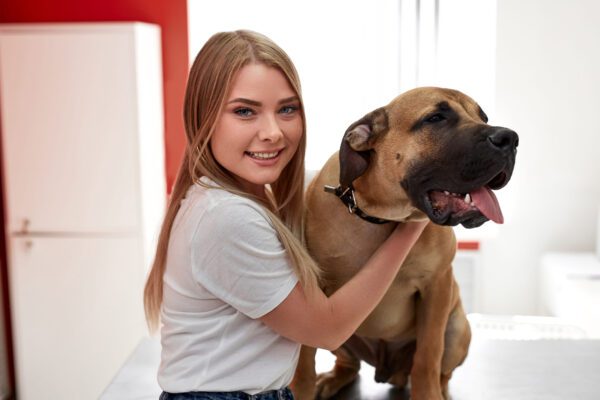
The Tosa Inu is a powerful, calm, and deeply loyal guardian that bonds closely with family. The breed is intelligent and thoughtful, which makes it steady in the home when it receives structure and training. A Tosa Inu can be affectionate with its people while staying reserved with strangers, which many adopters value for confident companionship.
Research is essential before you adopt. A Tosa Inu is large and strong, and it needs daily mental stimulation, clear boundaries, and early socialization. Adoption is preferable to buying because it supports dogs already in need, it helps responsible organizations continue lifesaving work, and it offers transparency about each dog’s history and behavior.
Arkansas offers both advantages and challenges for this breed. Hot and humid summers require strict heat management, which includes shade, fresh water, and exercise during cooler hours. The state’s mix of suburban yards, rural acreage, and access to trails can suit a Tosa Inu that needs secure space and calm walks. Urban living in Arkansas can also work when you provide structured exercise, elevator etiquette, and strong leash skills.
You can skip searching separate rescues and shelters by browsing adoptable Tosa Inu listings on Dog Academy, which also offers educational guides and adoption checklists that help you prepare. You can also check local animal shelters, regional rescues, and breed-specific rescue groups that serve Arkansas and nearby states. Because the Tosa Inu is rare, you may need to expand your radius and stay patient while you wait for the right match.
Start by browsing listings and reading each bio carefully. Confirm size, age, temperament notes, medical history, and any training needs. Submit a complete application that explains your experience with large dogs, your daily schedule, your home setup, and how you plan to manage exercise and training. Strong applications describe secure fencing, crate training plans, and how the dog will be supervised around visitors and other animals.
After an application review, most organizations schedule a phone interview to discuss expectations and household dynamics. Meet-and-greets allow you to observe the dog’s behavior with all family members, including children and resident pets. Many groups perform a home check to confirm safe containment, appropriate sleeping areas, and hazard-free yards. A home check is usually a quick visit or a virtual walkthrough that verifies your environment is ready.
Approval timelines often range from a few days to a few weeks, which depends on volunteer capacity, reference checks, and the dog’s medical schedule. If the right dog is out of state, some rescues arrange transport to move dogs between locations using volunteer drivers or professional carriers, and they will explain timing, costs, and pickup plans in advance. Always request a written adoption agreement that outlines responsibilities, return policies, and post-adoption support.
|
How Much Does It Cost to Adopt a Tosa Inu in Arkansas?Adopting a Tosa Inu in Arkansas typically costs $250 to $600. The fee reflects the dog’s age, prior training, medical care, and local demand for large guardian breeds. Younger dogs with recent veterinary work or dogs transported from farther away often land at the higher end of the range, while senior dogs or dogs adopted directly from municipal shelters may be closer to the lower end. Adoption fees usually include spaying or neutering, vaccinations, microchipping, and veterinary exams. Fees may also cover deworming, heartworm testing, and treatment if needed, which can increase costs. The total value of these services often exceeds the adoption fee, which makes adoption a cost-effective and responsible way to bring home a Tosa Inu. |
How Should I Train a Tosa Inu?The Tosa Inu is intelligent and eager to follow a calm leader who uses clear rules and predictable routines. Positive reinforcement works best because it builds trust and confidence while avoiding conflict. Reward desired behaviors with food, toys, and praise, and phase in life rewards such as door access or outdoor time to strengthen impulse control. Common challenges include strong leash pulling, barrier reactivity, and selective attention around unfamiliar dogs. Address these issues early with foundation skills such as name recognition, loose-leash walking, place training, and reliable recall on a long line. Introduce structured socialization to neutral people, environments, and sounds so the dog learns to remain composed without seeking interaction. Muzzle conditioning can add a layer of safety during vet visits or training sessions and can be taught with treats in short, positive steps. Consistency matters more than intensity for this breed. Keep sessions short and engaging, practice daily in low-distraction areas, and then add difficulty gradually. If you want a guided plan, you can follow Dog Academy’s online training courses for step-by-step lessons on obedience, leash skills, reactivity reduction, and calm behavior in public settings. |

|
The ideal adopter is patient, physically capable, and committed to structure. A secure yard, a steady routine, and a thoughtful management plan help a Tosa Inu thrive. Preparation should include heat safety for Arkansas summers, reliable containment, and a clear training schedule.
Adopt at a pace that feels deliberate rather than rushed. Ask questions, meet multiple dogs, and review support options before you decide. With careful planning and the right match, you can adopt a Tosa Inu in Arkansas and enjoy a loyal companion who brings calm strength to your home.
Introducing a new puppy to your current dog is often an exciting process, and many dogs will become fast friends and eas...
Read More
Rescue dogs can make great companions and can transform your home into something better. These dogs make great pets and ...
Read More
You should never rush to pet a dog. Even dog owners make the mistake of approaching unfamiliar dogs and petting them rig...
Read More
Puppy mill dogs are survivors who have endured extreme hardships in their lives. They have grown up in horrendous, unsan...
Read More
With their wagging tails and comforting presence, adopting a dog can add a unique touch to your life. It’s a heart...
Read More
Older dogs may have a few gray hairs around the edges, but that doesn’t mean they can’t make wonderful companions! T...
Read More