



















































































































































































Introducing a new puppy to your current dog is often an exciting process, and many dogs will become fast friends and eas...
Read MoreAdopt Me



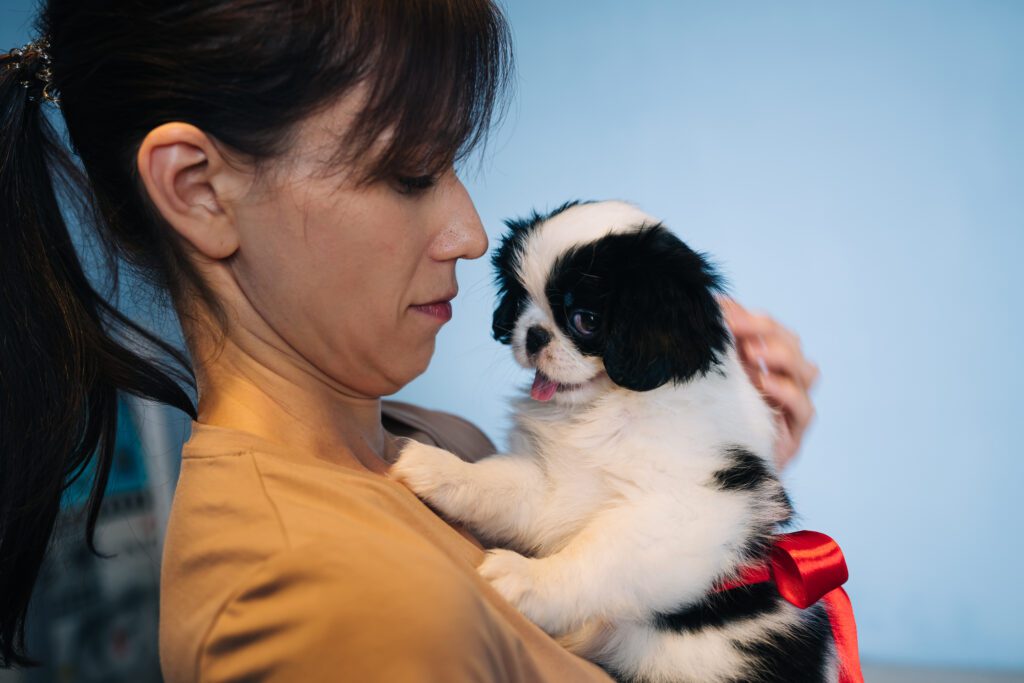
The Japanese Chin is a charming companion dog with a gentle heart and a playful spirit. This toy breed is known for a silky coat, a bright expression, and a cat-like grace that wins attention without demanding it. Most Japanese Chin prefer calm homes, close contact with their people, and short daily walk routines that keep them happy and fit.
Research matters before you adopt because this breed has specific needs. A Japanese Chin thrives with polite handling, consistent training, and steady routines. The breed can be sensitive to heat and stress, and it does best with indoor living, climate control, and careful supervision outdoors. Adoption is a smart choice because it gives a dog a second chance, it provides support to community shelters and rescues, and it often includes important veterinary care at a fair cost.
Arkansas offers many settings that can suit a Japanese Chin when owners plan ahead. Hot and humid summers in Arkansas require air conditioning, shade, and limited midday activity because brachycephalic dogs overheat easily. Winters are usually mild, which helps with gentle daily walks. Rural areas in Arkansas can have tall grass and wooded trails that harbor ticks, so regular preventives and quick coat checks are essential. Apartment living and suburban homes both work well because this breed values quiet time and indoor comfort more than high-intensity exercise.
You can adopt a Japanese Chin in Arkansas by checking local animal shelters, regional rescues, and breed-specific rescue groups. You can avoid searching rescues and shelters separately by using Dog Academy’s adoption listings, which gather available dogs into one easy place to browse. Start here and narrow by location and breed with Dog Academy.
The process usually starts with browsing listings, reading each bio carefully, and noting age, temperament, and medical history. Next comes an application that asks about your home, schedule, experience, and veterinary references. Many groups request landlord approval if you rent and proof that current pets are up to date on vaccinations. Clear and complete answers help reviewers match you with the right dog.
After the application stage, most groups arrange a meet-and-greet. This can happen at a shelter, a foster home, or a neutral public space that allows pets. Families often bring all household members and resident dogs to ensure a safe and friendly introduction. Some groups conduct a virtual or in-person home check to confirm secure fencing, safe indoor spaces, and a plan for supervision. Approval timelines in Arkansas often range from 3 to 14 days, though puppies and high-demand small breeds can move faster when applications are complete.
Transport is sometimes available if the right dog is outside your immediate area. Transport is often arranged by rescues to move dogs between locations using coordinated volunteer drivers or licensed carriers. Fees for transport can cover fuel, supplies, and health certificates when required, and timelines depend on driver routes and weather conditions.

|
How Much Does It Cost to Adopt a Japanese Chin in Arkansas?Most adopters in Arkansas can expect to pay $200 to $400 to adopt a Japanese Chin. Fees tend to be lower at municipal shelters and higher at small breed rescues that invest heavily in medical care and foster support. Younger dogs and dogs with advanced training may sit at the upper end of the range, while seniors and dogs with special needs may be lower to encourage adoption. The fee usually includes spaying or neutering, vaccinations, microchipping, and veterinary exams. Costs rise when dogs need dental cleanings, heartworm treatment, or specialist care, which are common considerations for toy breeds. Demand can also affect price because small, friendly companion dogs receive many applications. Your final cost reflects age, training level, medical care, and regional demand. |
How Should I Train a Japanese Chin?The Japanese Chin is intelligent and sensitive, and it responds best to calm, positive reinforcement. Short sessions keep attention high and prevent frustration. Use soft praise, small treats, and gentle timing that rewards the exact behavior you want. Harsh corrections can shut down a sensitive dog and slow progress. House training can take longer with toy breeds because small bladders require frequent breaks. Consistent schedules, crate training, and clear praise after outdoor potties help create quick wins. Socialization should start early and progress slowly, with quiet introductions to friendly people and calm dogs. Grooming practice matters because the silky coat needs regular brushing. Teach chin rests, paw handling, and stillness for combing to make coat care easy and stress free. Structured guidance keeps training on track. For step-by-step lessons that fit busy schedules, explore Dog Academy’s online training courses. These courses use reward-based methods that build confidence, improve focus, and strengthen the bond you share with your Japanese Chin. |
|
A great match for a Japanese Chin is an owner who values indoor living, gentle handling, and daily time together. This breed suits apartments and quiet homes, and it does well with older children who respect boundaries. Reliable routines, climate control, and a plan for safe outdoor time help this companion dog thrive in Arkansas.
Prepare your home, set a veterinary plan, and gather supplies before you apply. Take time to read each profile, ask clear questions, and move at a pace that supports a good bond. When you feel ready, browse listings through Dog Academy, complete a thoughtful application, and enjoy the search for the Japanese Chin that fits your life in Arkansas.

Introducing a new puppy to your current dog is often an exciting process, and many dogs will become fast friends and eas...
Read More
Rescue dogs can make great companions and can transform your home into something better. These dogs make great pets and ...
Read More
You should never rush to pet a dog. Even dog owners make the mistake of approaching unfamiliar dogs and petting them rig...
Read More
Puppy mill dogs are survivors who have endured extreme hardships in their lives. They have grown up in horrendous, unsan...
Read More
With their wagging tails and comforting presence, adopting a dog can add a unique touch to your life. It’s a heart...
Read More
Older dogs may have a few gray hairs around the edges, but that doesn’t mean they can’t make wonderful companions! T...
Read More