
























































































































































































Introducing a new puppy to your current dog is often an exciting process, and many dogs will become fast friends and eas...
Read MoreAdopt Me

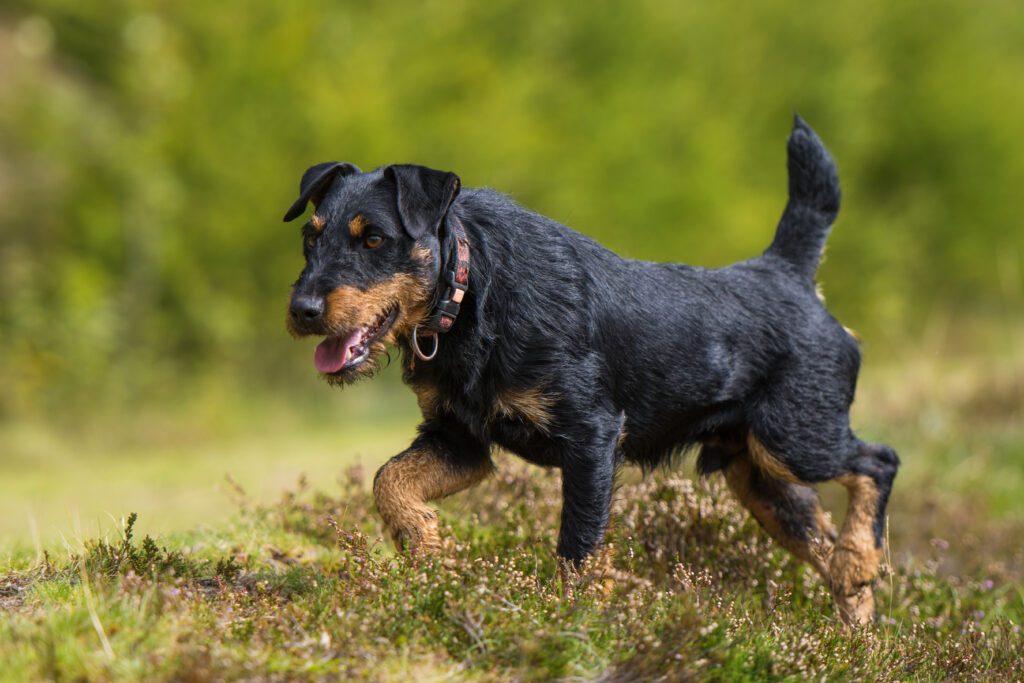
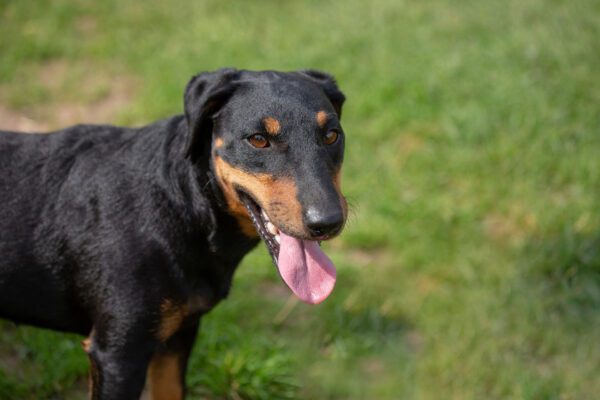
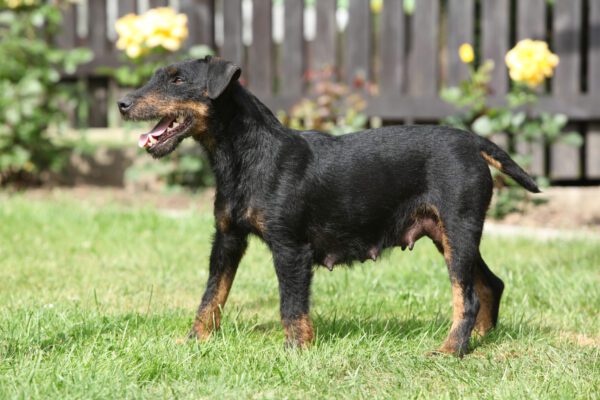
The Jagdterrier is a small, athletic terrier with a big engine and a focused mind. This breed is brave, intelligent, and loyal, and it bonds closely with a dedicated owner. A Jagdterrier thrives when it has a job to do, which can include structured training, scent games, and long daily exercise. Careful research helps every adopter understand this breed’s high prey drive, strong work ethic, and need for consistent guidance.
Adoption gives a deserving dog a second chance and it supports ethical practices that protect animal welfare. Adopting also provides transparency about temperament and needs because staff and foster caregivers observe each dog in real life settings. When you adopt, you invest in your community and you help open space for the next dog in need.
Arkansas offers forests, rolling hills, and river valleys that suit an active terrier’s love of exploration. Hot, humid summers require careful heat management, access to shade, and steady hydration. Mild winters and varied terrain create year-round opportunities for hikes and field time, which is ideal for a Jagdterrier that needs daily physical and mental work. A secure fence is essential in both rural and suburban areas because wildlife can trigger strong chasing behavior.
You can avoid searching shelters and rescues one by one by using Dog Academy adoption listings. You can browse by breed, location, age, and size to quickly see current Jagdterrier and Jagdterrier mix options across Arkansas. You can also learn from Dog Academy educational guides and adoption checklists that explain how to choose a good match and how to prepare your home.
Start by checking local animal shelters, regional rescues, breed-specific rescue groups, and foster-based networks. The Jagdterrier is uncommon, so you may see more Jagdterrier mixes than purebreds. A mix with similar drive and size often fits the same active lifestyle. Foster caregivers can provide detailed notes about energy level, crate skills, and behavior with children and other pets.
The adoption process usually includes browsing listings, submitting an application, and scheduling a meet-and-greet. Applications often ask for personal references, veterinary history for current pets, proof of housing, and landlord permission when you rent. Many groups ask about fencing and daily routine so they can match energy levels responsibly. Initial reviews often take 2 to 5 days, meet-and-greets usually occur within 3 to 10 days, and final approvals commonly take 1 to 3 weeks.
A meet-and-greet lets you observe the dog’s response to you, your family, and your resident pets in a controlled setting. A home check confirms safe containment, secure gates, and removal of hazards like loose wiring or toxic plants. Some groups offer a short trial period that helps you verify the match in your home. When a dog is located far from you, rescues sometimes arrange transport to move dogs between locations using volunteer drivers or licensed carriers. Transport usually requires extra paperwork, a health certificate from a veterinarian, and a confirmed pickup plan.
|
How Much Does It Cost to Adopt a Jagdterrier in Arkansas?Most adopters in Arkansas pay $200 to $400 to adopt a Jagdterrier or a Jagdterrier mix. Prices vary based on age, training history, medical care already completed, and local demand for small working terriers. Puppies and dogs with extensive veterinary care or professional training may reach $450 to $600 because the organization recovers higher costs. Adoption fees typically include spaying or neutering, vaccinations, microchipping, and veterinary exams. Fees may also cover heartworm testing, parasite treatment, and basic behavioral support. Supplies such as crates, leashes, and food are not included, so you should budget an additional $100 to $250 for setup. |
How Should I Train a Jagdterrier?The Jagdterrier is smart, motivated, and tireless, which makes training both rewarding and demanding. This breed learns quickly when sessions are short, upbeat, and consistent. Positive reinforcement works best because it channels drive into useful skills. Focus early on reliable recall, loose-leash walking, impulse control at doors, calm greetings, and crate training for safe downtime. Careful socialization with people and stable dogs builds confidence and good manners. Give this terrier a structured outlet every day to prevent frustration and unwanted chasing. Scent games, tracking-style exercises, fetch with rules, and problem-solving puzzles help satisfy the mind and body. Management remains important because prey drive is instinctive, so a secure fence and a long line in open spaces help keep training on track. For step-by-step guidance, explore Dog Academy’s online training courses, which cover foundation skills, impulse control, recall, and enrichment for high-energy breeds. |

|
The ideal Arkansas adopter leads an active life, enjoys structured training, and can provide daily exercise and mental work. A secure yard, a consistent routine, and a calm, confident handling style help a Jagdterrier thrive. Families with small pets should plan careful management because this breed has a strong prey drive.
Preparation sets you and your dog up for success. Take time to research, gather supplies, and review training plans before you bring your new companion home. Move at a thoughtful pace, ask clear questions, and choose the dog that fits your lifestyle today and for years to come.

Introducing a new puppy to your current dog is often an exciting process, and many dogs will become fast friends and eas...
Read More
Rescue dogs can make great companions and can transform your home into something better. These dogs make great pets and ...
Read More
You should never rush to pet a dog. Even dog owners make the mistake of approaching unfamiliar dogs and petting them rig...
Read More
Puppy mill dogs are survivors who have endured extreme hardships in their lives. They have grown up in horrendous, unsan...
Read More
With their wagging tails and comforting presence, adopting a dog can add a unique touch to your life. It’s a heart...
Read More
Older dogs may have a few gray hairs around the edges, but that doesn’t mean they can’t make wonderful companions! T...
Read More