



























































































































































































Introducing a new puppy to your current dog is often an exciting process, and many dogs will become fast friends and eas...
Read MoreAdopt Me





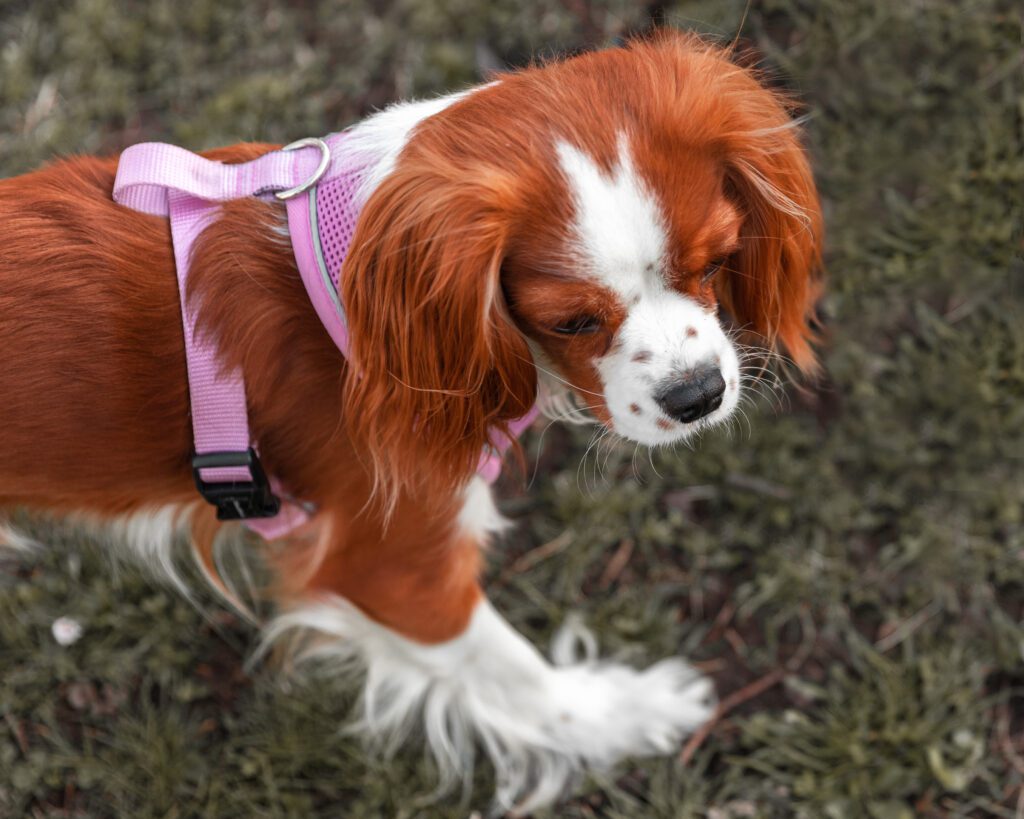
The Cavalier King Charles Spaniel is a gentle, affectionate companion that thrives on closeness with people. This small spaniel enjoys a relaxed lap session and a cheerful walk, which makes the breed a great match for families, retirees, and first-time adopters. Cavaliers are social and friendly with kids and other pets when introduced with care, and they fit well in apartments and houses when daily exercise and attention are consistent.
Research matters before you adopt a Cavalier King Charles Spaniel in Arkansas. Cavaliers can develop heart disease, ear infections, and eye issues, so adopters should plan for preventive care and regular veterinary checkups. Adoption helps a dog in need, supports ethical placement, and often includes essential veterinary services that provide a healthy start at home.
Arkansas has hot, humid summers and mild winters, so heat management is important for this breed. Cavaliers can overheat quickly, which means indoor cooling, shade, and water are essential during summer. The state’s mix of urban neighborhoods, river valleys, and mountain trails offers varied activities, though midday walks should shift to mornings or evenings. Ticks and mosquitoes are common, so year-round parasite prevention and heartworm protection are important for a Cavalier living in Arkansas.
You can save time and avoid searching rescues and shelters separately by starting with Dog Academy. You can browse adoptable Cavaliers and look over helpful guides and adoption checklists in one place. You can also check local animal shelters, regional rescues, and breed-specific rescue groups that serve Arkansas and nearby areas.
Begin by browsing listings and reading each dog’s profile. Profiles usually describe age, medical history, temperament, and home preferences. When you find a good match, you can submit an application that includes personal references, proof of housing, and details about your routine. Many groups verify veterinary history for current pets and confirm landlord approval for renters.
After an application review, most organizations schedule a meet-and-greet. This meeting helps you confirm the dog’s comfort level with all family members and any resident pets. Some groups complete a home check, which is a short visit or virtual tour that confirms a safe space, a plan for secure fencing or leashed walks, and the removal of common hazards like loose cords or toxic plants.
Approval timelines vary by group, but many decisions take 1 to 3 weeks from application to pickup. Medical needs or high interest can affect timing. If a suitable Cavalier is outside your immediate area, rescues may arrange transport between locations. Transport is often organized through volunteer drivers or licensed carriers, and the dog usually travels with veterinary records and a health certificate for safety.

|
How Much Does It Cost to Adopt a Cavalier King Charles Spaniel in Arkansas?In Arkansas, adoption fees for a Cavalier King Charles Spaniel usually range from $250 to $550 for adults. Puppies and young dogs with high demand can reach $650. Fees reflect age, training, recent medical care, and regional demand for the breed. Most adoption fees include spaying or neutering, vaccinations, microchipping, and veterinary exams. Some Cavaliers receive heartworm testing, dental cleanings, or cardiac evaluations, which can increase costs. Dogs that arrive already house trained or leash trained may have higher fees due to added time and resources from the rescue. Medical history, temperament support, and post-adoption follow-up can also influence the final amount. |
How Should I Train a Cavalier King Charles Spaniel?Cavaliers are intelligent, eager to please, and sensitive to tone, which makes positive reinforcement the best approach. Reward calm behavior with small treats and praise, keep sessions short, and end on a win. Early training should focus on house manners, polite leash walking, and reliable recall. Many Cavaliers have a playful chase instinct, so recall training away from squirrels and birds needs patient practice in low-distraction areas before moving to busier spaces. Common challenges include separation stress, alert barking, and pulling when excited. You can prevent separation stress by teaching short, relaxed alone times and by providing safe chews and a comfortable crate or bed. You can reduce barking by rewarding quiet moments and by giving mental enrichment through food puzzles and scent games. For a step-by-step plan tailored to this breed’s gentle nature, explore Dog Academy’s online training courses, which cover puppy foundations, adult obedience, and solutions for issues like recall and leash skills. |
|
A great match for a Cavalier is an adopter who enjoys daily walks, regular cuddle time, and consistent veterinary care. A calm home with predictable routines helps this breed shine, though Cavaliers also do well with respectful children and friendly resident pets when introductions are slow and structured.
Prepare your space with bowls, a crate, a harness, and cooling options for summer. Plan year-round parasite prevention and schedule an early veterinary visit to set up heart health monitoring. Take your time, read each profile closely, and ask thoughtful questions. With patience and preparation, you can adopt a Cavalier King Charles Spaniel in Arkansas and welcome a loving companion who fits your life for years to come.

Introducing a new puppy to your current dog is often an exciting process, and many dogs will become fast friends and eas...
Read More
Rescue dogs can make great companions and can transform your home into something better. These dogs make great pets and ...
Read More
You should never rush to pet a dog. Even dog owners make the mistake of approaching unfamiliar dogs and petting them rig...
Read More
Puppy mill dogs are survivors who have endured extreme hardships in their lives. They have grown up in horrendous, unsan...
Read More
With their wagging tails and comforting presence, adopting a dog can add a unique touch to your life. It’s a heart...
Read More
Older dogs may have a few gray hairs around the edges, but that doesn’t mean they can’t make wonderful companions! T...
Read More