



























































































































































































Introducing a new puppy to your current dog is often an exciting process, and many dogs will become fast friends and eas...
Read MoreAdopt Me


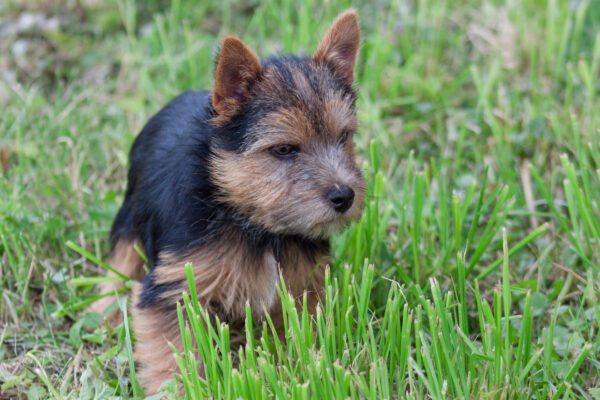
The Norwich Terrier is a cheerful, sturdy, and affectionate small dog that loves to be part of daily life. This breed is alert and confident, yet friendly and people focused. A Norwich Terrier enjoys brisk walks, spirited play, and warm couch time, which makes the breed a great fit for singles, couples, and families who want a compact but lively companion.
Thoughtful research before adoption protects both you and the dog. When you understand breed traits, grooming needs, and energy levels, you set realistic expectations and reduce stress. Adoption is preferable to buying because adoption gives a good dog a second chance, supports ethical rescue work, and helps reduce demand for irresponsible breeding. You also gain transparency about the dog’s history and temperament from experienced volunteers and foster caregivers.
Wisconsin offers a strong match for a hardy terrier that enjoys fresh air and routine activity. Winters are cold and snowy, while summers can be warm and humid near lakes and rivers. The Norwich Terrier’s weather-resistant coat handles cool weather well, although deep snow can slow short legs and icy sidewalks can dry paws. A well-fitted winter coat and paw balm help with comfort and safety. In summer, shaded walks and plentiful water prevent overheating. The breed adapts well to apartments in Milwaukee or Madison and to rural homes, provided the dog gets daily exercise and mental enrichment. A secure yard or a reliable leash routine is important due to the breed’s natural prey drive.
You can avoid searching for rescues and shelters separately by using Dog Academy. The listings help you browse Norwich Terriers and similar small terriers from local animal shelters, regional rescues, and breed-specific rescue groups in one place. You can filter by age, sex, size, and distance to narrow the field. You can also read summaries that explain personality, energy level, and any medical notes so you can decide which dogs may suit your lifestyle.
The next step is the application. Most organizations ask about your schedule, home setup, prior dog experience, and training plans. Applications usually include reference checks, landlord approval for renters, and a veterinary reference if you have current pets. Clear and complete answers help reviewers understand how you plan to meet a Norwich Terrier’s needs for daily exercise, mental stimulation, and consistent training.
Meet-and-greets allow everyone to confirm a good fit. Many groups schedule a visit at a foster home or a neutral location. You should bring resident dogs for a careful introduction. Some groups conduct a home check, which may be in person or virtual. A home check ensures safe containment, proper supplies, and a plan for alone time, potty training, and enrichment. Terriers benefit from a management plan that covers secure fencing, supervised yard time, and structured walks.
Approval timelines vary. Many adopters in Wisconsin move from application to adoption within 1 to 3 weeks, although timing depends on review speed, meet-and-greet schedules, and weather. Transport may also affect timing. Rescues sometimes arrange transport to move dogs between locations, which means volunteers or licensed carriers drive coordinated legs so the dog can travel safely from a foster home in another state to Wisconsin. Transport may add a modest fee and can be delayed by winter storms or road conditions, which is why flexible planning helps.

|
How Much Does It Cost to Adopt a Norwich Terrier in Wisconsin?Most adopters in Wisconsin should expect to pay about $350 to $650 to adopt a Norwich Terrier. Fees trend higher for puppies and young adults due to high demand for small companion breeds. Fees can be a bit lower for seniors or dogs with ongoing medical needs. Costs reflect age, prior training, medical care, and local demand for small terriers in urban and suburban areas. Adoption fees typically include spaying or neutering, vaccinations, microchipping, and veterinary exams. Many groups also provide heartworm testing, deworming, and a recent health check, which increases value and reduces immediate out-of-pocket veterinary costs. Extra training or specialized medical care can raise the fee, while sponsorships can lower it for specific dogs. A clear itemized breakdown helps you compare options fairly. |
How Should I Train a Norwich Terrier?The Norwich Terrier is intelligent, curious, and eager to participate, which makes this breed very trainable with the right approach. Short, upbeat sessions work best. You should use positive reinforcement with high-value treats, praise, and play to reward correct choices. Clear markers and consistent routines help a bright terrier understand what earns rewards. Common challenges include barking at wildlife or delivery noises, chasing squirrels, pulling on leash, and digging when bored. You can manage these behaviors with structured activities that build impulse control and focus. Useful skills include a strong recall on a long line, a reliable leave it, relaxed leash walking, a go to mat for settling, and calm greetings. Daily enrichment such as food puzzles, scent games, and short training bursts reduces frustration and channels energy into good habits. If you want step-by-step help, explore Dog Academy’s online training courses for terrier-friendly plans that fit busy schedules. |
|
The ideal adopter enjoys daily walks, consistent routines, and cheerful training sessions. A Norwich Terrier thrives with owners who value structure, who appreciate a curious working spirit, and who provide steady enrichment. A home with a secure yard or a reliable leash routine is important, especially around wildlife. Supervision with small pets is important because a Norwich Terrier has a natural prey drive.
Preparation sets everyone up for success. You should gather supplies, schedule a veterinary visit, plan for grooming, and review a crate and potty routine before the dog arrives. You can also use Dog Academy guides and adoption checklists to organize tasks and timelines. Take your time, ask detailed questions, and meet more than one dog if needed. When you match energy, temperament, and lifestyle, you can adopt a Norwich Terrier in Wisconsin with confidence and enjoy a rewarding partnership for years to come.

Introducing a new puppy to your current dog is often an exciting process, and many dogs will become fast friends and eas...
Read More
Rescue dogs can make great companions and can transform your home into something better. These dogs make great pets and ...
Read More
You should never rush to pet a dog. Even dog owners make the mistake of approaching unfamiliar dogs and petting them rig...
Read More
Puppy mill dogs are survivors who have endured extreme hardships in their lives. They have grown up in horrendous, unsan...
Read More
With their wagging tails and comforting presence, adopting a dog can add a unique touch to your life. It’s a heart...
Read More
Older dogs may have a few gray hairs around the edges, but that doesn’t mean they can’t make wonderful companions! T...
Read More