




























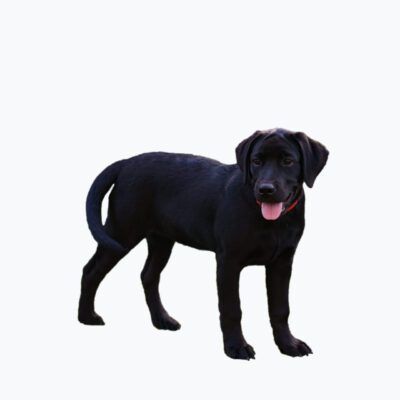































































































































































Introducing a new puppy to your current dog is often an exciting process, and many dogs will become fast friends and eas...
Read MoreAdopt Me



The Norfolk Terrier is a small, sturdy, and affectionate companion that fits easily into daily life. This breed is confident, playful, and people oriented. Norfolk Terriers enjoy brisk walks, short training sessions, and plenty of sniffing. Their wiry coat sheds lightly when maintained and their cheerful nature makes them a favorite for families who want a compact but energetic dog.
Research matters before you bring any dog home. Understanding a Norfolk Terrier’s exercise needs, grooming needs, and hunting instincts helps you set clear expectations. Adoption is a responsible choice because it gives a dog a second chance and it supports ethical placement. You also gain transparency about health and behavior through evaluations done by shelters and rescues.
Wisconsin offers a good home for this breed with a few considerations. Cold winters call for a warm jacket, shorter outdoor sessions, and careful paw care on ice. Summers can be humid, so you should plan shade, water, and calm midday routines. Norfolk Terriers do well in apartments in cities, they thrive in suburban neighborhoods, and they enjoy safe rural spaces. Their prey drive is strong, so a secure fence and a leash keep wildlife and small pets safe.
You can avoid searching for rescues and shelters separately by using adoption listings on Dog Academy. You can browse available Norfolk Terriers, set location filters, and compare profiles in one place. Dog Academy also offers educational guides and adoption checklists that help you gather documents, prepare your home, and plan the first week with your new dog.
Adoptable Norfolk Terriers may appear through local animal shelters, regional rescues, and breed-specific rescue groups. Start by browsing listings, then submit an application that shares your schedule, experience, home setup, and veterinary history. Many groups request personal references and a current pet’s records. A phone interview often follows to confirm expectations about exercise, training, and grooming.
Next comes a meet-and-greet to see how the dog behaves with you, your family, and any resident pets. A home check may be required to confirm safe fencing, reliable doors and gates, and a quiet space for decompression. Some groups offer trial adoption or foster-to-adopt periods to ensure a good match. Final approval includes an adoption contract that outlines care standards, return policies, and microchip registration steps.
Approval timelines vary with demand and staff capacity. Straightforward adoptions can finish in 3 to 10 days, while more complex cases can take 2 to 3 weeks. If your match is outside your area, rescues sometimes arrange transport to move dogs between locations using volunteer drivers or licensed ground transport, and they schedule safe handoffs. Once approved, you pay the fee, pick up your dog, and receive records such as medical history and microchip details. Post-adoption support often includes training advice and referrals for veterinarians and groomers.

|
How Much Does It Cost to Adopt a Norfolk Terrier in Wisconsin?In Wisconsin, most adopters pay $250 to $450 for an adult Norfolk Terrier through a shelter or rescue. Puppies can reach $400 to $600 because demand is higher and preventive care costs more. Seniors can be lower when groups encourage placement with reduced fees. Each fee usually covers spaying or neutering, vaccinations, microchipping, and veterinary exams. Costs change with age, training, medical care, and demand. A dog that has completed basic training or dental care can cost more because additional services raise expenses. Dogs that receive treatment for conditions such as heartworm may also carry higher fees to offset care. Transport coordination can add to the total when dogs move from another region into Wisconsin. |
How Should I Train a Norfolk Terrier?Norfolk Terriers are smart, curious, and food motivated, which makes training enjoyable when you use positive reinforcement. Keep lessons short, upbeat, and frequent. Focus on foundations like name recognition, sit, down, touch, and settle on a mat. Build impulse control through wait at doors and leave it with food and toys. A long line helps you teach recall safely because a Norfolk Terrier’s prey drive can override commands when wildlife is near. You can boost progress with Dog Academy’s online training courses, which provide step-by-step videos, practice plans, and expert support. Channel terrier energy into healthy outlets. Offer daily sniff walks, puzzle feeders, and scent games to work that keen nose. Teach polite greetings to manage excitement and barking. Crate training supports safe travel and calm rest. Early and ongoing socialization builds confidence with people, dogs, and new places. In Wisconsin winters, use hallway fetch, tug, and shaping games to maintain exercise when outdoor time is brief. |

|
A Norfolk Terrier suits an owner who enjoys daily activity, steady routines, and consistent training. The ideal home provides short but regular walks, mental enrichment, and firm but kind boundaries. A secure yard is helpful, and apartment life works well when you commit to exercise and enrichment every day.
Prepare your home, budget for training and veterinary care, and take your time to find a true match. Review listings, ask clear questions, and trust the process. When you are ready, use the tools and guidance on Dog Academy to adopt a Norfolk Terrier in Wisconsin with confidence and care.

Introducing a new puppy to your current dog is often an exciting process, and many dogs will become fast friends and eas...
Read More
Rescue dogs can make great companions and can transform your home into something better. These dogs make great pets and ...
Read More
You should never rush to pet a dog. Even dog owners make the mistake of approaching unfamiliar dogs and petting them rig...
Read More
Puppy mill dogs are survivors who have endured extreme hardships in their lives. They have grown up in horrendous, unsan...
Read More
With their wagging tails and comforting presence, adopting a dog can add a unique touch to your life. It’s a heart...
Read More
Older dogs may have a few gray hairs around the edges, but that doesn’t mean they can’t make wonderful companions! T...
Read More