


























































































































































































Introducing a new puppy to your current dog is often an exciting process, and many dogs will become fast friends and eas...
Read MoreAdopt Me

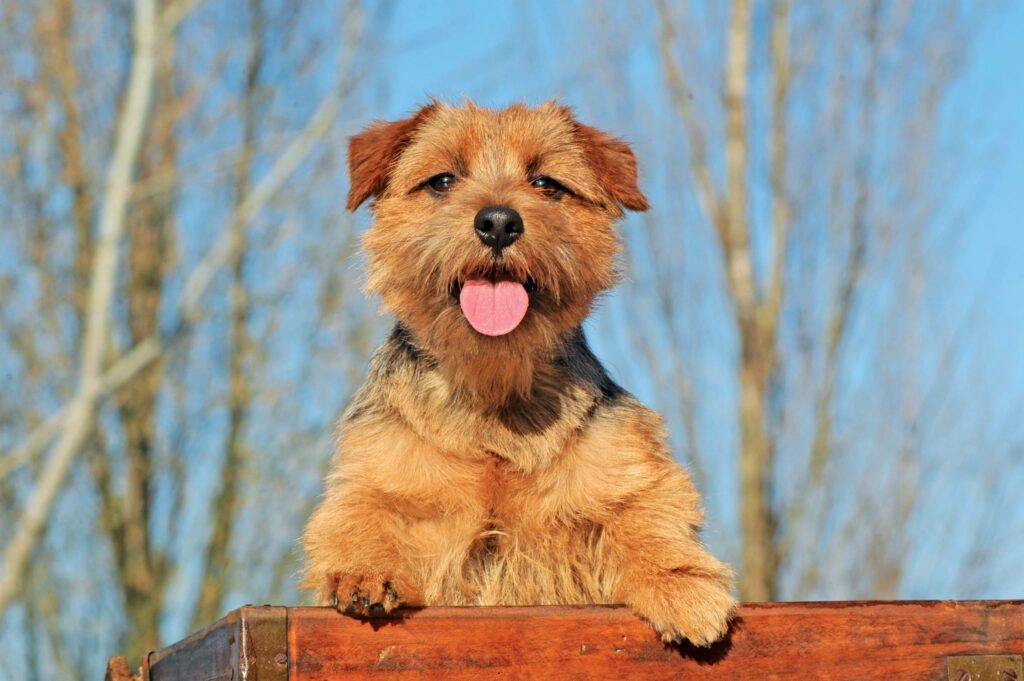
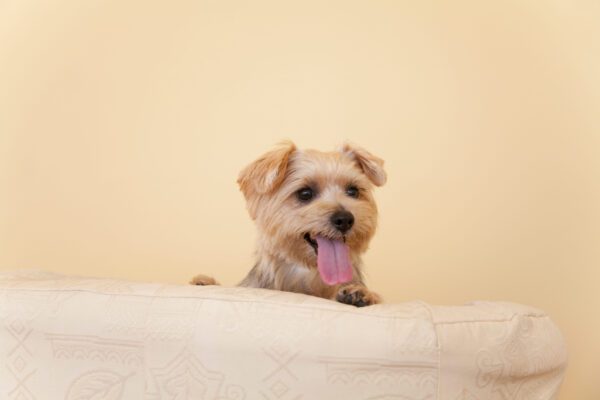
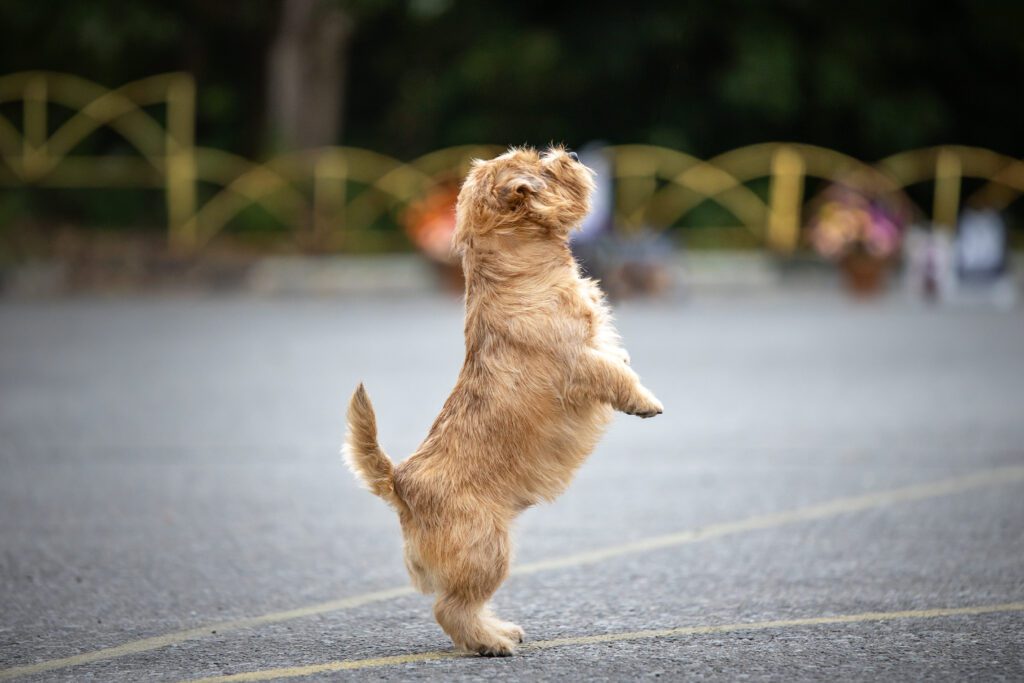
The Norfolk Terrier is a small, sturdy, and spirited companion that brings big personality in a compact frame. This breed is affectionate with family, alert with strangers, and always ready for an adventure. A Norfolk Terrier enjoys brisk walks, puzzle games, and time by your side. The cheerful nature of this breed makes it a great fit for many Alaskan households that value both companionship and outdoor fun.
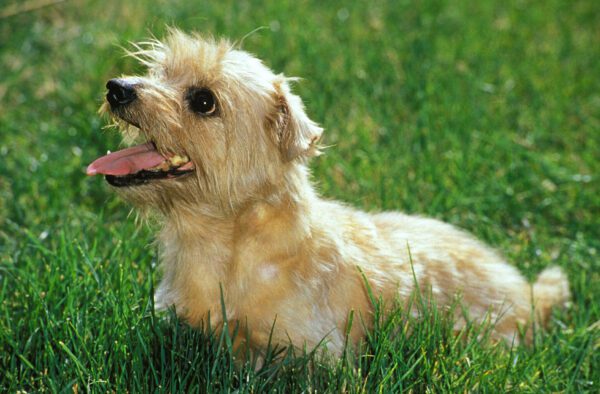
Thorough research sets every adoption up for success. A Norfolk Terrier has a wiry double coat that sheds lightly and needs regular brushing. Occasional professional grooming helps maintain texture and skin health. The breed has a lively prey drive and a curious nose, so secure leashing and reliable recall matter in areas with wildlife. Alaska’s cold climate and varied geography reward careful preparation. Short outdoor sessions, warm layers, and paw protection help a Norfolk Terrier thrive during winter. Clear paths and indoor enrichment keep this small dog active when ice and deep snow limit longer adventures.
Choosing adoption over buying opens your home to a dog that truly needs you. Rescues invest in medical care and behavior assessments, which gives adopters helpful insights. Adoption also supports ethical practices and reduces demand for irresponsible breeding. A Norfolk Terrier can adapt well to Alaska because the coat provides moderate insulation, and the breed enjoys crisp air and bright winter sun. This small dog does best with structured routines, safe outdoor time, and plenty of indoor engagement when storms roll in.
You can avoid searching shelters and rescues separately by using adoption listings that gather available dogs in one place. Browse listings and guidance on Dog Academy to see current Norfolk Terriers and small terrier mixes in Alaska and nearby regions. You will also find educational guides and adoption checklists that explain each step with clarity. These tools help you move from interest to approval without missing key requirements.
Start by checking local animal shelters, regional rescues, and breed-specific rescue groups. Many organizations post detailed profiles that cover temperament, energy level, and special needs. After you identify a good match, submit an application that explains your experience, schedule, housing setup, and plans for training and veterinary care. Teams often verify references and may ask for a phone or video interview to confirm fit. Strong applications show realistic expectations about terrier energy, supervision around wildlife, and cold weather routines.
Next comes the meet-and-greet. This visit may happen at a shelter, a foster home, or a neutral public space. Remote adopters sometimes begin with a video meet-and-greet to confirm interest before traveling. Home checks help confirm safety, secure fencing, and an environment that suits a small, active dog. Approval timelines vary with weather and travel distance, but many adoptions move from application to pickup within 1 to 3 weeks. When dogs are located in another community, transport is often arranged by rescues to move dogs between locations. Transport can involve ground or air travel and usually includes health certificates and travel crates so the dog arrives safely.
|
How Much Does It Cost to Adopt a Norfolk Terrier in Alaska?Adopting a Norfolk Terrier in Alaska typically costs $300 to $500. Fees trend toward the middle of that range for healthy adult dogs. Costs at the higher end often reflect puppies, recent training, or extra medical care. Fees at the lower end often reflect seniors or dogs that need a quieter home. Alaska’s logistics and veterinary costs can influence pricing, and small, in-demand breeds see steady interest that keeps fees consistent. Most adoption fees include spaying or neutering, vaccinations, microchipping, and veterinary exams. Some dogs also receive dental cleanings, parasite screening, or prescription medications before placement. You may see a separate transport fee when long-distance travel is required. Plan for starter supplies like a crate, a properly fitted harness, weather-appropriate layers, and quality food. License fees required by local authorities are usually separate from adoption fees. |
How Should I Train a Norfolk Terrier?The Norfolk Terrier is bright, curious, and eager to engage when training is upbeat and consistent. Short sessions that use food rewards and play build focus and enthusiasm. This breed responds best to positive reinforcement that marks the exact behavior you want. Clear cues, generous praise, and frequent practice create reliable skills that hold up in exciting environments. Common challenges include barking at wildlife, digging in soft ground, and chasing fast-moving objects. Focus on foundation skills like name recognition, recall, loose-leash walking, place training, and calm greetings. Crate training and reliable house training help a small dog thrive during stormy stretches indoors. Early socialization with people and friendly dogs builds confidence without overwhelming a sensitive terrier. For step-by-step help that fits busy Alaskan schedules, explore Dog Academy’s online training courses that teach practical skills with clear, bite-size lessons. |
|
The ideal adopter enjoys daily activity, values structure, and appreciates a small dog with a bold heart. A Norfolk Terrier thrives with someone who commits to training, grooming, and safe outdoor time in every season. Preparation matters in Alaska, so gather supplies, set clear house rules, and plan indoor enrichment for severe weather days. Take your time, ask thoughtful questions, and choose a dog whose energy and temperament match your home. With patience and good planning, you will adopt a Norfolk Terrier in Alaska that becomes a loyal companion for many years.

Introducing a new puppy to your current dog is often an exciting process, and many dogs will become fast friends and eas...
Read More
Rescue dogs can make great companions and can transform your home into something better. These dogs make great pets and ...
Read More
You should never rush to pet a dog. Even dog owners make the mistake of approaching unfamiliar dogs and petting them rig...
Read More
Puppy mill dogs are survivors who have endured extreme hardships in their lives. They have grown up in horrendous, unsan...
Read More
With their wagging tails and comforting presence, adopting a dog can add a unique touch to your life. It’s a heart...
Read More
Older dogs may have a few gray hairs around the edges, but that doesn’t mean they can’t make wonderful companions! T...
Read More