























































































































































































Introducing a new puppy to your current dog is often an exciting process, and many dogs will become fast friends and eas...
Read MoreAdopt Me

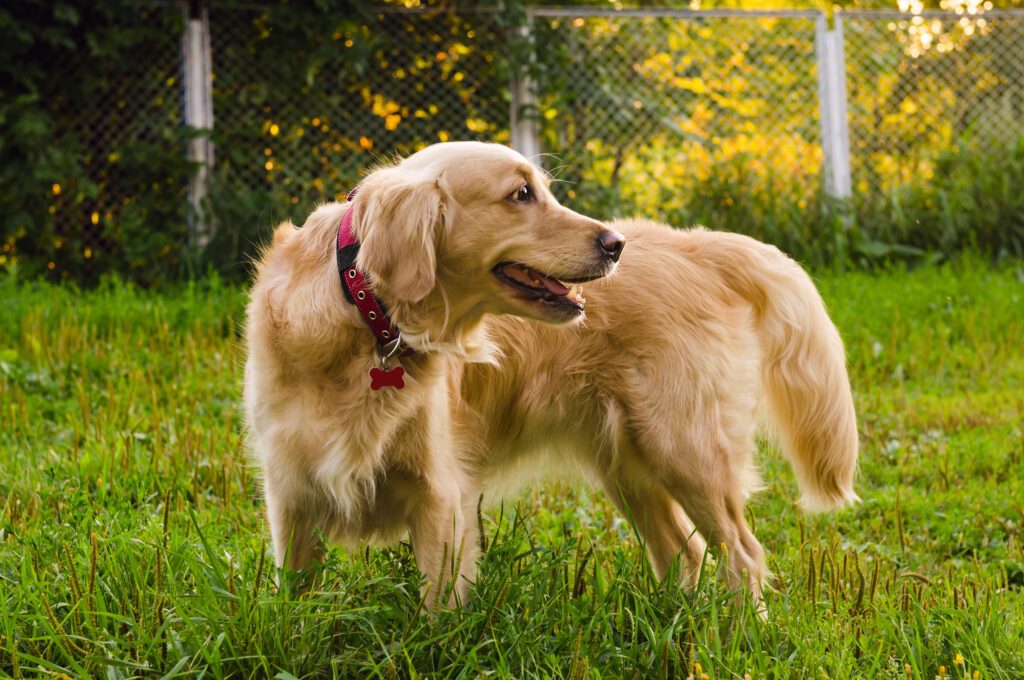


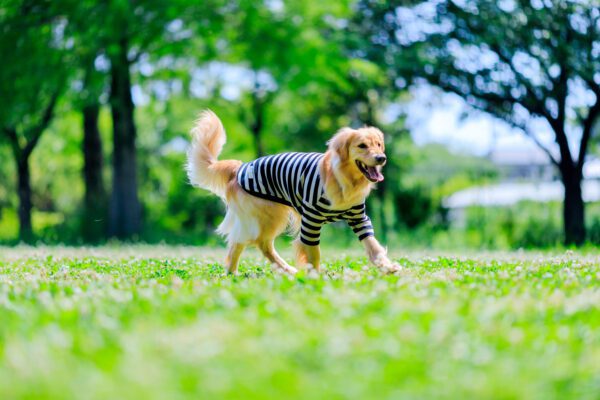
A Mini Golden Retriever offers Golden Retriever warmth in a smaller body. The breed is friendly, people focused, and highly trainable. Many Mini Golden Retrievers are mixes that blend Golden Retriever traits with smaller companion breeds, which can influence size, coat type, and energy. The result is a cheerful dog that loves play, learns quickly, and bonds closely with the family.
Research matters before you adopt. Mini Golden Retrievers need daily exercise, routine grooming, and steady companionship. Adoption is often the best path because it supports animal welfare, provides helpful history from caretakers, and includes essential veterinary care at a lower cost than buying. Wisconsin can be a great fit. The cool climate suits a thicker coat, and the state’s lakes, trails, and parks create daily outlets for exercise. Winter brings ice and road salt, so you should protect paws and limit exposure in extreme cold. Summer can be humid, so you should offer shade, water, and rest breaks.
You can avoid searching shelters and rescues separately by using Dog Academy. The listings gather adoptable dogs from local animal shelters, regional rescues, and foster networks in one place. You can filter by location, age, and size to quickly find a Mini Golden Retriever or a close mix that matches your lifestyle. Dog Academy also provides educational guides and adoption checklists that help you prepare for a smooth transition home.
Start by browsing current profiles and reading each dog’s bio. Request details about energy level, grooming needs, social history, and any training already in place. When you find a match, submit an application. Applications usually ask for personal references, proof of residence, landlord approval if you rent, and information about your schedule and home setup. Clear and complete answers help reviewers understand how you plan to meet the dog’s needs.
Most groups schedule a meet-and-greet to assess fit with you and any resident pets. A home check often follows. A home check can be a video call or an in-person visit that reviews safety, fencing, and daily routines. Some organizations offer foster-to-adopt, which places the dog in your home on a trial basis while final approval moves forward. Approval timelines vary and often range from a few days to a few weeks. Timelines depend on volunteer capacity, the dog’s popularity, and how quickly references respond.
If your best match lives far away, transport may be available. Transport is often arranged by rescues to move dogs between locations using volunteer drivers or partner shelters on set schedules. You confirm pickup points, provide a secure collar and leash, and bring identification for the adoption handoff. The final step is the adoption contract. You pay the fee, receive medical records, confirm microchip details, and plan your first veterinary visit in Wisconsin.

|
How Much Does It Cost to Adopt a Mini Golden Retriever in Wisconsin?In Wisconsin, expect adoption fees for a Mini Golden Retriever to average $300 to $600. Puppies often land between $450 and $600 because of higher demand and early care. Adult dogs often range from $300 to $500. Fees reflect services that commonly include spaying or neutering, vaccinations, microchipping, and veterinary exams. Fees can increase when a dog receives advanced medical care or professional training before adoption. Age, training, medical history, and local demand all affect price. A dog that has completed basic training or that has recent dental care may cost more. A special-needs dog may cost less, though long-term care can be higher. Ask what the fee covers so you can plan for supplies, grooming tools, and the first wellness visit after adoption. |
How Should I Train a Mini Golden Retriever?Mini Golden Retrievers are smart, food motivated, and eager to please. Positive reinforcement works best. Reward calm choices, loose-leash walking, recalls, and polite greetings with treats and praise. Keep sessions short and upbeat to protect focus. Early socialization with people, respectful children, and friendly dogs builds confidence and prevents fear. Common challenges include pulling on leash, jumping during greetings, chewing when bored, and mild separation distress. Meet these challenges with structure and daily exercise. Provide chew outlets, puzzle toys, and short settling sessions on a mat. Use crate training to create a safe place to rest. Practice calm exits and returns to reduce stress when you leave. For step-by-step guidance, explore Dog Academy’s online training courses, which cover obedience foundations, leash skills, recall, and home manners. |

|
The ideal owner enjoys daily activity, values routine, and has time for training and grooming. A Mini Golden Retriever thrives with 60 minutes of exercise, regular mental games, and steady companionship. Apartment living can work when you commit to daily walks and indoor enrichment. A home with a yard also works when you add structured play and supervision.
Preparation leads to a happy match. Set clear goals, gather supplies before pickup, and plan a calm first week. Take your time as you research and ask questions. When you are ready to adopt a Mini Golden Retriever in Wisconsin, use Dog Academy to find the right dog and to learn the skills that help your new companion settle in with confidence.

Introducing a new puppy to your current dog is often an exciting process, and many dogs will become fast friends and eas...
Read More
Rescue dogs can make great companions and can transform your home into something better. These dogs make great pets and ...
Read More
You should never rush to pet a dog. Even dog owners make the mistake of approaching unfamiliar dogs and petting them rig...
Read More
Puppy mill dogs are survivors who have endured extreme hardships in their lives. They have grown up in horrendous, unsan...
Read More
With their wagging tails and comforting presence, adopting a dog can add a unique touch to your life. It’s a heart...
Read More
Older dogs may have a few gray hairs around the edges, but that doesn’t mean they can’t make wonderful companions! T...
Read More