











































































































































Introducing a new puppy to your current dog is often an exciting process, and many dogs will become fast friends and eas...
Read MoreAdopt Me
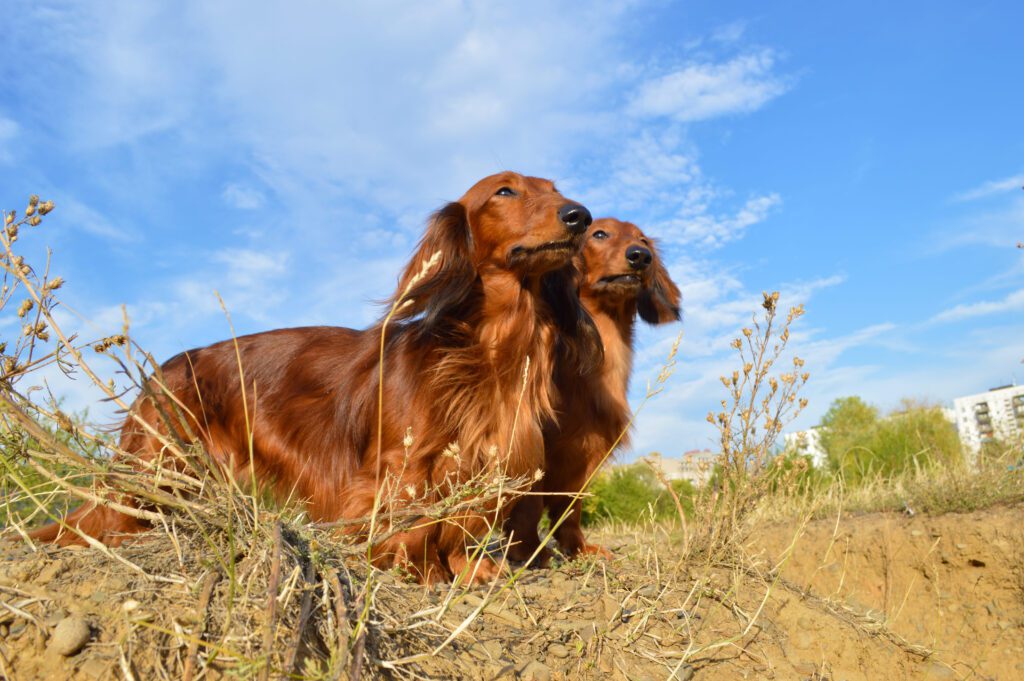


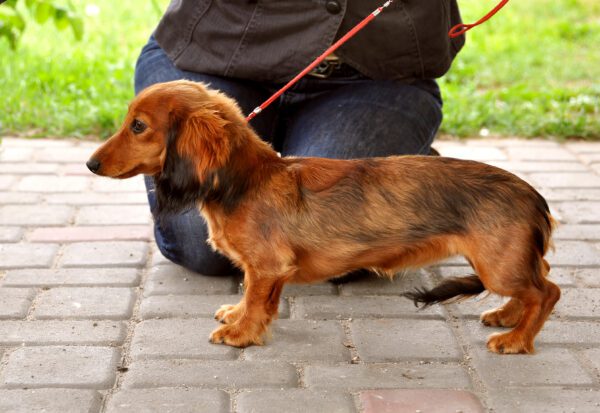
The Long-Haired Dachshund is charming, loyal, and lively. This small hound loves people, enjoys clever games, and thrives on daily companionship. The flowing coat gives the breed a refined look, yet the heart remains that of a brave scent dog. Careful research helps you decide if this affectionate but independent pup fits your home and routine.
Adoption gives a deserving dog a second chance and supports responsible pet care. It also helps you find a dog whose history and temperament are known, which makes the transition smoother for your family. In California, the breed is popular, so patience pays off when you want the right match rather than the first match.
California offers mild coastal weather, warmer inland valleys, and colder mountain areas. The long coat can handle cool mornings but requires shade, water, and rest breaks during summer heat. City living works well because Dachshunds do not need long runs, yet they do need safe, slow stair use to protect their long backs. Suburban and rural homes can be ideal for sniffy walks and yard time, though owners should watch for wildlife and barbed grass seeds that can lodge in fur and skin. A prepared California household can help this breed flourish.
You can skip searching shelters and rescues one by one by starting with Dog Academy. You can browse adoptable Long-Haired Dachshunds, set location filters, and save favorites in one place. You can also use Dog Academy for educational guides and adoption checklists that explain paperwork, home setup, and first-week routines.
Beyond centralized listings, you can find adoptable dogs through local animal shelters, regional rescues, and breed-specific rescue groups. Most groups post profiles with age, weight, coat length, and notes on personality. Read each profile closely so you understand energy level, medical needs, and any training the dog already knows. Matching the dog’s needs to your schedule and environment leads to a stable placement.
After you find a possible match, you submit an application. Applications usually ask about your daily schedule, home setup, yard security, and experience with small dogs. Many groups request landlord approval letters for renters and contact references or a past veterinarian. Response times often range from 3 to 10 days. Approval speed can change with volunteer availability and the number of applicants.
If your application moves forward, you schedule a meet-and-greet. These meetings help you evaluate fit with all household members, including other pets. A home check often follows. Some groups conduct virtual checks through video calls, while others visit in person to confirm safety gates, secure fencing, and safe stairs. Once approved, you complete adoption documents, pay the adoption fee, and set a pickup date. Some rescues arrange transport to move dogs between locations when a strong match is outside the area. Transport is usually organized by the rescue and uses volunteer drivers or contracted carriers, and the dog receives health checks before travel.

|
How Much Does It Cost to Adopt a Long-Haired Dachshund in California?In California, expect most Long-Haired Dachshund adoptions to fall between $300 and $650 for adults. Puppies and young adolescents commonly range from $500 to $750 because demand is higher and early care costs are greater. Fees vary with age, prior training, recent medical treatment, and overall demand for the breed in your region. Adoption fees typically include spaying or neutering, vaccinations, microchipping, and veterinary exams. Costs increase when the dog receives dental cleanings, bloodwork, or treatment for ear or skin issues, which are more common with thicker coats. Dogs with known house training or basic manners may also carry slightly higher fees because early training saves time for new owners. |
How Should I Train a Long-Haired Dachshund?Long-Haired Dachshunds are bright and curious, yet they can be independent. They were bred to follow scent and make their own choices underground, which means they may test limits. Focus on short, upbeat sessions that reward calm choices. Positive reinforcement builds trust and keeps a sensitive dog engaged. Use food rewards, praise, and games that let the dog use its nose. Common challenges include alert barking, house training, and pulling toward interesting scents. Teach a strong name response, a cheerful recall, and loose-leash walking with frequent sniff breaks. Prevent back strain by teaching a cue for using ramps, waiting at stairs, and keeping all four paws on the ground when greeting people. Crate training helps with rest and house manners. For step-by-step help, explore Dog Academy’s online training courses, which provide structured lessons you can follow at home at your own pace. |
|
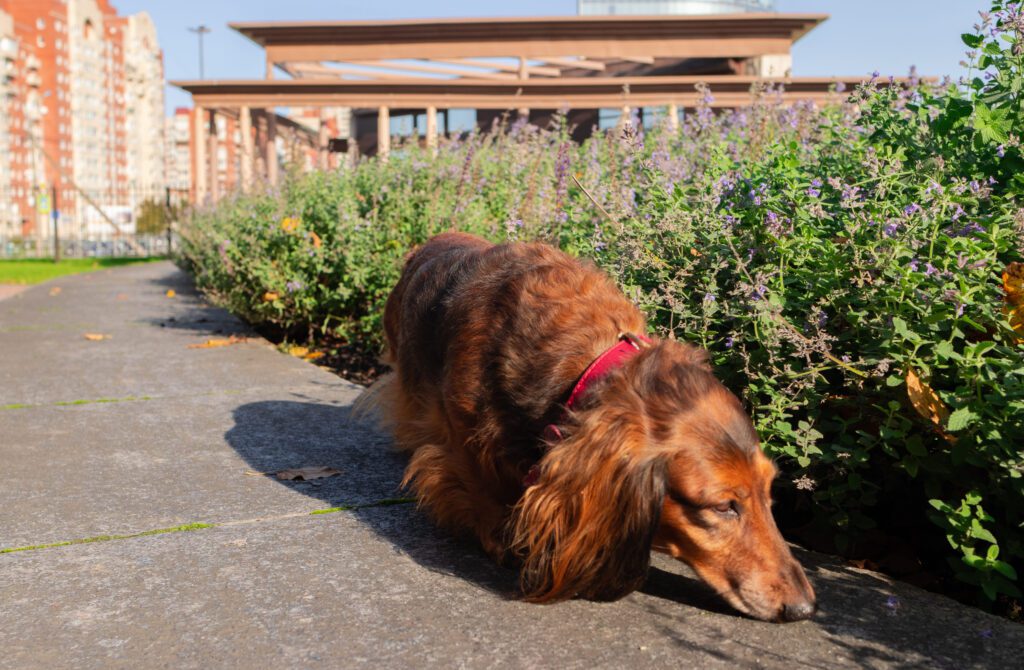
The ideal owner enjoys daily walks, quiet cuddle time, and gentle grooming. A good match sets up ramps, limits jumping, and keeps a steady routine. Families with children should teach respectful handling and calm play. Apartment dwellers, retirees, and active professionals can all succeed when they commit to exercise, training, and back-safe habits.
Prepare your home, gather supplies, and learn the breed’s needs before you bring your dog home. Take time to compare profiles and ask thoughtful questions. When you are ready, start with Dog Academy to browse current listings and use expert checklists. With patience and preparation, you can adopt a Long-Haired Dachshund in California and enjoy a loving companion for years to come.

Introducing a new puppy to your current dog is often an exciting process, and many dogs will become fast friends and eas...
Read More
Rescue dogs can make great companions and can transform your home into something better. These dogs make great pets and ...
Read More
You should never rush to pet a dog. Even dog owners make the mistake of approaching unfamiliar dogs and petting them rig...
Read More
Puppy mill dogs are survivors who have endured extreme hardships in their lives. They have grown up in horrendous, unsan...
Read More
With their wagging tails and comforting presence, adopting a dog can add a unique touch to your life. It’s a heart...
Read More
Older dogs may have a few gray hairs around the edges, but that doesn’t mean they can’t make wonderful companions! T...
Read More