



























































































































































































Introducing a new puppy to your current dog is often an exciting process, and many dogs will become fast friends and eas...
Read MoreAdopt Me
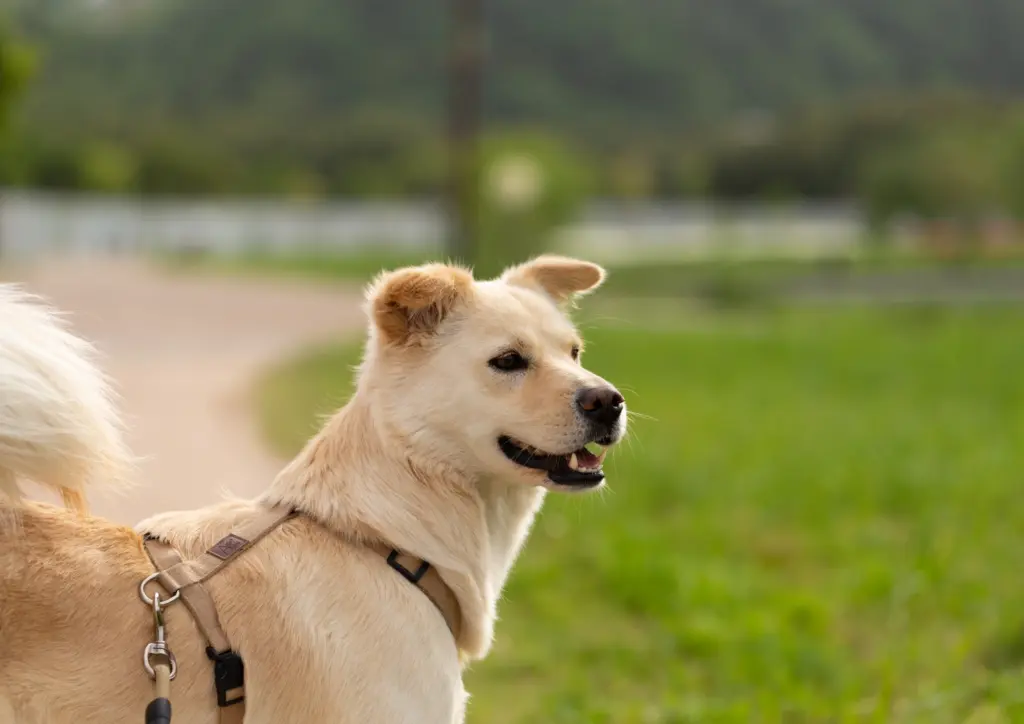
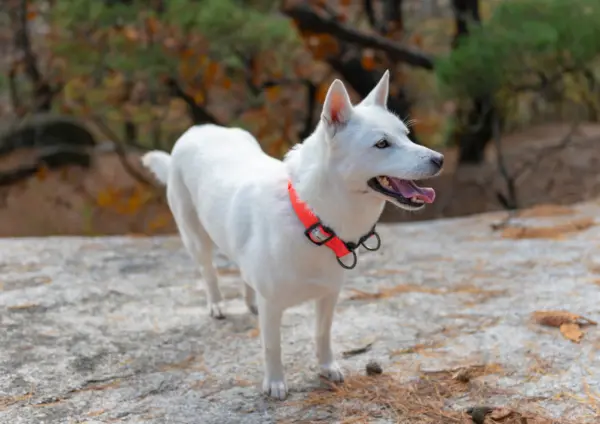
The Korean Jindo is loyal, intelligent, and deeply devoted to family. This breed is vigilant and clean, with a calm home presence and a strong sense of independence. Many people love the Jindo for quiet confidence and natural athleticism, which makes the breed a rewarding companion for active households that value structure.
Adoption works best when you research breed needs first. Jindos can be wary of strangers, can have a strong prey drive, and often prefer a small circle of trusted people. Adoption gives a dog a second chance, supports ethical placement, and often includes essential veterinary care that helps you start strong. Alaska offers a good fit for this double-coated breed because cold weather suits the Jindo, though extreme cold still requires paw protection, shorter outings, and warm recovery time indoors.
Alaska’s geography and long winters call for thoughtful planning. Snow, ice, and darkness limit outdoor time, so owners should build daily indoor enrichment and training. Rural areas and abundant wildlife increase the need for secure fencing and reliable leash skills. With preparation, a Jindo can thrive in Alaska through structured exercise, steady routines, and consistent socialization.
You can avoid searching rescues and shelters one by one by using Dog Academy. You can browse verified adoption listings in one place, filter by location and age, and follow expert guides and checklists that prepare you for each step. You can also look at local animal shelters, regional rescues, and breed-specific rescue groups that serve the Pacific Northwest and beyond.
The process usually starts with browsing listings and reading each profile in full. You should look for clear notes on temperament, energy needs, compatibility with children or other pets, and any training or medical updates. When a profile fits your household, you submit an application that includes personal details, lifestyle information, and references. Many groups verify housing and request landlord approval when you rent.
After your application is reviewed, most groups schedule a phone interview to discuss your experience and expectations. Meet and greets take place at a shelter, at a foster home, or in a neutral public space. A home check often follows, which can be conducted in person or through a virtual tour, to confirm safe fencing, secure doors, and an area for rest and feeding. Timelines vary by group and weather, but approvals in Alaska commonly take 1 to 3 weeks once all steps are complete.
If you apply with a group outside your area, transport is sometimes arranged by rescues to move dogs between locations. Transport can involve volunteer drivers, coordinated ground travel, or flights, and it may add time and cost. Winter storms can affect schedules, so you should confirm travel plans, fees, and pick up instructions before finalizing adoption.
|
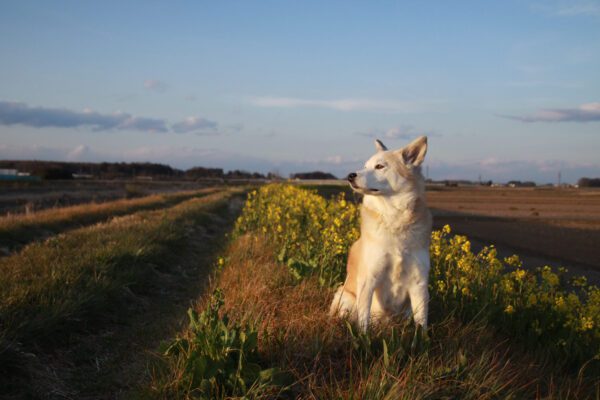
How Much Does It Cost to Adopt a Korean Jindo in Alaska?In Alaska, a realistic adoption fee for a Korean Jindo typically ranges from $300 to $550. This estimate reflects the breed’s rarity in local shelters, the higher cost of veterinary services in Alaska, and the logistics needed to place dogs over long distances. Puppies are uncommon in rescue and may fall at the top of the range, while seniors and special needs dogs may be lower when a group focuses on placement over fees. Fees usually cover spaying or neutering, vaccinations, microchipping, and veterinary exams. Costs can shift with age, training, medical care, and demand. Some groups include basic training or a behavior evaluation, which can raise the fee. If a dog travels to Alaska, transport charges are often billed separately and can add $100 to $250 depending on route and crate needs. |
How Should I Train a Korean Jindo?The Korean Jindo is bright and learns quickly, yet this breed is independent and tests boundaries. Short, focused sessions work best. You should use positive reinforcement that rewards calm choices and steady attention. Harsh corrections can damage trust and increase avoidance, while rewards build confidence and reliable responses. Early socialization matters because many Jindos are cautious with strangers and selective with other dogs. Controlled introductions, neutral locations, and calm greetings help the dog feel safe. A strong prey drive is common, so you should prioritize recall training, leash manners, and solid impulse control. A secure yard with a tall fence reduces escape risks, and daily mental work like scent games and problem solving helps reduce boredom during long winter days. For step by step guidance, enroll in Dog Academy’s online training courses. You can follow structured lessons for recall, loose leash walking, crate training, and confidence building. Each course uses positive methods that fit an intelligent, independent breed like the Jindo. |
|
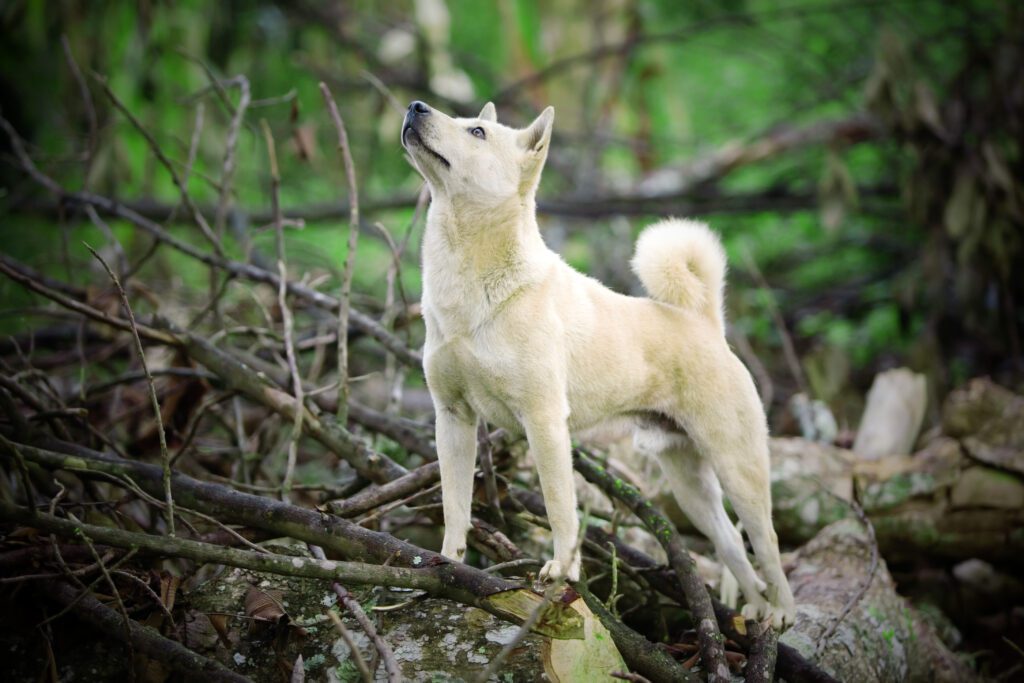
The ideal Jindo owner in Alaska is patient, consistent, and ready to lead with calm structure. You enjoy daily walks, reliable routines, and regular training. You provide secure fencing, careful socialization, and indoor enrichment when weather limits exercise. You value a quiet companion who bonds closely and thrives on respectful guidance.
Adoption is a journey that rewards preparation. Take time to learn the breed, gather supplies, and plan for training and veterinary care. When you feel ready, start with Dog Academy to browse current listings, follow checklists, and move through each step with confidence. With thoughtful planning, you can adopt a Korean Jindo in Alaska and build a loyal partnership that lasts for years.

Introducing a new puppy to your current dog is often an exciting process, and many dogs will become fast friends and eas...
Read More
Rescue dogs can make great companions and can transform your home into something better. These dogs make great pets and ...
Read More
You should never rush to pet a dog. Even dog owners make the mistake of approaching unfamiliar dogs and petting them rig...
Read More
Puppy mill dogs are survivors who have endured extreme hardships in their lives. They have grown up in horrendous, unsan...
Read More
With their wagging tails and comforting presence, adopting a dog can add a unique touch to your life. It’s a heart...
Read More
Older dogs may have a few gray hairs around the edges, but that doesn’t mean they can’t make wonderful companions! T...
Read More