















































































Introducing a new puppy to your current dog is often an exciting process, and many dogs will become fast friends and eas...
Read MoreAdopt Me
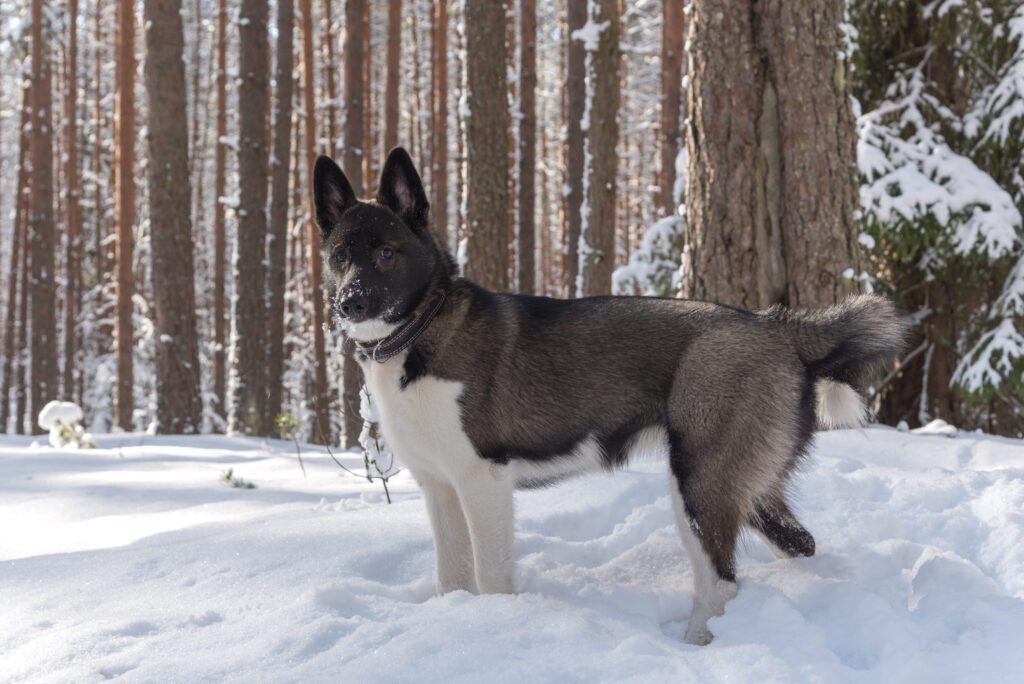
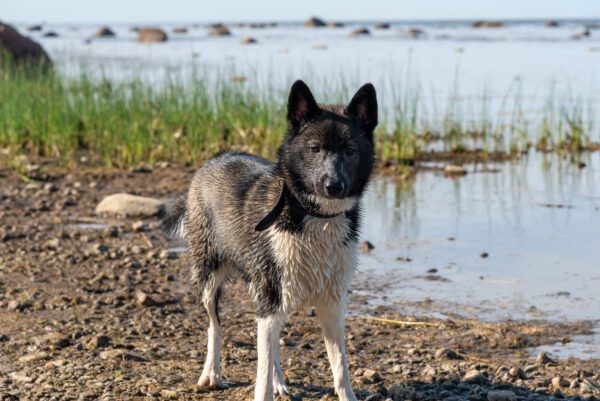
The Karelian Bear Dog is bold, athletic, and loyal. This breed has a strong nose, sharp awareness, and steady courage. Many people admire the Karelian Bear Dog for confident trail manners and devoted companionship. The breed bonds closely with family and thrives when given a job. A Karelian Bear Dog is happiest with structure, adventure, and daily mental work.
Research matters before any adoption. A Karelian Bear Dog has a high prey drive and an independent streak. The breed excels with experienced owners who enjoy training and outdoor time. Adoption often provides helpful background, medical records, and support that new owners value. Adopting also opens a space for another dog in need and keeps demand focused on humane pathways.
Alaska can suit this breed very well. A dense double coat handles cold, wind, and snow. Rugged terrain offers challenge and enrichment that the Karelian Bear Dog enjoys. Long winters and remote areas require planning for exercise, visibility, and recall safety. Urban and suburban settings present different challenges because this breed needs secure fencing and routine outlets for energy. Balanced preparation allows a Karelian Bear Dog to thrive in the Alaska climate and geography.
You can save time by using Dog Academy’s adoption listings to view available dogs across multiple sources in one place. You can avoid searching shelters and rescues separately and start with a focused view of Karelian Bear Dogs and similar working breeds. You can also explore educational guides and adoption checklists that help you plan each step. Begin with Dog Academy, then expand your search to local animal shelters, regional rescues, and breed-specific rescue groups that serve Alaska.
Start by browsing listings and reading full biographies. Look for notes on energy level, prey drive, experience with cats, compatibility with other dogs, and containment needs. Ask clear questions about daily exercise requirements, leash skills, and off-switch behaviors inside the home. Confirm medical history and any ongoing care. A thorough review helps you find a Karelian Bear Dog that fits your lifestyle.
Most organizations use a structured process. You submit an application that includes references, proof of housing, and landlord approval when you rent. You complete an interview that explores experience with high-drive breeds and training plans. You attend meet-and-greets to evaluate temperament and handling in neutral spaces. A home check often confirms secure fencing and safe storage for food, waste, and gear. Approvals can take 1 to 3 weeks depending on volume, staffing, and the match between your home and the dog’s needs.
Transport can expand your options when a dog is not nearby. Rescues sometimes arrange transport between locations to move dogs safely to approved adopters. Transport may involve flights or ground relays, health certificates issued by a veterinarian, and weather planning during cold snaps. Transport often carries an additional fee that is explained before scheduling.
|
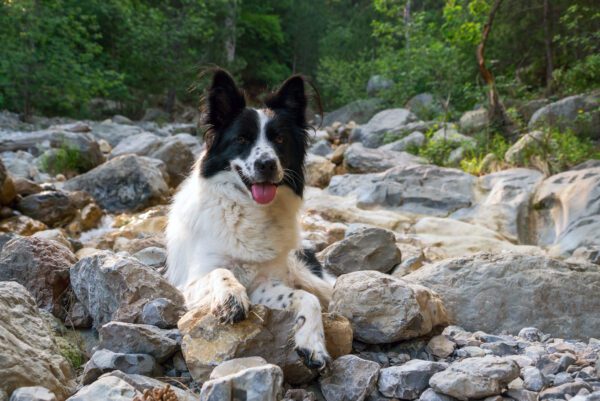
How Much Does It Cost to Adopt a Karelian Bear Dog in Alaska?A realistic adoption fee in Alaska for a Karelian Bear Dog typically falls between $300 and $550. This estimate reflects the rarity of the breed, the higher cost of veterinary care in remote areas, and the logistics of preparing dogs for placement. Fees usually cover spaying or neutering, vaccinations, microchipping, and veterinary exams. Several factors influence cost. Puppies and young adults often cost more than seniors. Dogs with advanced training or field experience can carry higher fees. Recent medical care, dental work, or specialized diagnostics increase expenses. Demand for a rare working breed can raise fees as well. If transport is required, the organization may add a separate transport charge to cover travel arrangements and health documentation. |
How Should I Train a Karelian Bear Dog?The Karelian Bear Dog is intelligent and learns quickly when training is clear and consistent. The breed can be independent, so training works best when sessions stay short and engaging. Positive reinforcement builds trust and reliability. High value rewards and precise timing encourage attention in distracting environments. Focus early on impulse control, recall, and calm behavior in the home. Teach a reliable come cue, a strong leave it, and a settle on mat. Reinforce loose-leash walking and polite greetings. Provide daily outlets for scent work and problem solving to satisfy the breed’s hunting heritage. Crate training supports recovery after activity and protects rest time. Many owners pair in-person practice with structured lessons from Dog Academy’s online training courses to build skills step by step. Management keeps training on track. Use a secure 6-foot fence to prevent wandering. Supervise outdoor time due to wildlife and strong prey drive. Rotate durable chews and enrichment toys to reduce boredom and vocalization. Aim for robust exercise and mental work every day. Consistency and patience help a Karelian Bear Dog become a steady, responsive partner. |
|
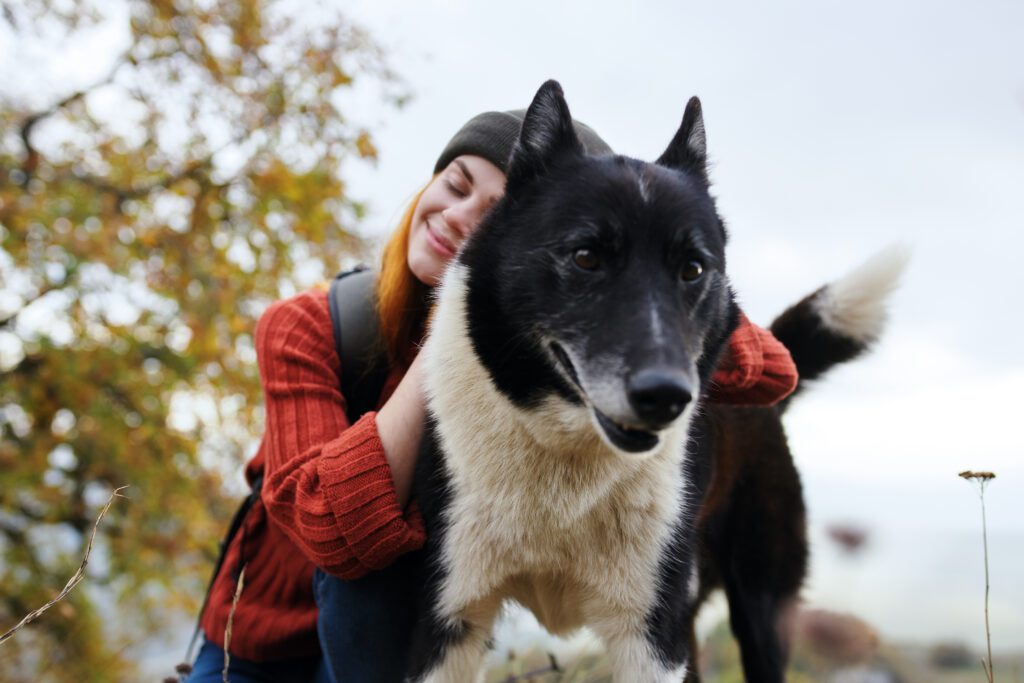
The ideal owner enjoys daily outdoor activity, consistent training, and clear routines. A Karelian Bear Dog thrives with people who can guide energy into jobs like scent games, structured hikes, and obedience practice. Preparation matters in Alaska, from winter gear to secure containment and safe travel plans.
Take time to research, ask questions, and meet candidates more than once when possible. A thoughtful match creates a confident start and a lasting bond. When you plan carefully and commit to training, you can adopt a Karelian Bear Dog in Alaska that fits your home and your adventures.

Introducing a new puppy to your current dog is often an exciting process, and many dogs will become fast friends and eas...
Read More
Rescue dogs can make great companions and can transform your home into something better. These dogs make great pets and ...
Read More
You should never rush to pet a dog. Even dog owners make the mistake of approaching unfamiliar dogs and petting them rig...
Read More
Puppy mill dogs are survivors who have endured extreme hardships in their lives. They have grown up in horrendous, unsan...
Read More
With their wagging tails and comforting presence, adopting a dog can add a unique touch to your life. It’s a heart...
Read More
Older dogs may have a few gray hairs around the edges, but that doesn’t mean they can’t make wonderful companions! T...
Read More