


































































































































Introducing a new puppy to your current dog is often an exciting process, and many dogs will become fast friends and eas...
Read MoreAdopt Me



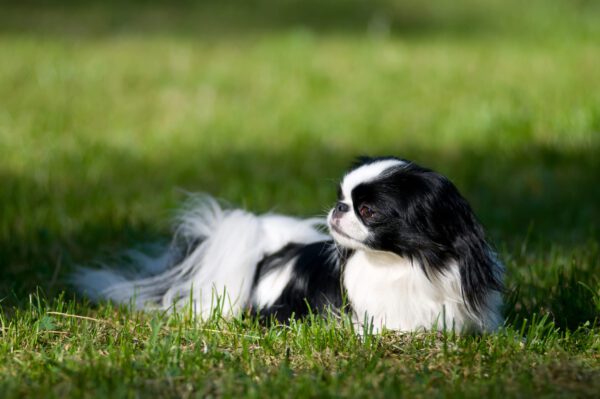
The Japanese Chin is an affectionate companion that loves a calm home and gentle attention. This toy breed is bright, catlike, and people oriented. The silky coat looks glamorous and the small size makes daily care manageable. A Japanese Chin bonds closely with family and enjoys short play sessions, soft beds, and quiet routines.
Research matters before you adopt a Japanese Chin in Alaska. The breed has a short muzzle and a fine-boned frame, which means you must manage cold exposure and avoid rough activity. Adoption is a compassionate choice because it gives a dog a second chance while supporting responsible animal care. Adoption also helps you learn about a dog’s history, health, and temperament, which improves match quality.
Alaska’s climate adds special considerations for this breed. Winters are long and cold, and sidewalks can be icy. A Japanese Chin needs warm layers, protective booties, and limited outdoor time during extreme weather. Many Alaska homes suit this breed well because indoor lifestyles are common during winter, and apartments or small houses can meet exercise needs through short walks and indoor play. Rural areas require extra supervision due to wildlife and remote veterinary access, so adopters should plan secure leashing and reliable transport for care.
You can avoid searching for rescues and shelters separately by using the listings on Dog Academy. The listings bring together available dogs from local animal shelters, regional rescues, and breed-specific rescue groups. You can filter by location, age, and size, then follow clear instructions to contact the placing organization. Dog Academy also offers educational guides and adoption checklists that help you prepare supplies, plan vet care, and organize your first week at home.
Start by browsing current listings and reading each profile carefully. Profiles usually describe age, size, activity level, and medical updates. The next step is an application that asks about your home, schedule, and experience with small dogs. Many groups request references and landlord approval when needed. A coordinator reviews your information to confirm that your lifestyle matches the dog’s needs.
After an application review, you schedule a meet-and-greet. A meet-and-greet is a supervised visit that allows you to observe the dog’s comfort level with you and any resident pets. Some groups offer a virtual meet first, which helps when winter travel is difficult. A home check often follows. A home check is a quick inspection that confirms safe housing, secure doors, a plan for bathroom breaks in winter, and a strategy for veterinary care. Approval timelines vary with volunteer availability and weather, but many adoptions in Alaska finalize within 1 to 3 weeks once you submit all documents.
Availability for a Japanese Chin in Alaska can be limited due to population size. Regional rescues sometimes arrange transport to move dogs between locations when a good match exists. Transport is often arranged by rescues to move dogs between states or within Alaska using ground drivers or flights. Coordinators explain routes, costs, and pick-up plans so that you know exactly how your dog will arrive.
|
How Much Does It Cost to Adopt a Japanese Chin in Alaska?Adoption fees for a Japanese Chin in Alaska typically range from $250 to $500. The range reflects the higher cost of veterinary services in the state and the logistics involved in placing small companion breeds. Young adults and popular color patterns often place at the higher end. Seniors or dogs with known medical needs may place at the lower end with disclosed care plans. Fees usually include spaying or neutering, vaccinations, microchipping, and veterinary exams. Costs also shift with recent dental cleanings, behavioral training, and any transport required to bring the dog into Alaska. Demand for small indoor breeds influences pricing as well, since many Alaska families prefer compact companions that do well in apartments and winter conditions. |
How Should I Train a Japanese Chin?The Japanese Chin is intelligent and sensitive, which makes positive reinforcement the best approach. Reward calm behavior with small treats and warm praise. Keep sessions short and upbeat, and use gentle handling. This breed responds quickly to consistent cues and can learn many tricks, which helps build confidence and trust. Common challenges include house training in cold months, barking when excited, and worry when left alone. Set a predictable potty schedule and use a covered area or indoor potty solution during severe weather. Teach quiet on cue by rewarding silence after a single alert bark. Build independence with short departures and food puzzles. Use a well-fitted harness and practice loose-leash skills to prevent slips on icy sidewalks. Soft coats need regular brushing, so teach cooperative grooming with treats to reduce stress. For structured guidance tailored to small companion breeds, explore Dog Academy’s online training courses. Step-by-step lessons show you how to teach basics, solve common issues, and create enrichment plans that work indoors during harsh weather. Courses fit busy schedules and help every family member stay consistent. |
|
The ideal adopter enjoys quiet time at home, provides gentle handling, and commits to daily grooming and short walks. Families with respectful children or adults who work from home often suit this breed well. A secure leash plan, winter gear, and a warm indoor space keep a Japanese Chin safe and content in Alaska.
Take your time to research, prepare your supplies, and speak with coordinators about each dog’s needs. Patience leads to the best match. When you are ready, browse listings, complete your application, and welcome a loving companion who thrives by your side through long Alaska winters and bright summer days.

Introducing a new puppy to your current dog is often an exciting process, and many dogs will become fast friends and eas...
Read More
Rescue dogs can make great companions and can transform your home into something better. These dogs make great pets and ...
Read More
You should never rush to pet a dog. Even dog owners make the mistake of approaching unfamiliar dogs and petting them rig...
Read More
Puppy mill dogs are survivors who have endured extreme hardships in their lives. They have grown up in horrendous, unsan...
Read More
With their wagging tails and comforting presence, adopting a dog can add a unique touch to your life. It’s a heart...
Read More
Older dogs may have a few gray hairs around the edges, but that doesn’t mean they can’t make wonderful companions! T...
Read More