















Introducing a new puppy to your current dog is often an exciting process, and many dogs will become fast friends and eas...
Read MoreAdopt Me

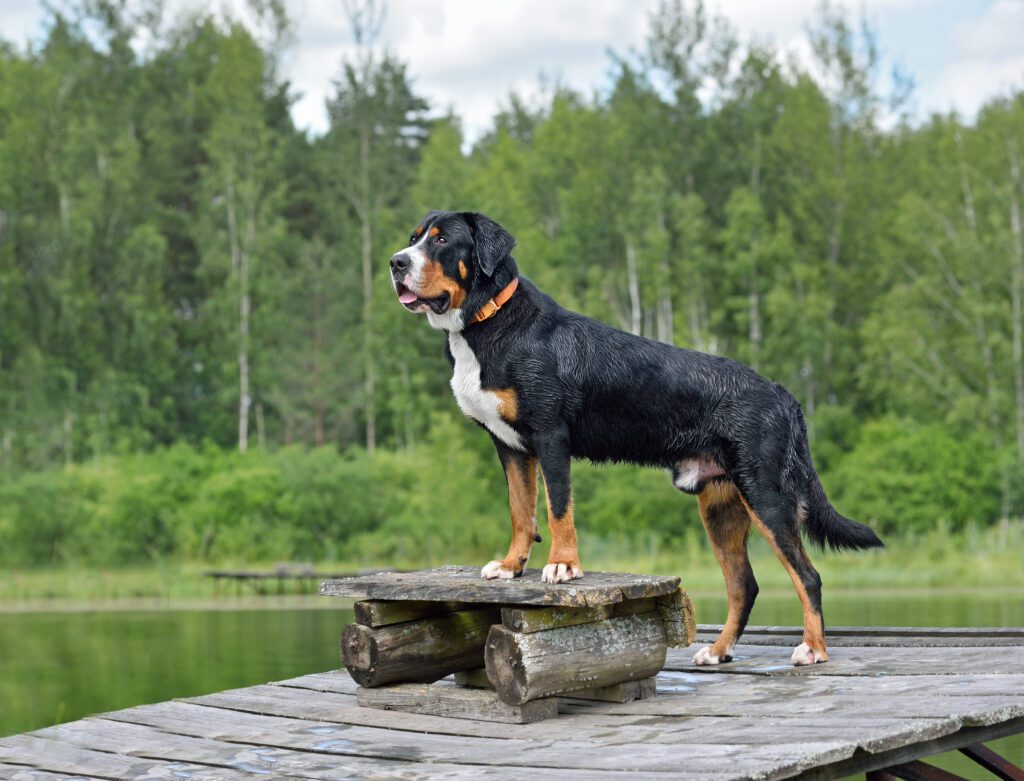


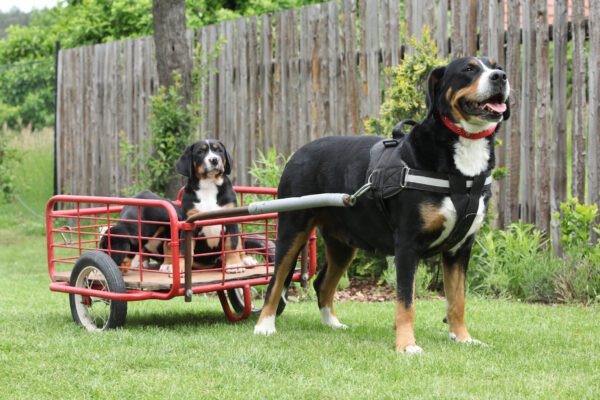
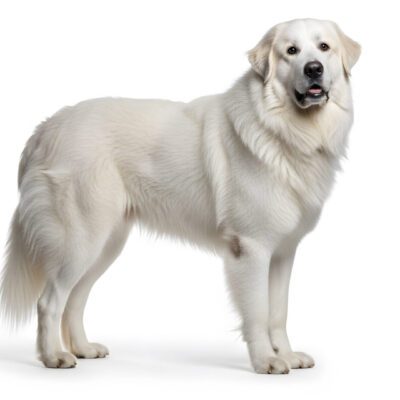
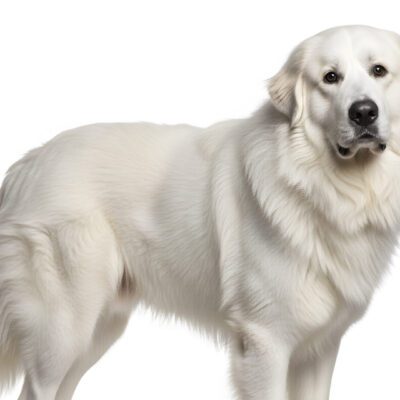
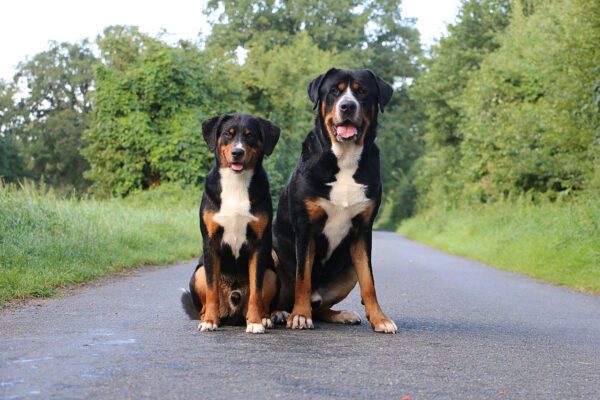
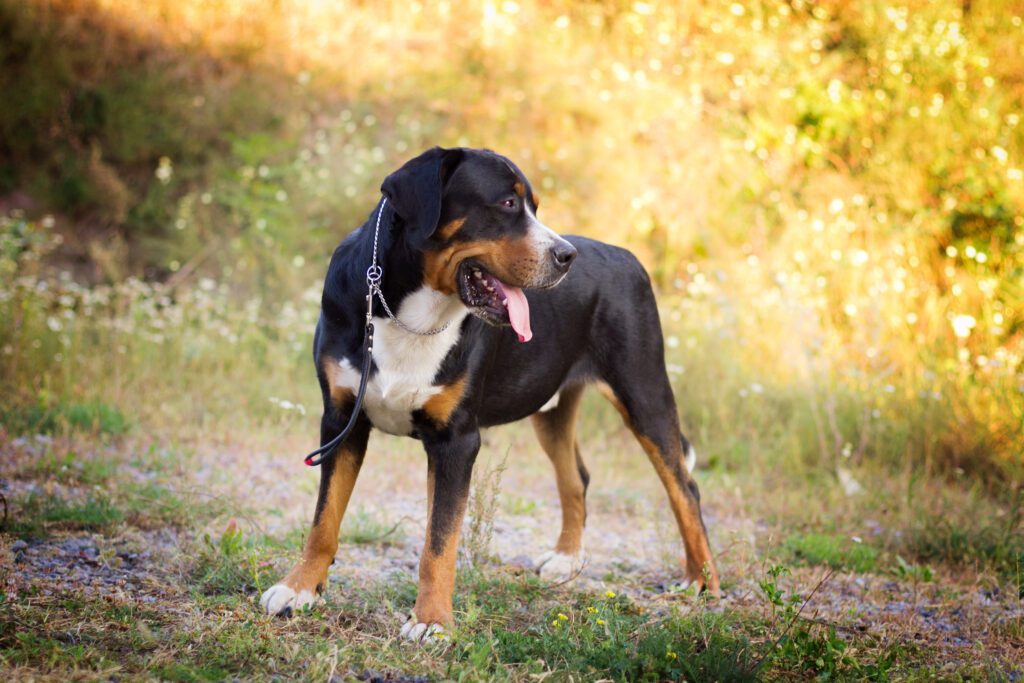
The Greater Swiss Mountain Dog is a loyal, steady, and athletic working breed that bonds closely with family. This breed is confident and friendly, and it thrives when it has a job to do and people to follow. Research matters before you adopt because this is a large and powerful dog that needs structure, training, and daily exercise. Adoption is often the best path because it gives a dog a second chance and it helps reduce demand for irresponsible breeding while still matching you with a healthy and well assessed companion.
Alaska suits the Greater Swiss Mountain Dog because the double coat handles cold and snow very well. The state’s wide open spaces and trail access give this breed room to stretch its legs. The terrain and winter conditions add responsibility, since footing can be slick and wildlife is active. Families who enjoy hiking, skijoring, or long winter walks are a great fit, as long as they provide leadership, socialization, and safe housing. Urban living can work when you commit to multiple daily outings, mental enrichment, and clear rules inside the home.
You can avoid searching local shelters and rescues one by one by starting with Dog Academy. You can browse current Greater Swiss Mountain Dog listings, filter by location, and use helpful adoption checklists and educational guides that explain each step. You can then contact local animal shelters, regional rescues, and breed-specific rescue groups to confirm availability and requirements.
Begin by browsing adoptable dogs and reading each profile in full. Profiles usually include age, size, temperament notes, medical history, and ideal home details. Next, submit an application that answers questions about your schedule, experience, home, and lifestyle. Many organizations request personal references and landlord approval when a lease applies. Clear and thorough answers help reviewers match you with the right dog.
After the application, most groups schedule a phone interview and a home check. Home checks can be in person or virtual, and they verify safe fencing, secure storage for food and medications, and a plan for exercise and training. A meet and greet follows when possible. The meet and greet allows you and any current pets to interact with the Greater Swiss Mountain Dog under supervision. If the fit is solid, you sign an adoption contract and pay the fee. Many groups approve within 1 to 3 weeks, though timelines can extend during winter storms or holidays.
Alaska’s distance between communities can limit in-state availability. Rescues sometimes arrange transport to move dogs between locations when a good match is found. Transport is often ground or air travel that moves the dog from a foster home to the adopter’s city, and it can add time and cost. Ask the group if transport is available, who coordinates the trip, and what health documents and crates are required for safe travel.
|
How Much Does It Cost to Adopt a Greater Swiss Mountain Dog in Alaska?Most adopters in Alaska can expect fees between $300 and $650, with puppies sometimes ranging from $450 to $800 when available. Costs trend higher for puppies due to demand and for dogs that arrive through long distance transport. Fees usually include spaying or neutering, vaccinations, microchipping, and veterinary exams. Some groups also include health certificates for travel and a starter supply of food. Age, training, medical care, and demand influence pricing. Adult dogs that have completed basic training and received orthopedic evaluations can cost more due to invested care. Dogs that need treatment or specialized medication may have lower fees paired with clear medical disclosures so that the adopter can budget for ongoing support. |
How Should I Train a Greater Swiss Mountain Dog?The Greater Swiss Mountain Dog is intelligent, people oriented, and eager to work with structure. This breed responds best to positive reinforcement with clear rules and calm leadership. Short, upbeat sessions build focus and trust. Lure and reward methods teach loose leash walking, impulse control, and recall without creating conflict. Because this is a strong dog, early training prevents pulling and jumping and it makes daily life safe and enjoyable. Common challenges include stubborn moments, vocal alerts, and distraction outdoors. Prevent problems by rewarding quiet behavior, practicing leash skills on easy terrain first, and rotating mental games like find it and simple cart work that reflects the breed’s heritage. Consistent socialization around people, dogs, vehicles, and winter gear builds confidence. For step by step guidance that fits busy Alaska schedules, try Dog Academy’s online training courses, which cover foundations, leash manners, recall, crate training, and enrichment plans you can practice at home or on safe trails. |
|
The ideal adopter enjoys daily activity in cold weather, provides a stable routine, and commits to training and socialization. A secure yard helps, though committed apartment adopters can succeed with multiple walks, structured play, and clear house rules. Preparation matters because a large working dog needs time, leadership, and smart exercise to thrive.
Take your time, read full profiles, and ask direct questions about health, behavior, and history. Gather supplies before pickup, confirm a vet appointment, and plan a quiet first week to help your new dog settle in. When you are ready to adopt a Greater Swiss Mountain Dog in Alaska, start with Dog Academy’s adoption listings and resources so that you can make a confident and compassionate match.
Introducing a new puppy to your current dog is often an exciting process, and many dogs will become fast friends and eas...
Read More
Rescue dogs can make great companions and can transform your home into something better. These dogs make great pets and ...
Read More
You should never rush to pet a dog. Even dog owners make the mistake of approaching unfamiliar dogs and petting them rig...
Read More
Puppy mill dogs are survivors who have endured extreme hardships in their lives. They have grown up in horrendous, unsan...
Read More
With their wagging tails and comforting presence, adopting a dog can add a unique touch to your life. It’s a heart...
Read More
Older dogs may have a few gray hairs around the edges, but that doesn’t mean they can’t make wonderful companions! T...
Read More