



























































































































































































Introducing a new puppy to your current dog is often an exciting process, and many dogs will become fast friends and eas...
Read MoreAdopt Me
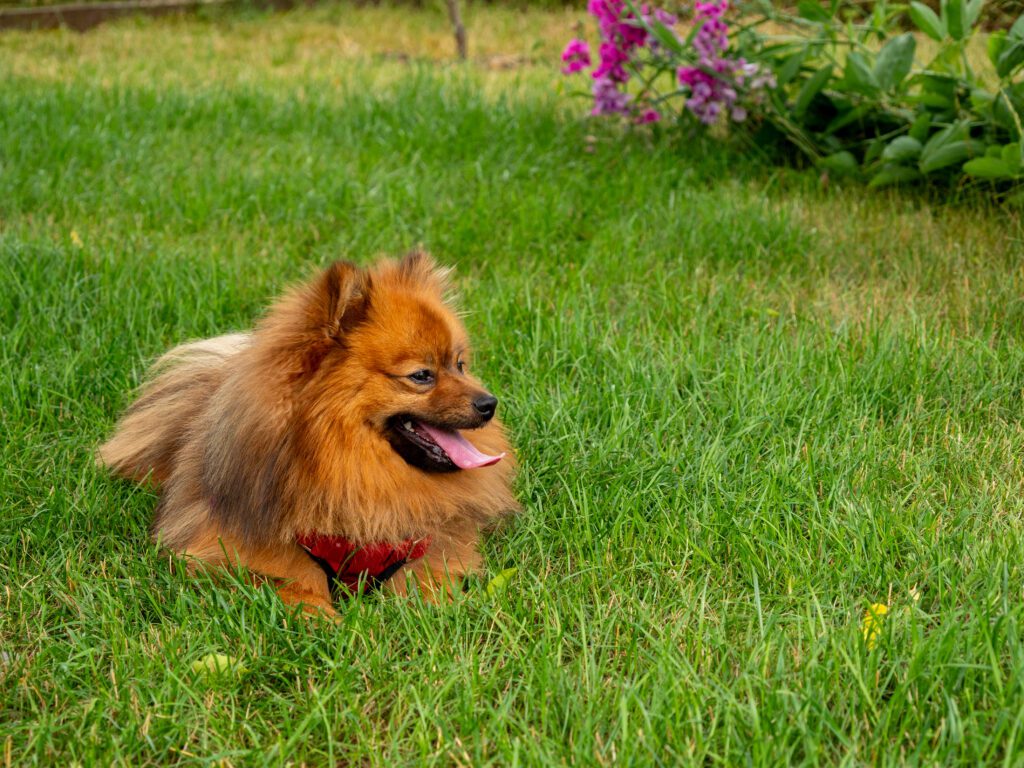
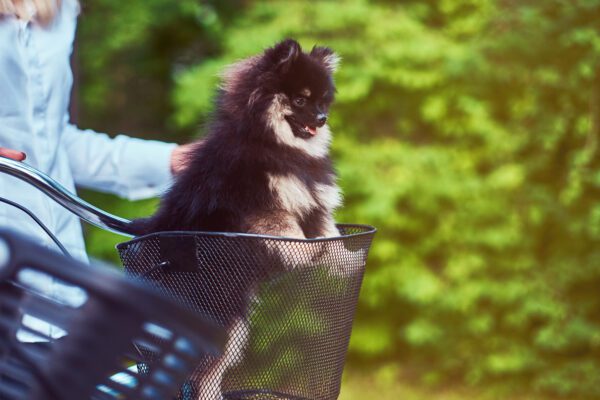
The German Spitz is a bright, affectionate, and lively companion that brings energy to every household. This breed is alert without being aggressive, people focused without being clingy, and playful without being unruly when guided well. A plush double coat, a foxlike face, and a quick mind make the German Spitz appealing to many first time and experienced dog owners.
It is important to research before you adopt. A German Spitz thrives with consistent training, daily exercise, and regular grooming, so planning helps you meet these needs from day one. Adoption is preferable to buying because it gives a dog a second chance, supports ethical placement, and often includes essential veterinary care that helps you start strong.
Alaska suits the German Spitz in many ways. The thick double coat insulates well in cold weather, and the breed enjoys brisk walks and snow play when paws are protected. Long winters, icy sidewalks, wildlife, and remote distances can challenge daily routines, so an Alaskan home should prioritize safe outdoor time, reliable indoor enrichment, and thoughtful socialization opportunities.
You can skip the separate search for rescues and shelters by browsing adoptable German Spitz dogs directly on Dog Academy. The listings gather opportunities from local animal shelters, regional rescues, and breed specific rescue groups in one place. Dog Academy also provides educational guides and clear adoption checklists that help you prepare your home, choose the right dog, and navigate each step with confidence.
Start by browsing current listings and reading full profiles. Focus on age, energy level, size, temperament notes, and any medical or training updates. Reach out with questions about daily routine, exercise needs, and compatibility with children or other pets. Understanding the breed’s alert nature and grooming requirements helps you match with a dog that fits your lifestyle in Alaska.
Most organizations use a straightforward process. You submit an application that explains your experience, schedule, home setup, and veterinary plan. Many groups arrange a phone interview and a meet and greet that may take place in a neutral location or at the shelter. Home checks confirm that fencing, indoor spaces, and safety plans fit the dog’s needs. Approval timelines vary by group, but many decisions arrive within 1 to 3 weeks when all references and checks are complete.
Availability in Alaska can fluctuate. Regional rescues sometimes arrange transport to move dogs between locations when a match is strong and distance is a barrier. Transport is often arranged by rescues to move dogs between states or rural and urban hubs, and it is usually scheduled on a set route with experienced volunteers or contracted carriers. Always ask how transport works, what the schedule looks like, and whether any travel surcharge applies so you can plan your pickup or delivery day.

|
How Much Does It Cost to Adopt a German Spitz in Alaska?In Alaska, the typical adoption fee for a German Spitz is about $250 to $500. The exact fee depends on age, training, medical history, and local demand for small northern breeds. Puppies and young adults often fall near the top of the range because they require more preventive care and high demand can increase fees. Senior dogs can be less, and many groups reduce fees to encourage faster placement when long term care is already documented. Fees usually include spaying or neutering, vaccinations, microchipping, and veterinary exams. Costs can rise if a dog needs dental work, skin treatment, or specialized diagnostics before placement. Some organizations add a modest transport surcharge when moving a dog into Alaska from another region, which reflects fuel, routing, and caregiver time. Always ask for an itemized breakdown so you understand exactly what your fee covers and how it supports the dog’s care. |
How Should I Train a German Spitz?The German Spitz is intelligent, eager, and quick to learn when training is positive and structured. Short sessions, clear cues, and generous rewards keep focus high and reduce frustration. Early socialization helps channel the breed’s natural alertness into calm behavior around guests, delivery noises, and common Alaskan sights such as bundled neighbors and snow gear. Barking and independence can be common challenges. Teach a reliable name response, a strong recall, and a quiet cue that rewards brief pauses in vocalizing. Practice loose leash skills on safe, grippy surfaces to handle ice and snow. Add mental workouts such as scent games and puzzle feeding to burn energy when storms limit outdoor time. For step by step guidance, explore Dog Academy’s online training courses, which cover foundation manners, impulse control, and confidence building for alert breeds like the German Spitz. |
|
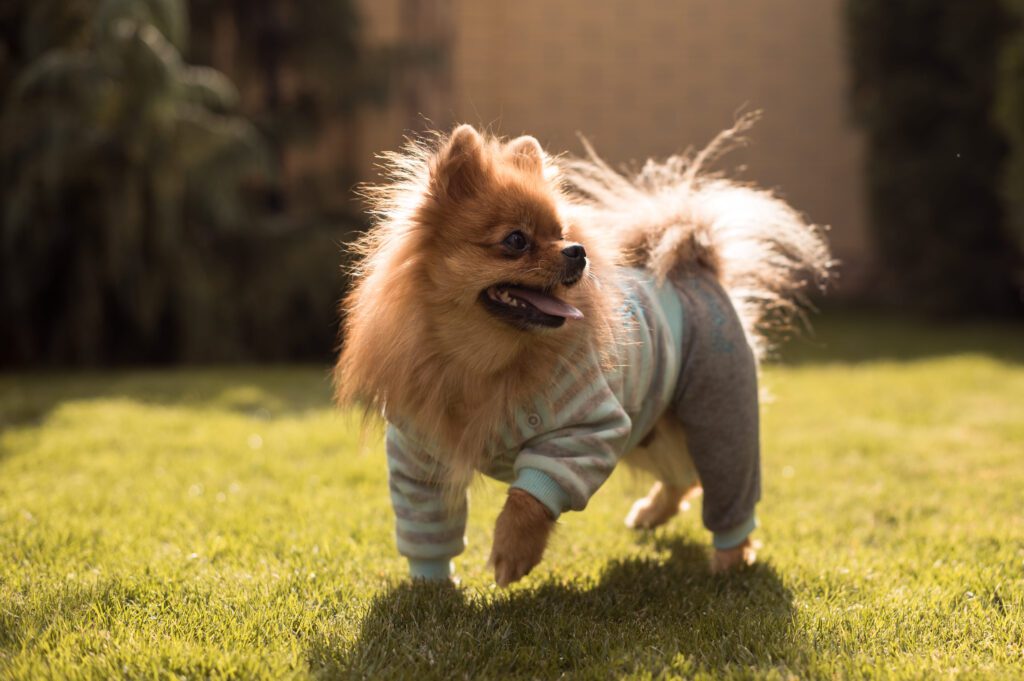
The ideal adopter enjoys brisk walks, consistent routines, and daily time for brushing and training. Families that value a watchful companion and can offer structured social time will help this breed shine. Preparation matters, so gather supplies, set up safe rest zones, and plan enrichment activities before adoption day.
Adopt with patience and purpose. Take time to review detailed profiles, ask thoughtful questions, and meet more than one dog if needed. When you feel ready, use Dog Academy to streamline your search, learn best practices, and move forward with the right German Spitz for your Alaskan home.

Introducing a new puppy to your current dog is often an exciting process, and many dogs will become fast friends and eas...
Read More
Rescue dogs can make great companions and can transform your home into something better. These dogs make great pets and ...
Read More
You should never rush to pet a dog. Even dog owners make the mistake of approaching unfamiliar dogs and petting them rig...
Read More
Puppy mill dogs are survivors who have endured extreme hardships in their lives. They have grown up in horrendous, unsan...
Read More
With their wagging tails and comforting presence, adopting a dog can add a unique touch to your life. It’s a heart...
Read More
Older dogs may have a few gray hairs around the edges, but that doesn’t mean they can’t make wonderful companions! T...
Read More