




























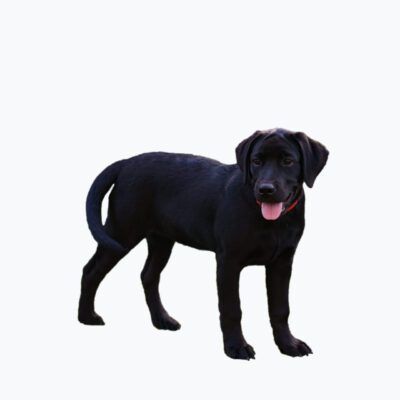































































































































































Introducing a new puppy to your current dog is often an exciting process, and many dogs will become fast friends and eas...
Read MoreAdopt Me

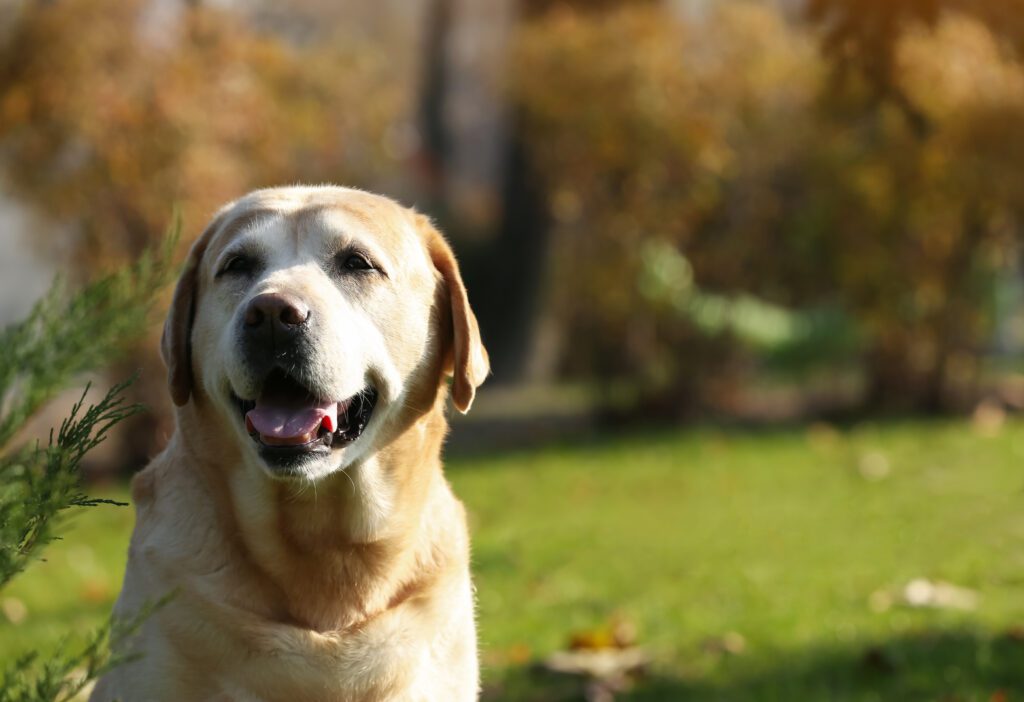



English Labradors are affectionate, easygoing, and steady companions that thrive with families, singles, and seniors. The build is typically stockier than field lines, and the temperament often skews calm, patient, and eager to please. Strong retrieving instincts and a love of water make this breed a natural fit for active North Carolina lifestyles that include lakes, beaches, and backyard play.
Thoughtful research sets up a successful adoption. English Labradors need daily exercise, consistent training, and meaningful mental enrichment. A dense double coat sheds year-round and becomes heavier during seasonal changes, which means regular brushing and home cleaning. Common concerns include ear infections due to heavy ears, weight gain without portion control, and joint issues such as hip and elbow dysplasia, so proactive care matters.
Adoption gives a dog a second chance while lowering upfront costs compared with buying from a breeder. North Carolina offers strong variety for this breed. Hot and humid summers require shade, fresh water, and exercise during cooler hours. Mild winters suit a double-coated dog well. The coast invites swims and careful sun management, the Piedmont offers suburban parks and greenways, and the mountains provide cooler hikes that match the breed’s stamina. Year-round parasite prevention is important in North Carolina due to mosquitoes, ticks, and fleas.
You can skip searching shelters and rescues one by one by using Dog Academy to browse adoptable English Labradors across North Carolina. Dog Academy centralizes listings, offers educational guides, and provides practical adoption checklists that help you prepare your home, clarify expectations, and finalize paperwork with confidence.
Adoptable dogs appear through local animal shelters, regional rescues, breed-specific rescue groups, and foster networks. You can filter by age, size, and location, then read profiles that describe temperament, energy level, and medical history. Some rescues coordinate transport to move dogs between locations when a strong match is found, and transport is often arranged by rescues to move dogs between states or across North Carolina to reach approved adopters.
The process usually starts with browsing listings, then submitting an application that includes personal information, lifestyle details, and permission for reference checks. Many organizations request landlord approval when you rent, veterinary references for current pets, and proof that all household members agree to the adoption. After an initial review, you can expect a phone interview, a meet-and-greet, and sometimes a virtual or in-person home check that verifies safe fencing, appropriate space, and secure storage for food and cleaning products.
Timelines vary by organization. Some shelters approve on the same day after a successful meet-and-greet. Foster-based rescues often require several days to coordinate interviews, confirm references, complete home checks, and arrange pick-up or transport. Approval concludes with an adoption contract, payment of the fee, and a scheduled handoff where you receive records, microchip details, and care instructions.
|
How Much Does It Cost to Adopt a English Labrador in North Carolina?Most adopters in North Carolina can expect to pay $200 to $450 for an adult English Labrador and $300 to $600 for a puppy. Fees trend toward the higher end for puppies and highly in-demand dogs, and toward the lower end for seniors or dogs with ongoing medical needs. Costs reflect prior care and local demand for the breed. Adoption fees usually cover spaying or neutering, vaccinations, microchipping, and veterinary exams. Many organizations also include heartworm testing, deworming, and initial preventives. Prices vary based on age, training, medical care, and demand. Dogs that arrive already house trained, crate trained, or obedience trained may be listed at a higher fee because training reduces the adopter’s upfront work and cost. |
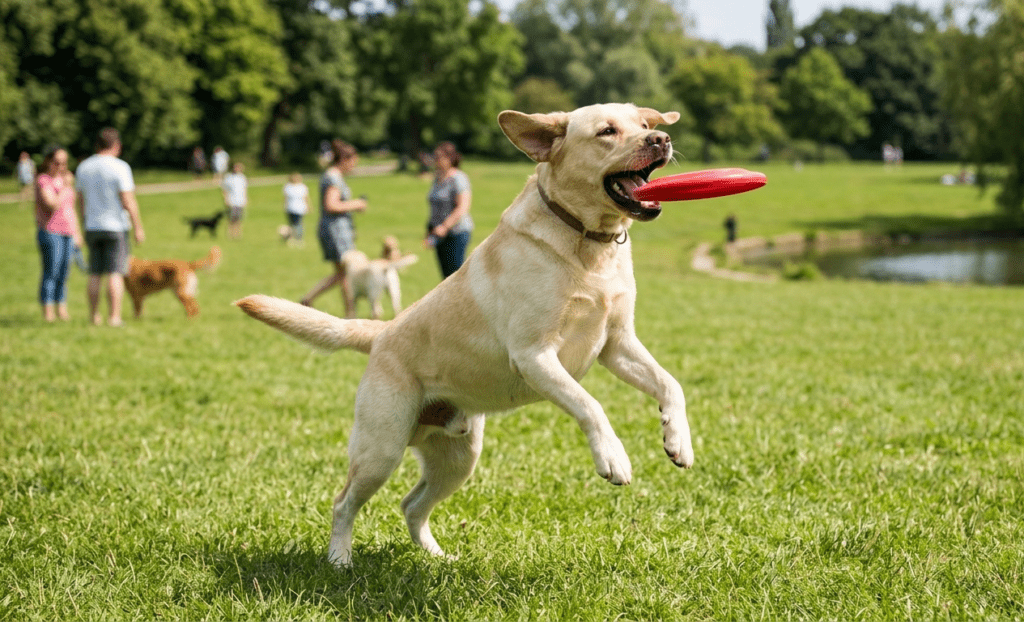
How Should I Train a English Labrador?English Labradors are intelligent, people oriented, and highly food motivated, which makes positive reinforcement a perfect fit. Short, upbeat sessions build focus and confidence while preventing boredom. Clear cues, generous rewards, and predictable routines help the breed learn quickly and enjoy the process. Common challenges include pulling on leash, jumping to greet people, mouthing during excitement, and counter surfing. You can address these behaviors with impulse control games, structured leash practice, and consistent reinforcement of calm greetings. Daily mental enrichment through scent games, puzzle feeders, and structured retrieves keeps energy productive and reduces destructive chewing. Early socialization, house training, and cooperative care are essential. Teach the dog to accept ear cleaning, nail trims, and baths, since ear care and grooming are frequent needs for this breed. For step-by-step support, explore Dog Academy’s online training courses, which provide clear lessons for basic manners, loose-leash walking, recall, and enrichment that suits energetic retrievers. |
|
The ideal adopter enjoys daily walks, engages in training, and provides time for play and rest. A home that offers safe outdoor space or frequent park visits works well, and a household that values companionship will appreciate the breed’s gentle nature. A plan for grooming, veterinary care, and year-round parasite prevention prepares you for success in North Carolina.
Take time to research, meet several dogs, and ask thoughtful questions about temperament and health. With patience and preparation, you can adopt a confident, loving English Labrador that fits your lifestyle. Start with Dog Academy adoption listings, use the included checklists, and move forward when everything feels right for you and for the dog.

Introducing a new puppy to your current dog is often an exciting process, and many dogs will become fast friends and eas...
Read More
Rescue dogs can make great companions and can transform your home into something better. These dogs make great pets and ...
Read More
You should never rush to pet a dog. Even dog owners make the mistake of approaching unfamiliar dogs and petting them rig...
Read More
Puppy mill dogs are survivors who have endured extreme hardships in their lives. They have grown up in horrendous, unsan...
Read More
With their wagging tails and comforting presence, adopting a dog can add a unique touch to your life. It’s a heart...
Read More
Older dogs may have a few gray hairs around the edges, but that doesn’t mean they can’t make wonderful companions! T...
Read More