






























































































































































Introducing a new puppy to your current dog is often an exciting process, and many dogs will become fast friends and eas...
Read MoreAdopt Me

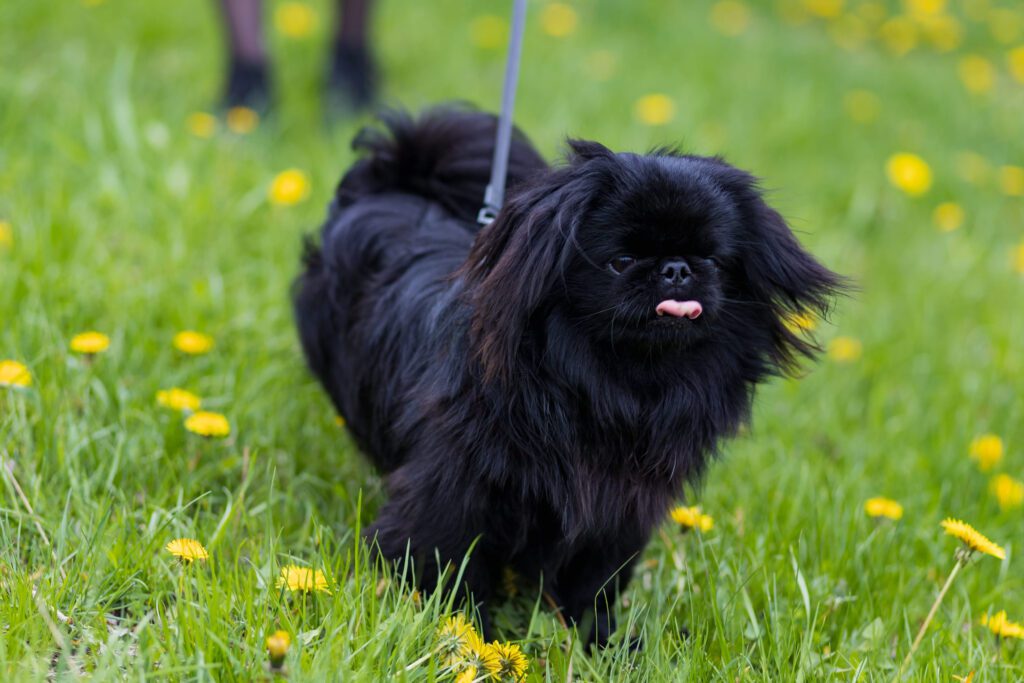

The Pekingese is a charming and loyal companion that thrives on close bonds with its family. This small breed is dignified, affectionate, and independent. A Pekingese tends to enjoy calm routines and short daily walks. Careful research helps you understand coat care, exercise needs, and health considerations before you adopt a Pekingese in North Carolina. Adoption gives a waiting dog a second chance and helps responsible organizations place dogs in stable homes.
North Carolina offers many lifestyles that suit a Pekingese. Coastal areas and the Piedmont can be hot and humid in summer, which challenges flat-faced dogs that overheat easily. The mountains are cooler yet can be brisk in winter. A Pekingese does best with climate control, shaded walks, and access to clean water at all times. The breed fits apartments or suburban homes since space needs are modest. Regular grooming and patient training keep this proud little dog comfortable and confident.
You can avoid searching shelters and rescues one by one by using listings on Dog Academy. You can browse adoptable dogs, filter by location, and read guidance that explains each step. Dog Academy also provides educational guides and adoption checklists that help you prepare your home, choose supplies, and plan your first weeks together. You can start with listings, save favorites, and contact the placement team with clear questions.
North Carolina adopters often find Pekingese through local animal shelters, regional rescues, and breed-specific rescue groups. Listings usually describe age, size, temperament, and health history. Some groups arrange transport to move dogs between locations when a good match is found. Transport is often organized by rescues to move dogs safely from crowded facilities to approved adopters who live in different counties or nearby states. Always confirm who handles veterinary records and who coordinates pickup so the transfer is smooth and secure.
The process starts by browsing listings and completing an application that covers lifestyle, housing, veterinary history, and references. Many organizations schedule a meet-and-greet to confirm compatibility and to observe how the dog responds to family members. A virtual or in-person home check verifies safety, secure fencing if required, and a quiet place for rest. Timelines vary, but approvals often take several days to a few weeks based on reference calls, staff availability, and the dog’s medical schedule. Understanding Pekingese needs strengthens your application. The breed benefits from short walks during cool hours, indoor living with air conditioning in summer, routine grooming, and patient socialization that respects a reserved nature.

|
How Much Does It Cost to Adopt a Pekingese in North Carolina?Most adopters in North Carolina can expect fees that range from $200 to $450 for a Pekingese. Puppies and young adults tend to be at the higher end due to demand and recent medical care, while seniors or special-needs dogs may be lower. Fees usually include spaying or neutering, vaccinations, microchipping, and veterinary exams. Costs rise when recent dental work, eye care, or specialized medications are provided before placement. Age, training, and medical history influence final pricing. A dog with current training, recent dental cleaning, and up-to-date preventatives may cost more because the rescue has invested in care. Location can also affect price when transport or extended boarding is involved. After adoption, plan a starter budget for grooming, a supportive harness, a crate, food, and a first veterinary visit. Many owners in North Carolina budget $50 to $100 per professional grooming session since the coat needs regular upkeep. |
How Should I Train a Pekingese?The Pekingese is intelligent and observant but can be independent. Short, upbeat sessions work best because the breed values calm structure over repetition. Use positive reinforcement with soft treats, praise, and gentle handling. Teach foundation skills such as name recognition, recall to a mat, loose-leash walking, and calm greetings. Early socialization with patient exposure helps a Pekingese feel secure around visitors and in busy neighborhoods. House training improves with a consistent schedule, frequent outdoor breaks, and a safe crate that encourages rest. Introduce grooming slowly so brushing, nail trims, and eye care feel routine rather than stressful. If you want step-by-step guidance, explore Dog Academy’s online training courses. The lessons show you how to build reliable manners, reduce barking through enrichment and structure, and reinforce polite behavior around doors, elevators, and stairs. |

|
A Pekingese suits owners who enjoy quiet companionship, gentle walks, and regular grooming. Preparation sets you up for success, from climate-aware routines to a calm home setup. Take time to read listings carefully, ask clear questions, and ensure the match fits your schedule and budget. When you adopt a Pekingese in North Carolina with a thoughtful plan, you welcome a loyal friend who will thrive by your side.
Introducing a new puppy to your current dog is often an exciting process, and many dogs will become fast friends and eas...
Read More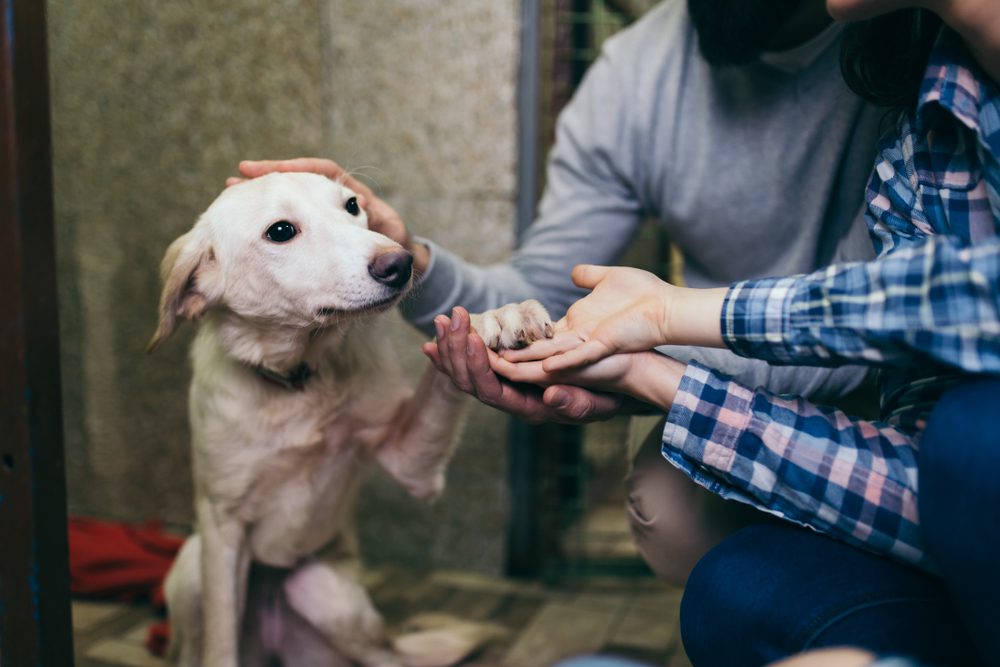
Rescue dogs can make great companions and can transform your home into something better. These dogs make great pets and ...
Read More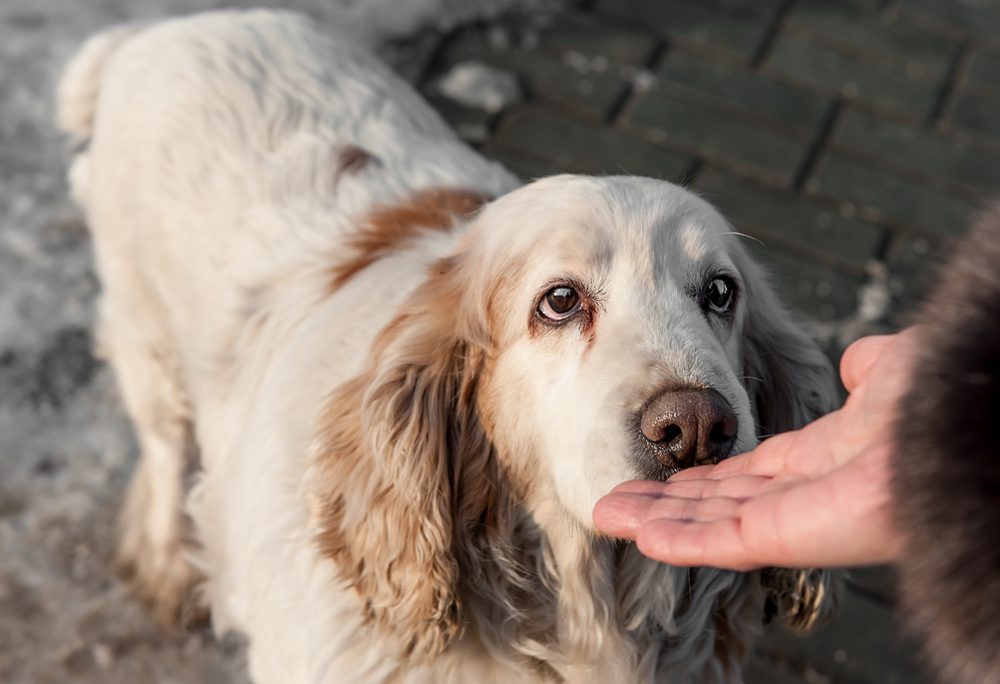
You should never rush to pet a dog. Even dog owners make the mistake of approaching unfamiliar dogs and petting them rig...
Read More
Puppy mill dogs are survivors who have endured extreme hardships in their lives. They have grown up in horrendous, unsan...
Read More
With their wagging tails and comforting presence, adopting a dog can add a unique touch to your life. It’s a heart...
Read More
Older dogs may have a few gray hairs around the edges, but that doesn’t mean they can’t make wonderful companions! T...
Read More