



























































































































































































Introducing a new puppy to your current dog is often an exciting process, and many dogs will become fast friends and eas...
Read MoreAdopt Me



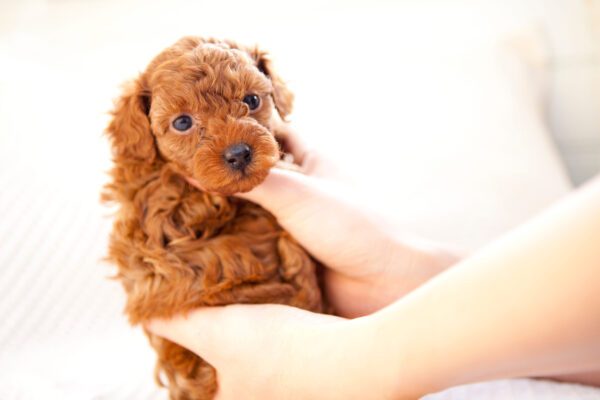
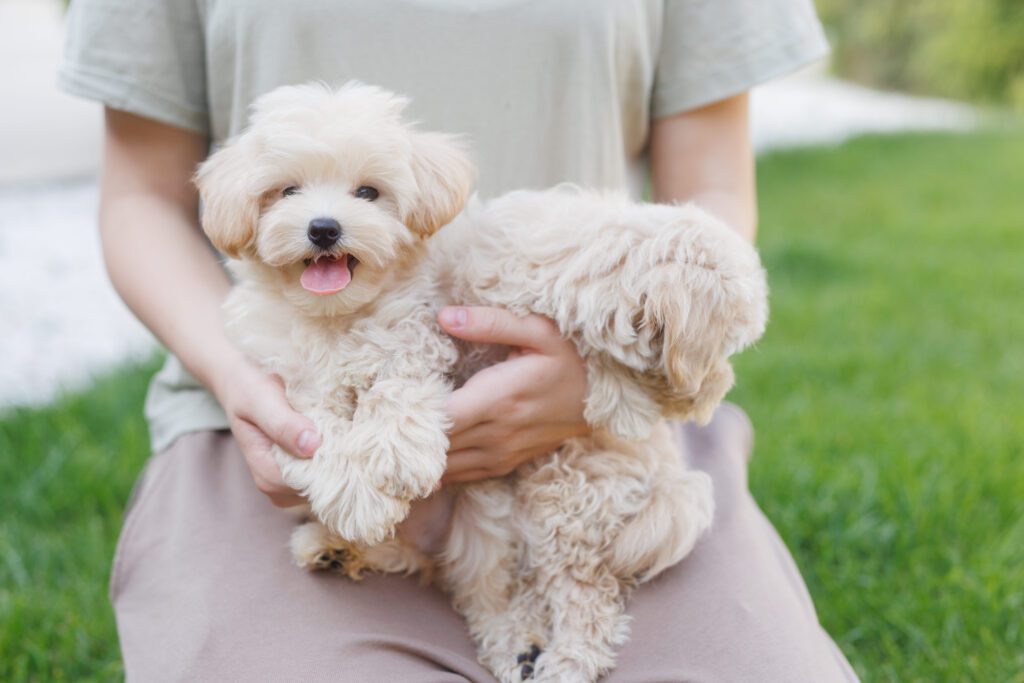
The Toy Poodle is bright, affectionate, and eager to please. This small companion thrives on human connection and offers a low-shedding coat that many families appreciate. The breed loves learning new skills and enjoys short, focused play sessions. Careful research matters before you adopt a Toy Poodle in North Carolina because matching energy levels, grooming needs, and schedules sets everyone up for success.
Adoption gives a dog a second chance and brings you a well-vetted companion at a fair cost. Choosing adoption supports responsible pet ownership and reduces pressure on crowded shelters and rescues. Many adoptable Toy Poodles arrive with known backgrounds and helpful notes from foster homes, which makes the transition smoother for first-time adopters.
North Carolina offers a strong fit for this petite breed. The state’s humid summers call for careful heat management, shaded walks, and steady hydration. Winters are generally mild at lower elevations, which supports regular outdoor time. Mountain trails and coastal paths can be wonderful, but small dogs need secure harnesses and tick prevention during hikes. Toy Poodles adapt well to apartments in cities and to quieter suburban homes, as long as they enjoy daily mental enrichment and gentle exercise.
You can avoid searching shelters and rescues one by one by using Dog Academy. You can browse current listings, filter by breed and location, and follow clear steps that outline applications and next actions. Dog Academy also provides educational guides and adoption checklists that help you prepare your home, evaluate fit, and schedule first-week care. This approach saves time while still letting you compare dogs from local animal shelters, regional rescues, and breed-specific rescue groups.
Start by browsing listings and reading each profile closely. Profiles often include age, size, medical notes, and behavior summaries from staff or fosters. Submit an application that shares your lifestyle, schedule, home setup, and experience with small dogs. Most groups ask for personal references and landlord approval when you rent. If your application moves forward, the next step is a meet-and-greet to observe temperament, handling comfort, and chemistry with all family members. Introductions with resident pets usually happen on neutral ground with leashes and calm guidance.
Many groups conduct home checks either in person or through virtual tours to confirm safety, secure fencing when applicable, and safe storage of cleaning products and medications. Approval timelines vary by organization and volume, though many adoptions in North Carolina finalize within 1 to 3 weeks once an application is complete. Some rescues use foster-to-adopt arrangements that let you confirm fit before finalizing paperwork. Transport is sometimes arranged by rescues to move dogs between states or regions, and this service uses volunteer drivers or professional carriers who follow set schedules and safety protocols. After approval, you sign an adoption contract, pay the fee, and receive medical records and next-step guidance for your first vet visit and training plan.
|
How Much Does It Cost to Adopt a Toy Poodle in North Carolina?Most adopters in North Carolina can expect to pay about $300 to $600 for a Toy Poodle. Fees trend higher for puppies and for dogs that received recent specialized care. Costs reflect spaying or neutering, vaccinations, microchipping, and veterinary exams. Age, current training, and demand also affect pricing. Senior dogs or dogs with ongoing medical needs sometimes have reduced fees, while young adults that are in high demand may sit at the top of the range. |
How Should I Train a Toy Poodle?Toy Poodles learn quickly and love short, upbeat sessions that use food rewards, toys, and praise. Positive reinforcement builds confidence and produces reliable manners without adding stress for a sensitive breed. Consistency matters, so keep cues simple and reinforce the same behaviors every day. Many Toy Poodles excel in house training, but small bladders require frequent breaks and a steady schedule. Enrichment like puzzle feeders and simple scent games helps channel energy and reduces boredom. Common challenges include alert barking, separation stress, and grooming intolerance. Teach a quiet cue, build calm alone time in small steps, and practice gentle handling of paws, ears, and face. Reward cooperative care so brushing and nail trims feel predictable and safe. Early socialization with friendly dogs and people supports polite behavior in busy neighborhoods. For step-by-step help, explore Dog Academy’s online training courses that cover foundation skills, enrichment, and solutions for small-dog challenges. |
|
The ideal Toy Poodle adopter enjoys daily companionship, short walks, and regular mental games. A great match commits to frequent brushing, scheduled professional grooming, and steady training. Small children and larger dogs can live safely with a Toy Poodle when adults supervise interactions and manage space thoughtfully.
Preparation sets the tone for a smooth homecoming. Gather essentials like a fitted harness, a secure crate, chew-safe toys, grooming tools, and high quality food recommended by your veterinarian. Plan your first vet visit, schedule grooming, and map a training routine before adoption day. Take your time, ask questions, and use Dog Academy’s resources so you can adopt a Toy Poodle in North Carolina with confidence and care.

Introducing a new puppy to your current dog is often an exciting process, and many dogs will become fast friends and eas...
Read More
Rescue dogs can make great companions and can transform your home into something better. These dogs make great pets and ...
Read More
You should never rush to pet a dog. Even dog owners make the mistake of approaching unfamiliar dogs and petting them rig...
Read More
Puppy mill dogs are survivors who have endured extreme hardships in their lives. They have grown up in horrendous, unsan...
Read More
With their wagging tails and comforting presence, adopting a dog can add a unique touch to your life. It’s a heart...
Read More
Older dogs may have a few gray hairs around the edges, but that doesn’t mean they can’t make wonderful companions! T...
Read More