



























































































































































































Introducing a new puppy to your current dog is often an exciting process, and many dogs will become fast friends and eas...
Read MoreAdopt Me


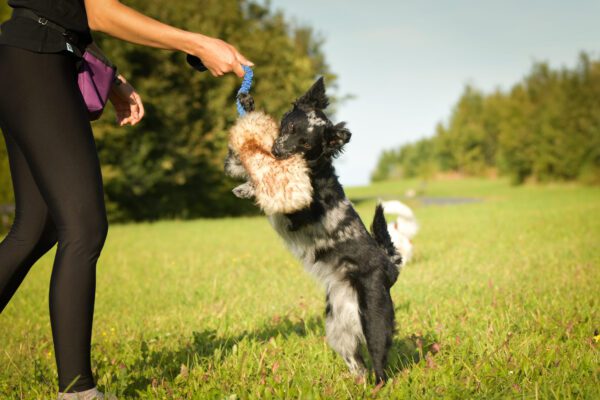
The Mudi is a rare Hungarian herding dog known for sharp intelligence, quick reflexes, and loyal affection for its family. This agile companion thrives when it has a job to do and regular time with its people. Careful research helps you understand energy needs, social behavior, and grooming so you can welcome a confident and well-matched dog into your life.
Adoption gives a dog a second chance and offers you transparency about temperament and health. Many adoptable Mudis are already spayed or neutered and have basic vetting, which reduces initial costs and stress. North Carolina offers a good home for this athletic breed, with mountain trails in the west, rolling Piedmont suburbs, and coastal communities that favor outdoor living. The state’s humid summers require thoughtful exercise planning, while mild winters and varied terrain give the Mudi room to learn, explore, and work.
North Carolina’s climate and geography suit a dog that enjoys activity and mental work. Plan for early morning or evening exercise in summer heat, steady tick prevention, and year-round enrichment. A Mudi can live comfortably in an apartment or a house when daily exercise, training, and mental games are priorities.
You can avoid searching rescues and shelters separately by using Dog Academy to browse up-to-date adoption listings in one place. Dog Academy also provides clear educational guides and adoption checklists so you can prepare your home, choose the right questions, and understand each step before you apply.
Start by checking local animal shelters, foster-based rescues, regional rescues, and breed-specific rescue groups. The Mudi is uncommon in North Carolina, so broaden your search to nearby states when needed. Many rescue groups coordinate transport to move dogs safely between locations. Transport is often arranged by rescues using volunteers or approved carriers, with meet-up points or home delivery depending on distance and the dog’s needs.
The process begins with browsing listings and reading each bio closely. Reach out to confirm details about energy level, behavior with children and other pets, and ongoing medical or training needs. Next, complete an application that usually asks for references, proof of landlord approval if you rent, and a veterinary contact if you have current pets. Meet-and-greets help you see how the dog interacts with your household. Home checks can be virtual or in person to confirm safe fencing, secure storage for supplies, and a calm space for decompression. Approval timelines vary, but many decisions take 1 to 3 weeks once your application is complete and your references are verified.
Some foster programs offer a short trial known as foster-to-adopt. This trial places the dog with you while the rescue stays involved, which allows everyone to confirm fit before finalizing the adoption. Whatever route you take, stay focused on the Mudi’s needs. Plan daily exercise, structured training, and mental work such as scent games or puzzle feeders. Prepare a schedule that balances activity with quiet rest so your new dog feels safe and supported.
|
How Much Does It Cost to Adopt a Mudi in North Carolina?Most adopters in North Carolina pay $250 to $500 to adopt a Mudi. Municipal shelters often fall near the lower end of this range, while foster-based or breed-focused rescues in or near North Carolina commonly land near $350 to $500 because the breed is rare and because extra services may be included. Fees usually cover spaying or neutering, vaccinations, microchipping, and veterinary exams. Some rescues include heartworm testing, dental cleanings, or professional transport, which can raise the fee. Age, training, medical care, and demand all affect price. Puppies and young adults often cost more than seniors. Dogs with completed training or recent medical treatments can have higher fees that reflect those investments. Rare availability can also nudge prices upward when transport from out of state is required. |
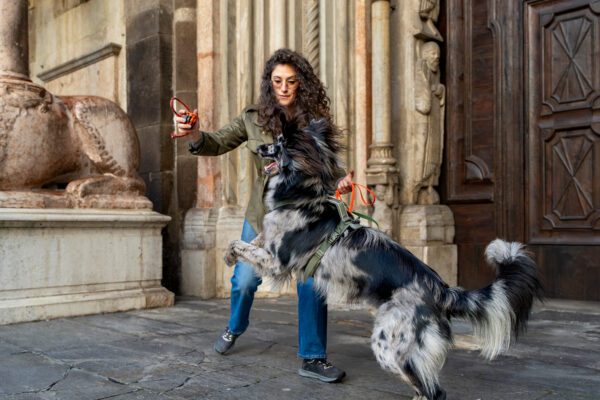
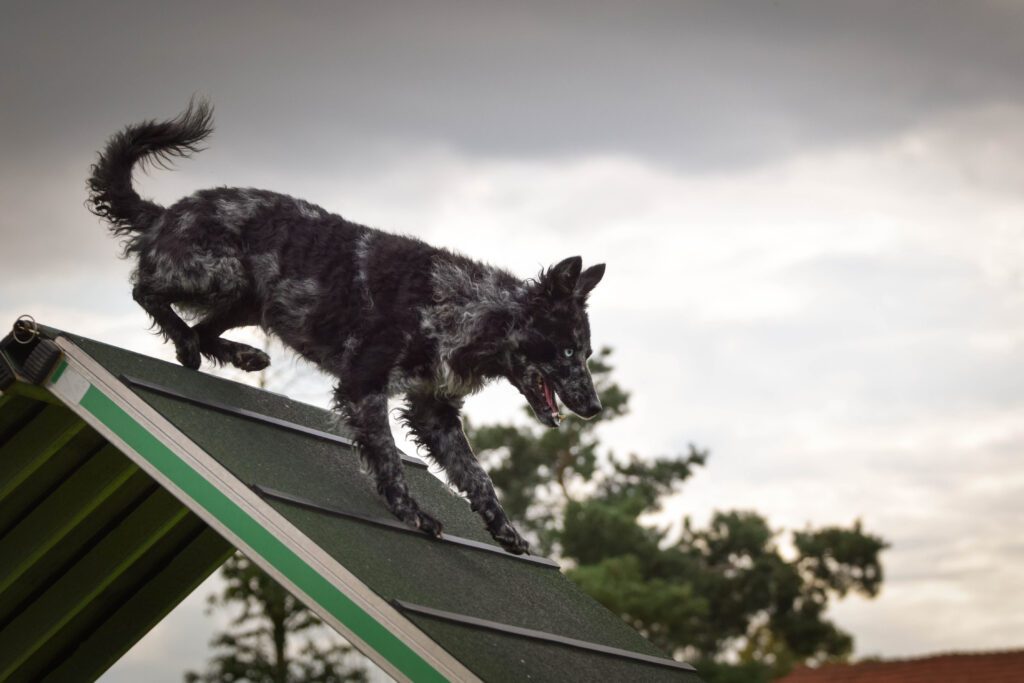
How Should I Train a Mudi?The Mudi is highly trainable and learns quickly when training is clear, upbeat, and consistent. Short sessions, generous rewards, and rapid feedback keep this clever herder engaged. Positive reinforcement builds confidence and motivates the dog to offer the right behavior again. Common challenges include alert barking, motion sensitivity, and classic herding behaviors such as chasing and nipping at heels. Focus early on calm settle skills, impulse control, polite greetings, and reliable recall. Provide daily mental work such as scent games, shaping exercises, and trick training to channel energy into productive tasks. Activities like agility, rally, disc, and herding lessons give the Mudi a job and prevent frustration. If you want expert structure and step-by-step plans, explore Dog Academy’s online training courses. These courses teach foundation skills, impulse control, leash manners, and advanced sport work with clear progressions that suit a fast-learning breed. |
|
The ideal Mudi owner enjoys daily activity, values smart training, and provides steady structure along with affection. A secure yard or thoughtful leash plan, a reliable exercise routine, and a rotating menu of mental games help this breed shine. Families who enjoy hiking, running, or dog sports often find the Mudi to be a joyful teammate.
Take your time, ask careful questions, and prepare your home before you bring your dog home. With patient research, a clear training plan, and the right resources, you can adopt a Mudi in North Carolina and build a trusting partnership that lasts for years.

Introducing a new puppy to your current dog is often an exciting process, and many dogs will become fast friends and eas...
Read More
Rescue dogs can make great companions and can transform your home into something better. These dogs make great pets and ...
Read More
You should never rush to pet a dog. Even dog owners make the mistake of approaching unfamiliar dogs and petting them rig...
Read More
Puppy mill dogs are survivors who have endured extreme hardships in their lives. They have grown up in horrendous, unsan...
Read More
With their wagging tails and comforting presence, adopting a dog can add a unique touch to your life. It’s a heart...
Read More
Older dogs may have a few gray hairs around the edges, but that doesn’t mean they can’t make wonderful companions! T...
Read More