




























































































































































































Introducing a new puppy to your current dog is often an exciting process, and many dogs will become fast friends and eas...
Read MoreAdopt Me




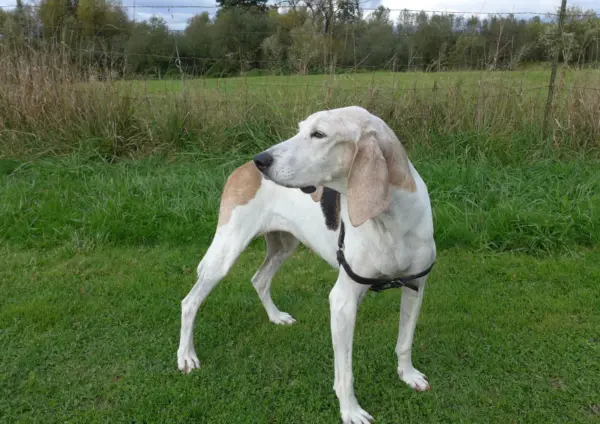
The Treeing Walker Coonhound is athletic, affectionate, and bold. This hound loves to run, sniff, and work alongside people. The breed’s keen nose and easygoing nature make it a fun partner for active families who enjoy time outdoors.
Thoughtful research matters before you bring one home. This breed has a strong prey drive, a musical bay, and serious stamina. Adoption is often the best path because it provides transparency about behavior and health while giving a deserving dog a second chance.
North Carolina suits this breed with forests, fields, and trails across the mountains, Piedmont, and coastal plain. Hot, humid summers call for shaded walks, steady hydration, and rest during mid-day heat. Mild winters invite year-round hiking and training. Rural properties and large suburban yards work well, and city living can succeed with daily exercise, sniffing outlets, and committed training.
You can avoid searching rescues and shelters separately by using adoption listings from Dog Academy. You can browse available Treeing Walker Coonhounds in one place and follow clear steps. You can also use Dog Academy guides and adoption checklists to prepare your home, plan your budget, and understand expectations before you apply.
Adoptable hounds appear through local animal shelters, regional rescues, and breed-specific rescue groups. Start by browsing listings, reading full bios, and confirming a good match for your lifestyle. Look for notes about energy level, comfort with children, comfort with cats, and yard needs. Make sure you understand this breed’s voice, exercise requirements, and scent-driven nature before you move forward.
Most applications ask about your home, schedule, fencing, veterinary history, and landlord approval if you rent. After an initial review, coordinators typically arrange a meet-and-greet at a shelter, a foster home, or a neutral location. Bring all household members and any resident dogs to confirm compatibility and to observe behavior in a calm setting.
Many groups complete a home check to confirm safety, secure containment, and general fit. Some teams conduct virtual video tours when distance makes travel difficult. Timelines vary by organization and applicant readiness. Many approvals in North Carolina finish within 1 to 2 weeks after a successful meet-and-greet and home check, depending on volunteer availability and response times for references.
If the right dog is outside your area, rescues may arrange transport to move dogs between locations. Transport is often organized with volunteer drivers or professional pet transporters who run scheduled legs across regions. Dogs usually travel after veterinary clearance and paperwork. Adopters meet at a designated handoff point once they are approved and fees are paid.

|
How Much Does It Cost to Adopt a Treeing Walker Coonhound in North Carolina?In North Carolina, most adopters pay $125 to $300 for an adult Treeing Walker Coonhound through shelters or rescues. Puppies commonly range from $250 to $400. These fees typically include spaying or neutering, vaccinations, microchipping, and veterinary exams. Costs shift with age, training, medical care, and demand. Dogs that received dental work or heartworm treatment may carry higher fees to offset care. Well trained dogs or dogs that come with starter supplies can sit at the top of the range. Seniors may be discounted to encourage adoption, and bonded pairs sometimes receive a reduced combined fee to keep them together. |
How Should I Train a Treeing Walker Coonhound?Treeing Walker Coonhounds are smart, curious, and scent driven. They respond best to clear feedback and meaningful rewards. Use positive reinforcement with food, toys, and praise to shape focus and manners. Common challenges include distracted recall, leash pulling, and baying. Build a reliable recall with name recognition, a long line, and short training sessions in quiet spaces. Add structured sniff walks, nosework games, and daily aerobic exercise to meet the breed’s needs and to reduce restlessness. Crate training and settle-on-mat skills help a hound relax at home. Practice loose leash walking with frequent reinforcement and strategic direction changes. Mark and reward quiet moments to teach calm. For step by step support, use Dog Academy’s online training courses that cover recall, manners, enrichment, and polite leash skills for active dogs. |
|
This breed fits an adopter who enjoys daily outdoor time, values routine, and welcomes a vocal companion. The best match provides a secure yard or a reliable long-line plan, consistent training, and plenty of mental work.
Prepare your home, choose a veterinarian, and gather essentials before you apply. Take your time, ask thorough questions, and trust the process. With research and patience, you can adopt a Treeing Walker Coonhound in North Carolina and bring home a loyal partner for years to come.

Introducing a new puppy to your current dog is often an exciting process, and many dogs will become fast friends and eas...
Read More
Rescue dogs can make great companions and can transform your home into something better. These dogs make great pets and ...
Read More
You should never rush to pet a dog. Even dog owners make the mistake of approaching unfamiliar dogs and petting them rig...
Read More
Puppy mill dogs are survivors who have endured extreme hardships in their lives. They have grown up in horrendous, unsan...
Read More
With their wagging tails and comforting presence, adopting a dog can add a unique touch to your life. It’s a heart...
Read More
Older dogs may have a few gray hairs around the edges, but that doesn’t mean they can’t make wonderful companions! T...
Read More