



























































































































































































Introducing a new puppy to your current dog is often an exciting process, and many dogs will become fast friends and eas...
Read MoreAdopt Me

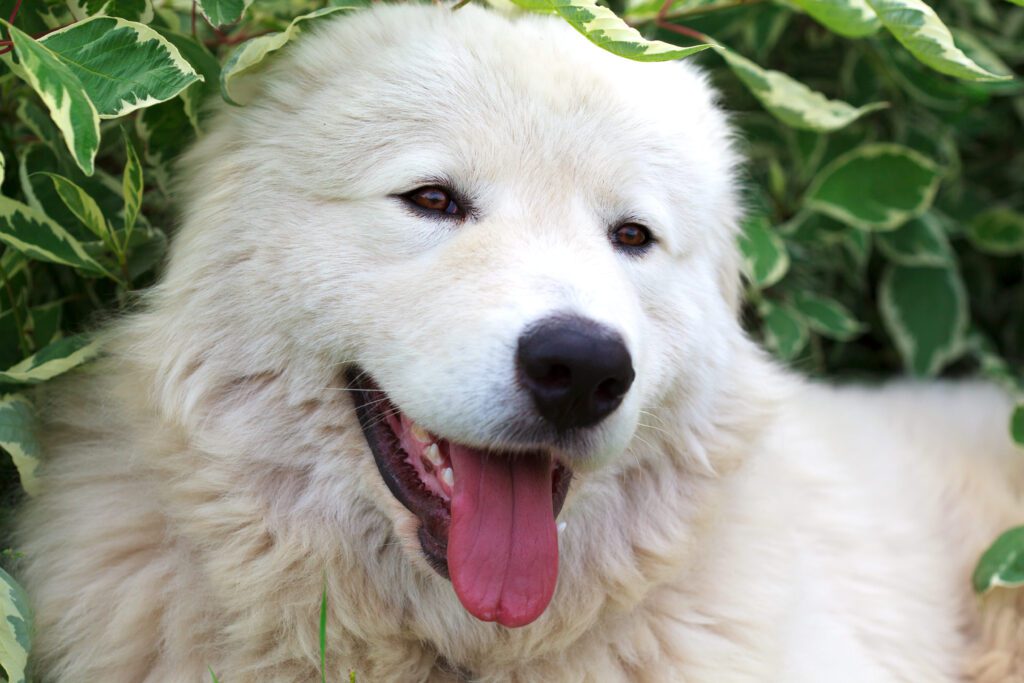


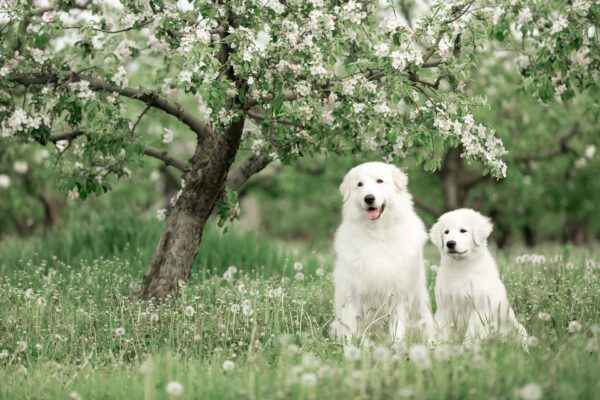
The Maremma Sheepdog is a calm, devoted guardian that bonds deeply with family and livestock. This breed is thoughtful, observant, and confident. A Maremma Sheepdog watches over home or pasture with quiet focus, then shows gentle affection once trust is earned. Careful research helps every adopter decide if this independent livestock guardian is the right fit.
Adoption gives a deserving dog a new start and helps reduce overpopulation. Adopters often gain transparent histories and post-adoption support. Buying a puppy can invite unknown risks and higher costs. Adopting a Maremma Sheepdog in North Carolina can work beautifully when the home matches the breed’s needs.
North Carolina offers varied terrain and climate that affect daily care. Summers are hot and humid across much of the state, which can challenge a thick double coat. The mountains offer cooler air while the Piedmont and coastal plain stay warmer for longer. A Maremma Sheepdog does best with shade, fresh water, and exercise during mornings or evenings in summer. Rural properties with secure fencing are ideal. Suburban homes can also work when exercise, mental stimulation, and thoughtful management are consistent.
You can save time by browsing listings through Dog Academy instead of searching local animal shelters and regional rescues one by one. Dog Academy also provides helpful guides and adoption checklists so you can prepare every step with confidence. You can still check local animal shelters, regional rescues, and breed-specific rescue groups for additional options, especially if you prefer in-person visits.
Start by browsing listings and reading full profiles. Good listings explain age, size, temperament, energy level, and any history with livestock, children, or other pets. Next, submit an application. Applications often ask about fencing, daily schedule, experience with large dogs, and plans for training and exercise. Providing clear details helps reviewers understand your home and speeds up approval.
After an initial review, many organizations schedule a meet-and-greet. A meet-and-greet allows your family and any resident pets to interact with the dog in a calm space. Some organizations also request a home check. A home check can be virtual or in person and verifies secure fencing, safe containment, and a suitable routine for a working guardian breed. Approval timelines vary. Local shelters may approve within 1 to 7 days. Breed-focused rescues often take 7 to 21 days due to reference checks and matching.
Adoptions that involve rural fosters or out-of-area matches may include transport. Transport is often arranged by rescues to move dogs between locations using volunteer drivers or professional carriers. Transport teams coordinate safe handoffs, provide rest breaks, and confirm arrival times so the dog reaches your home with minimal stress.

|
How Much Does It Cost to Adopt a Maremma Sheepdog in North Carolina?Expect most adoption fees in North Carolina to range from $250 to $600 for a Maremma Sheepdog. Fees tend to be lower through municipal shelters and higher through breed-focused rescues that invest more in evaluation and training. Younger dogs and fully vetted working prospects can sit at the higher end. Senior dogs or dogs that need quiet homes may be closer to the lower end. Fees usually reflect age, training, medical care, and demand. Many organizations include spaying or neutering, vaccinations, microchipping, and veterinary exams in the fee. Costs can also rise when dogs receive dental work, orthopedic care, or extended boarding. Transparent listings should explain exactly what the fee covers and how the dog has progressed in foster care. |
How Should I Train a Maremma Sheepdog?The Maremma Sheepdog is intelligent and steady, but the breed is independent by design. A Maremma Sheepdog learns best when training feels purposeful. Short sessions build focus without creating frustration. Positive reinforcement, clear boundaries, and calm repetition produce reliable results. Common challenges include boundary testing, alert barking, and selective recall. A secure yard and a long line for practice make recall training safer. Socialization to people, livestock, and friendly dogs helps the dog read situations with confidence. Many owners benefit from structured lessons that teach leash manners, polite greetings, and solid stationing at gates and doors. You can build skills at home with Dog Academy’s online training courses. Courses use step-by-step videos and printable plans that focus on positive reinforcement. Lessons cover impulse control, calm greetings, loose-leash walking, and dependable recall, which are essential for a thoughtful guardian breed. |
|
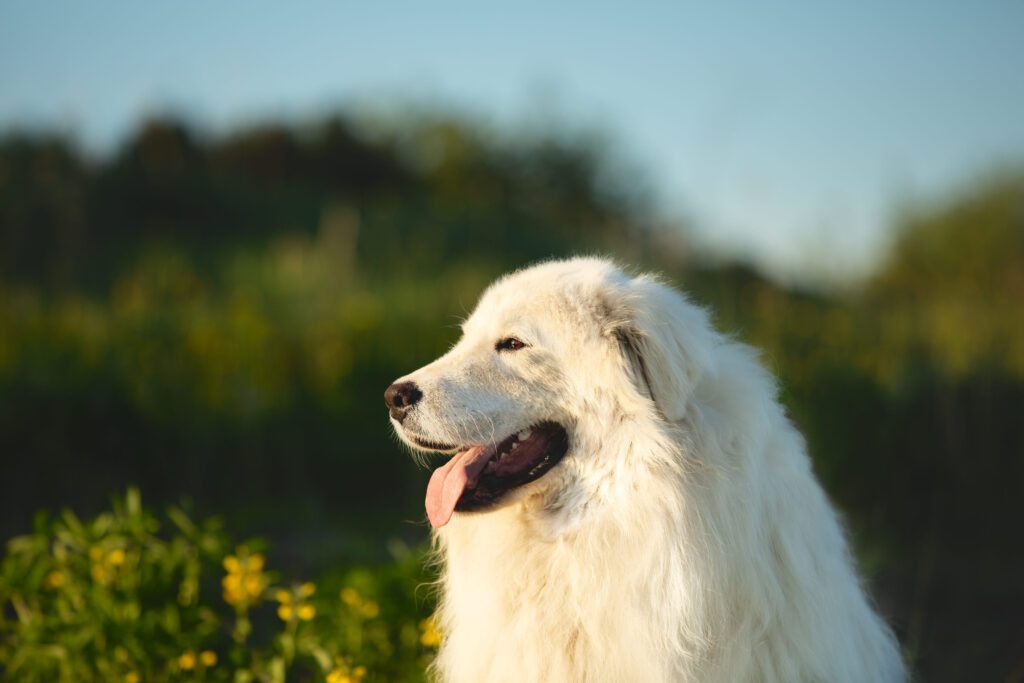
The ideal adopter has a secure fenced area, a consistent routine, and a calm home that values steady companionship. Rural or hobby farm settings can give a Maremma Sheepdog the space and structure the breed enjoys. Suburban adopters can succeed with daily exercise, mental enrichment, and management that channels natural guarding instincts.
Preparation leads to success. Review breed needs, set up fencing, and gather training tools before the dog arrives. Take your time, ask clear questions, and choose the dog that matches your lifestyle and experience. When you are ready to adopt a Maremma Sheepdog in North Carolina, use Dog Academy to browse current listings and move forward with confidence.

Introducing a new puppy to your current dog is often an exciting process, and many dogs will become fast friends and eas...
Read More
Rescue dogs can make great companions and can transform your home into something better. These dogs make great pets and ...
Read More
You should never rush to pet a dog. Even dog owners make the mistake of approaching unfamiliar dogs and petting them rig...
Read More
Puppy mill dogs are survivors who have endured extreme hardships in their lives. They have grown up in horrendous, unsan...
Read More
With their wagging tails and comforting presence, adopting a dog can add a unique touch to your life. It’s a heart...
Read More
Older dogs may have a few gray hairs around the edges, but that doesn’t mean they can’t make wonderful companions! T...
Read More