







































































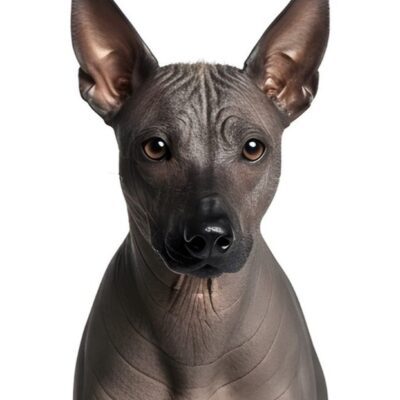

Introducing a new puppy to your current dog is often an exciting process, and many dogs will become fast friends and eas...
Read More
How to Introduce a New Puppy to Your Dog
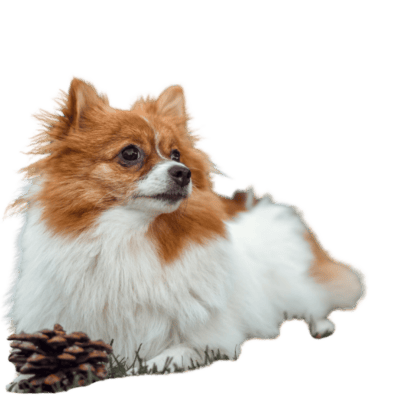
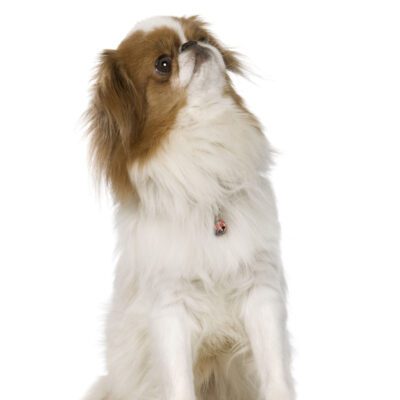
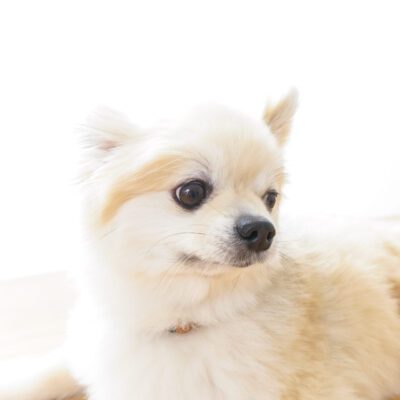
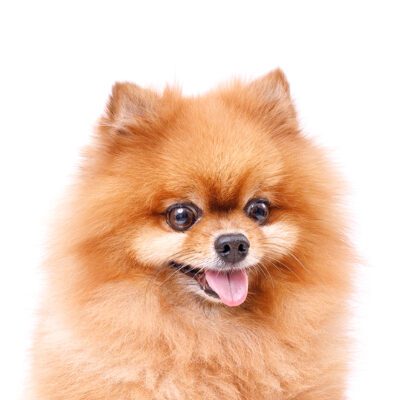
The Papillon Dog is bright, affectionate, and lively. This small companion loves people, learns quickly, and thrives on daily engagement. The silky single coat, elegant ears, and cheerful personality make the Papillon a standout choice for families and individuals who want a portable partner that still enjoys play and training. You should research the breed’s needs before you decide to adopt, because thoughtful preparation leads to a smoother transition and a happier match for both you and your dog.
Adoption is often preferable to buying because it supports responsible care, offers transparent medical histories, and gives deserving dogs a second chance. North Carolina can suit a Papillon well, but the environment calls for smart management. Summers are hot and humid across the coastal plain and Piedmont, and mountain areas bring cooler temperatures and occasional winter chill. A Papillon’s fine coat and small size mean the dog needs shade, air conditioning, and limited midday exercise during summer. The state’s mix of neighborhoods, apartments, and suburban homes fits this breed, as long as daily walks, indoor play, and mental enrichment remain consistent.
North Carolina’s beaches, greenways, and foothill paths provide gentle outings for a Papillon. Light hikes and park strolls are enjoyable, while rough terrain requires caution to protect small joints. City living also works well because the breed stays active indoors and does not need a large yard. With informed care and steady routines, a Papillon can thrive anywhere from the coast to the mountains.
You can avoid searching for shelters and rescues one by one by using Dog Academy to browse adoption listings in one place. You can also use Dog Academy’s educational guides and adoption checklists to prepare your home, compare options, and organize documents. Beyond centralized listings, you can look for Papillons through local animal shelters, regional rescues, and breed-specific rescue groups that serve North Carolina and nearby states.
Start by browsing available dogs and reading each profile closely. You should look for details about age, temperament, medical history, and any special needs. Once you find a good match, you can complete an application that typically requests personal information, proof of housing, and veterinary references. Clear, detailed answers help reviewers understand your experience and lifestyle.
If the application is approved, the next steps often include a phone interview and a meet-and-greet. A meet-and-greet allows you to see how the Papillon responds to you and any family members. Some groups request a home check to confirm safety. A home check verifies secure doors and fences, safe storage of medications and cleaners, and access to shade and climate control. Approval timelines usually run 1 to 3 weeks from application to pickup, although medical care or scheduling needs can extend the process.
Many rescues serve wide regions, and transport is often arranged by rescues to move dogs between locations. Transport may involve volunteer drivers or professional services that coordinate safe travel and rest stops. You can ask how the dog will travel, how updates will be shared, and when the pickup will occur. You can also request guidance on supplies so you have a crate, harness, and food ready on arrival.
Most families can expect to pay $250 to $500 to adopt a Papillon in North Carolina. Puppies often fall between $350 and $600 because demand is high and veterinary care is more intensive. Adult dogs commonly fall between $250 and $450, especially if they are already altered and up to date on care. Fees vary by age, training, medical history, and local demand for toy breeds.
Adoption fees typically cover spaying or neutering, vaccinations, microchipping, and veterinary exams. Fees may be higher if the dog received dental cleanings, specialized diagnostics, or treatment for conditions like luxating patella or allergies. Well-mannered dogs with established house training and basic obedience can also carry higher fees due to preparation time and resources. You should budget an additional $150 to $300 for initial supplies like a crate, harness, bed, bowls, and grooming tools.
The Papillon is intelligent, eager to please, and highly trainable. Short, upbeat sessions with tasty rewards help the dog learn quickly. Positive reinforcement builds confidence and encourages focus. You should teach foundation skills like sit, down, stay, leave it, and loose-leash walking. Early socialization with calm dogs and friendly people helps prevent timidity. Consistent routines support house training, which can take patience with small breeds that have tiny bladders.
Common challenges include alert barking, overexcitement, and jumping on visitors. You can redirect barking by rewarding quiet behavior, offering enrichment toys, and increasing mental exercise through puzzles and scent games. You should avoid harsh corrections because they can create fear and confusion. For a step-by-step plan, you can enroll in Dog Academy’s online training courses, which teach practical skills for manners, socialization, and enrichment tailored to small companion dogs.
The ideal adopter enjoys daily companionship, gentle exercise, and regular grooming. A Papillon suits apartments and houses alike, as long as you provide mental stimulation and safe indoor play. Families with children should supervise interactions and teach gentle handling because a small dog can be fragile. Thoughtful preparation makes the transition smooth and sets you and your dog up for success.
Take your time as you review listings, ask questions, and meet candidates. When you feel ready, explore Dog Academy to find current Papillon opportunities in North Carolina. Careful research, clear expectations, and steady training will help you welcome a confident, joyful Papillon into your home for years to come.
Introducing a new puppy to your current dog is often an exciting process, and many dogs will become fast friends and eas...
Read More
Rescue dogs can make great companions and can transform your home into something better. These dogs make great pets and ...
Read More
You should never rush to pet a dog. Even dog owners make the mistake of approaching unfamiliar dogs and petting them rig...
Read More
Puppy mill dogs are survivors who have endured extreme hardships in their lives. They have grown up in horrendous, unsan...
Read More
With their wagging tails and comforting presence, adopting a dog can add a unique touch to your life. It’s a heart...
Read More
Older dogs may have a few gray hairs around the edges, but that doesn’t mean they can’t make wonderful companions! T...
Read More