


























































































































































































Introducing a new puppy to your current dog is often an exciting process, and many dogs will become fast friends and eas...
Read MoreAdopt Me

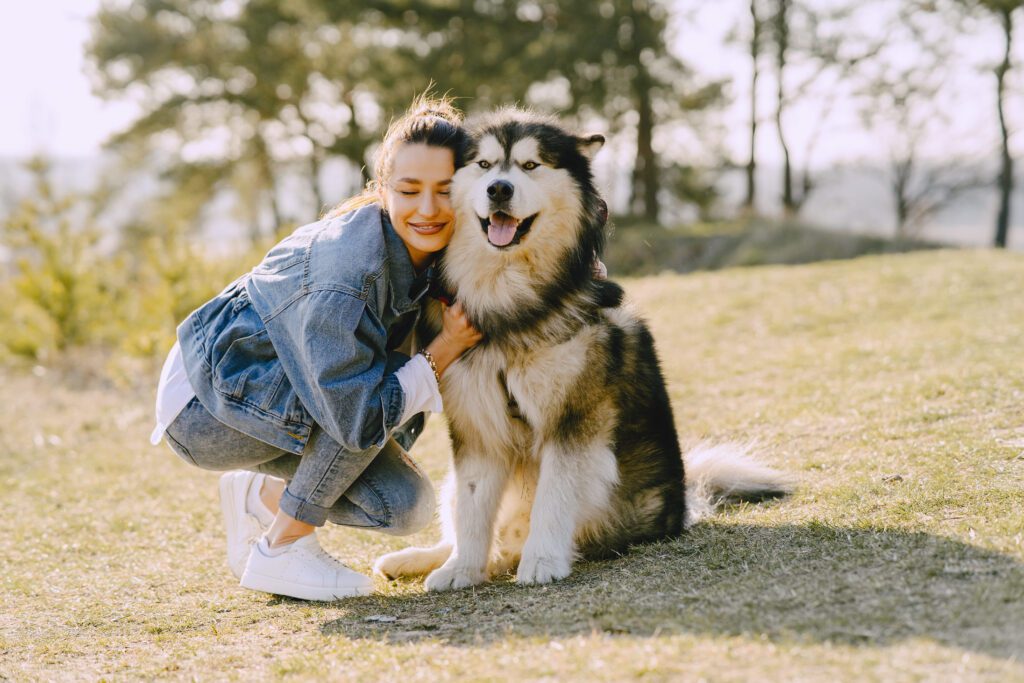



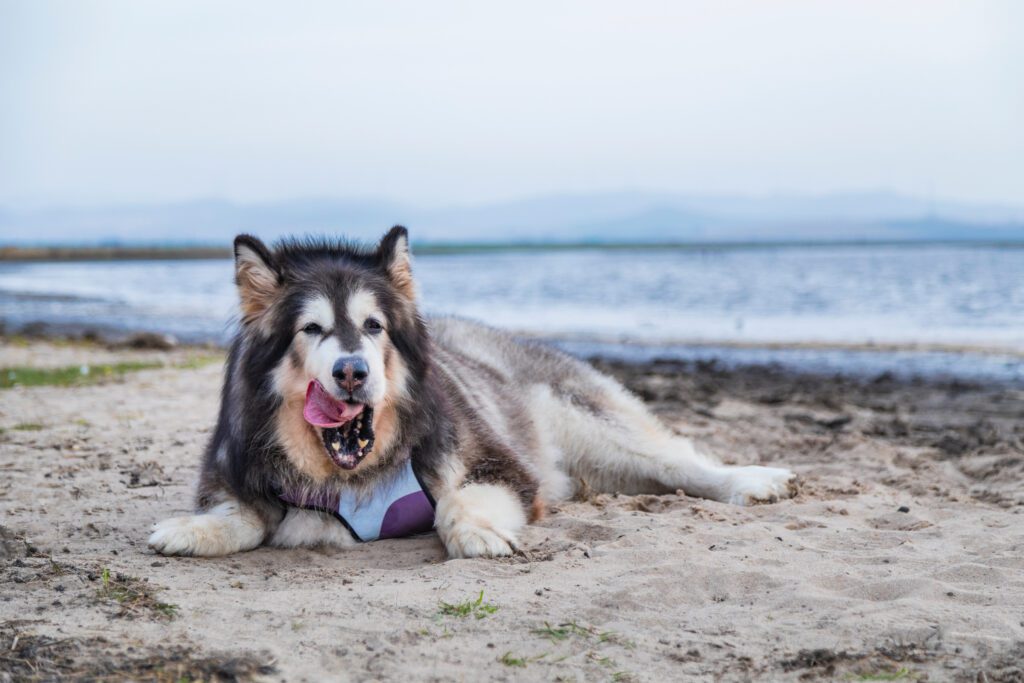
Alaskan Malamutes are loyal, affectionate, and adventurous. They are strong working dogs with steady temperaments and big hearts. They enjoy time with people and other dogs, and they thrive with regular exercise and clear structure. Their thick double coat sheds heavily and requires frequent brushing. They are vocal, clever, and independent, which makes them both charming and challenging.
Research matters before you adopt. A Malamute needs daily physical exercise and mental enrichment. The breed carries a strong prey drive and a natural urge to pull, dig, and roam. Adoption is often the best path because it matches dogs with committed owners while also opening space for other dogs in need. Adopters also gain support, honest behavior notes, and post-adoption guidance.
North Carolina can suit this breed when families plan carefully. Summers are hot and humid across the coast and Piedmont, which means owners must manage heat with air conditioning, shade, and water. The mountains offer cooler temperatures and miles of trails for hiking. Urban areas provide access to training and dog-friendly spaces, while larger suburban yards make daily play easier. With smart scheduling and safe conditioning, you can keep a Malamute comfortable and active in the state.
You can avoid searching local animal shelters and regional rescues one by one by starting with Dog Academy. Dog Academy collects adoption listings in one place and provides helpful guides and checklists so you can prepare with confidence. You can browse by location, filter for age and size, and save time while you find a good match.
Beyond centralized listings, you can also check local animal shelters, regional rescues, and breed-specific rescue groups. Begin by browsing available dogs, then submit a clear and complete application. Most applications request details about your household, schedule, fencing, training plan, and veterinary history. Many groups verify landlord approval for renters and request personal references to confirm readiness.
After your application, you can expect a phone interview and a meet-and-greet. Meet-and-greets allow you to see how the dog responds to you and to any resident pets. Some groups complete home checks to confirm safe containment and adequate space. Home checks can be in person or virtual, and they focus on yard security, indoor safety, and cooling or heating needs. Timelines vary, but approvals in North Carolina often take 3 to 14 days once your application is complete.
If you find a great fit outside your immediate area, transport is sometimes available. Transport is often arranged by rescues to move dogs between cities or states when a strong match appears. Coordinators schedule volunteer drivers or licensed carriers, secure a health certificate when required, and communicate pickup and drop-off locations. Transport can add time and may involve a modest fee, but it expands your options without long-distance travel.
|
How Much Does It Cost to Adopt a Alaskan Malamute in North Carolina?In North Carolina, adoption fees for an Alaskan Malamute typically range from $200 to $450 for most adults and from $300 to $550 for puppies. Fees vary based on age, training, medical history, and local demand for the breed. Puppies and younger dogs usually cost more because preventive care and early vetting are recent and complete. Well-trained adults can also carry higher fees when demand is strong. Adoption fees usually include spaying or neutering, vaccinations, microchipping, and veterinary exams. Many groups also include heartworm testing and deworming. Large breeds can cost more to vet, which can raise fees slightly. Some organizations add a small transport charge when coordinating long-distance placements. Always ask for an itemized list so you understand exactly what the fee covers. |
How Should I Train a Alaskan Malamute?Malamutes are intelligent, social, and independent. They learn quickly, yet they often question commands if the training feels dull. Use positive reinforcement with high-value rewards, short sessions, and clear criteria. Focus on impulse control, loose-leash walking, and reliable settle behaviors that help the dog relax at home and in public. Plan early management for common challenges. Many Malamutes pull hard, chase wildlife, dig, and test boundaries. Teach a strong cue for attention, reinforce calm behavior at doors, and practice recall on a long line in secure areas. Avoid off-leash freedom in open spaces, because this breed is prone to roaming. A secure fence at least 6 feet tall helps prevent escape, and daily enrichment reduces digging. Consistency, structure, and patience build long-term success. If you want step-by-step support, explore Dog Academy’s online training courses. You can follow expert plans for leash skills, recall, crate training, and polite greetings. Courses include video lessons, printable homework, and coaching that keeps you on track through the first months at home. |
|
A great Malamute home includes active people who enjoy daily exercise, provide cool indoor spaces during hot months, and maintain a secure yard. Owners should be ready for heavy shedding, regular brushing, and clear training rules. Families who like hiking, structured play, and teamwork will love this breed.
Take time to research, prepare supplies, and confirm a routine before you bring your dog home. When you adopt a Alaskan Malamute in North Carolina with a careful plan, you give your new companion the best chance to thrive. Slow down, ask questions, and choose the dog that fits your lifestyle today and for years to come.

Introducing a new puppy to your current dog is often an exciting process, and many dogs will become fast friends and eas...
Read More
Rescue dogs can make great companions and can transform your home into something better. These dogs make great pets and ...
Read More
You should never rush to pet a dog. Even dog owners make the mistake of approaching unfamiliar dogs and petting them rig...
Read More
Puppy mill dogs are survivors who have endured extreme hardships in their lives. They have grown up in horrendous, unsan...
Read More
With their wagging tails and comforting presence, adopting a dog can add a unique touch to your life. It’s a heart...
Read More
Older dogs may have a few gray hairs around the edges, but that doesn’t mean they can’t make wonderful companions! T...
Read More