




























































































































































































Introducing a new puppy to your current dog is often an exciting process, and many dogs will become fast friends and eas...
Read MoreAdopt Me

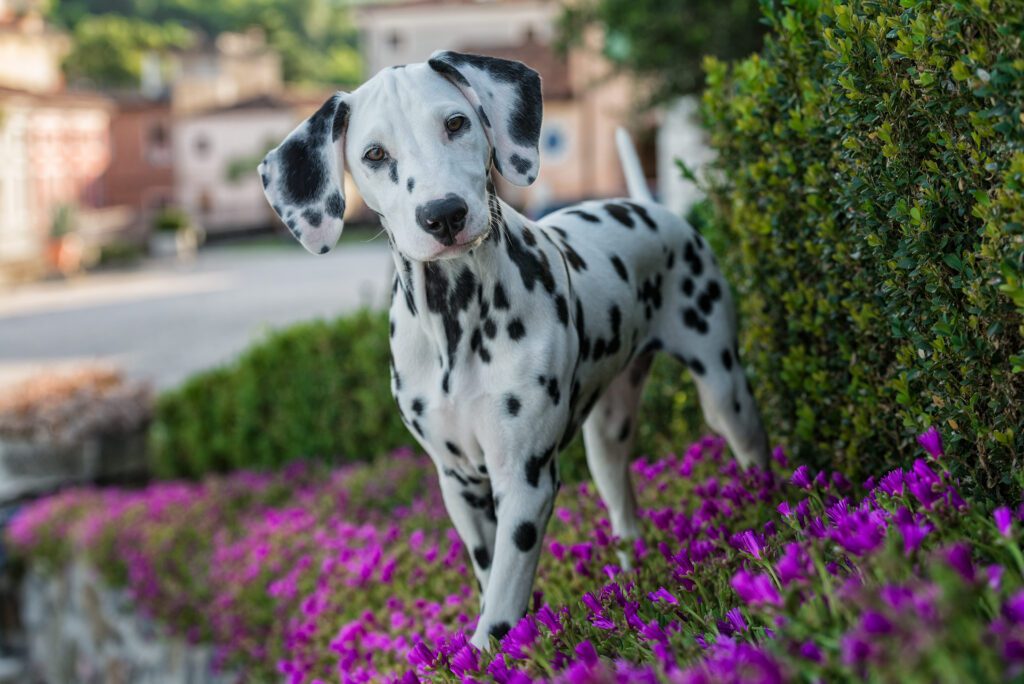
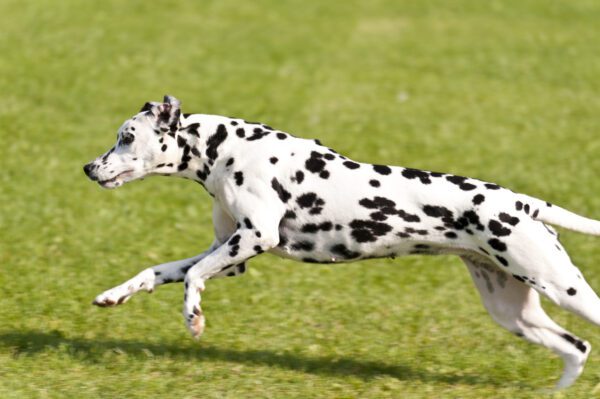
Dalmatians are athletic, intelligent, and deeply loyal. Their bold spots and sparkling eyes turn heads, but their real appeal comes from a fun-loving spirit and a strong desire to stay close to their people. A Dalmatian thrives with active owners who enjoy daily exercise, consistent routines, and plenty of mental enrichment.
Good research protects both you and the dog. Dalmatians shed year-round despite their short coat, and they need frequent brushing and reliable house rules. Many excel with structured training and early socialization. The breed has a higher-than-average rate of deafness, so a clear training plan that includes visual cues can set your dog up for success. Strong hydration habits and regular veterinary checkups help support urinary health.
Adoption gives a Dalmatian a second chance while providing you with support and transparency. Adopted dogs often come with known histories from fosters and with completed veterinary care. North Carolina offers a great backdrop for an active breed. The state’s beaches, greenways, and mountain trails invite daily activity. Hot, humid summers require heat safety and midday rest, while mild winters make year-round outings possible. A secure yard is helpful but not required when you build a routine around brisk walks and structured play.
You can avoid searching shelters and rescues one by one by using Dog Academy to browse current adoption listings in one place. Dog Academy also provides educational guides and adoption checklists that explain requirements, questions to ask, and how to prepare your home. This approach saves time and helps you focus on fit and readiness.
Adoptable Dalmatians in North Carolina appear through local animal shelters, regional rescues, breed-specific rescue groups, and foster-based networks. Start by reading full profiles that describe age, temperament, energy level, medical history, and the type of home the dog needs. Ask for videos or live calls when possible so you can see how the dog moves, engages, and relaxes around people.
Most organizations use a straightforward process. You submit an online application, provide personal references, and share details about housing, fencing, and your schedule. Many groups ask for proof of landlord or homeowners association approval when relevant. Review times vary, but a typical approval window runs 1 to 3 weeks depending on volunteer capacity and the number of applicants for the dog.
After approval, you attend a meet-and-greet to confirm compatibility and discuss routines, feeding, and exercise needs. Some groups complete a virtual or in-person home check to ensure safety, including secure trash, safe storage of chemicals, and escape-proof doors. Finalizing the adoption includes signing an agreement, paying the fee, and receiving medical records. When a dog is located farther away, rescues sometimes arrange transport to move dogs between locations. Transport usually involves vetted drivers, planned rest stops, and required health certificates to ensure the dog travels safely.
|
How Much Does It Cost to Adopt a Dalmatian in North Carolina?Most North Carolina adopters can expect to pay about $200 to $450 for an adult Dalmatian and about $300 to $600 for a puppy. Seniors or dogs with special needs can be lower, often in the $100 to $250 range, while highly trained young adults can be higher. Fees reflect completed care such as spaying or neutering, vaccinations, microchipping, and veterinary exams, which reduces your immediate out-of-pocket costs. Pricing varies with age, prior training, medical care already provided, and local demand for the breed. A puppy with high interest may cost more because of vaccines and supplies, while an adult treated for heartworm or other conditions may carry a higher fee to offset medical bills. Length of time in foster care, behavior support, and post-adoption resources can also influence the final amount. |
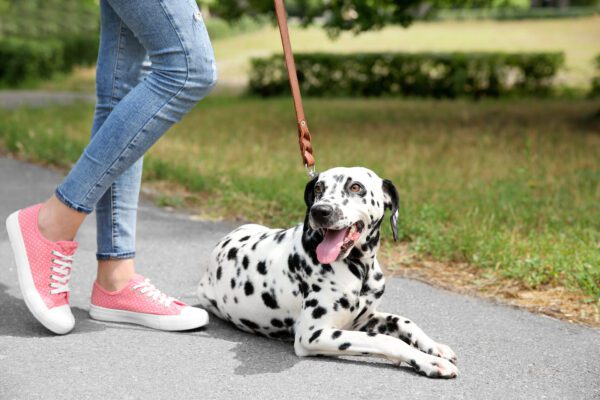
How Should I Train a Dalmatian?Dalmatians are bright, eager, and quick to learn when training stays upbeat and consistent. Positive reinforcement works best. Reward calm behavior, use short sessions, and mix obedience with games so the dog stays engaged. Focus early on loose-leash walking, polite greetings, recall, and relaxation on a mat. Provide daily mental work through scent games, puzzle feeders, and pattern drills to channel energy in a healthy way. Plan for proactive socialization with friendly dogs, people of different ages, and varied environments. Many Dalmatians do well with visual cues, which is especially helpful because the breed has a higher risk of hearing loss. Hand signals, marker training with a clear visual signal, and vibration cues on the floor can all help. Most adults thrive on 60 to 90 minutes of combined physical and mental exercise each day. For step-by-step guidance, explore Dog Academy’s online training courses to build reliable skills at home. |
|
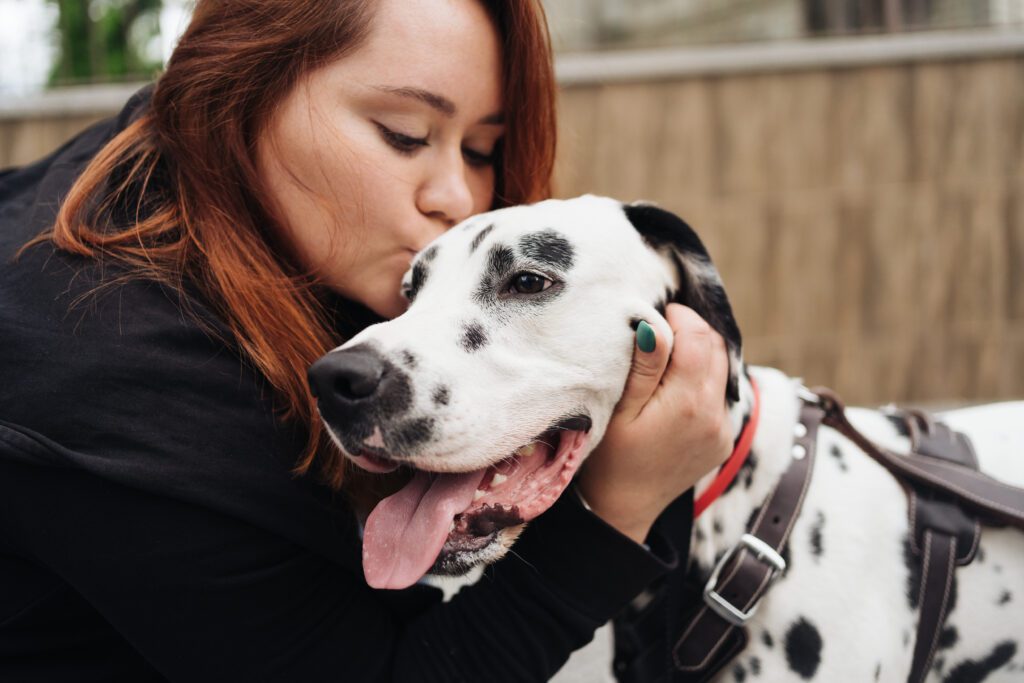
The ideal adopter enjoys daily activity, structured routines, and time for companionship. A Dalmatian fits best with owners who value consistent training, who can provide steady exercise, and who commit to grooming and regular veterinary care. Families with dog-savvy children often do well when they teach gentle handling and clear house rules.
Preparation leads to a smooth start. Gather supplies in advance, review adoption checklists, and confirm your schedule for exercise and training. Take your time to evaluate several dogs and choose the temperament that fits your lifestyle. When you are ready to adopt a Dalmatian in North Carolina, use Dog Academy resources to make informed choices and to welcome your new companion with confidence.

Introducing a new puppy to your current dog is often an exciting process, and many dogs will become fast friends and eas...
Read More
Rescue dogs can make great companions and can transform your home into something better. These dogs make great pets and ...
Read More
You should never rush to pet a dog. Even dog owners make the mistake of approaching unfamiliar dogs and petting them rig...
Read More
Puppy mill dogs are survivors who have endured extreme hardships in their lives. They have grown up in horrendous, unsan...
Read More
With their wagging tails and comforting presence, adopting a dog can add a unique touch to your life. It’s a heart...
Read More
Older dogs may have a few gray hairs around the edges, but that doesn’t mean they can’t make wonderful companions! T...
Read More