


























































































































































































Introducing a new puppy to your current dog is often an exciting process, and many dogs will become fast friends and eas...
Read MoreAdopt Me

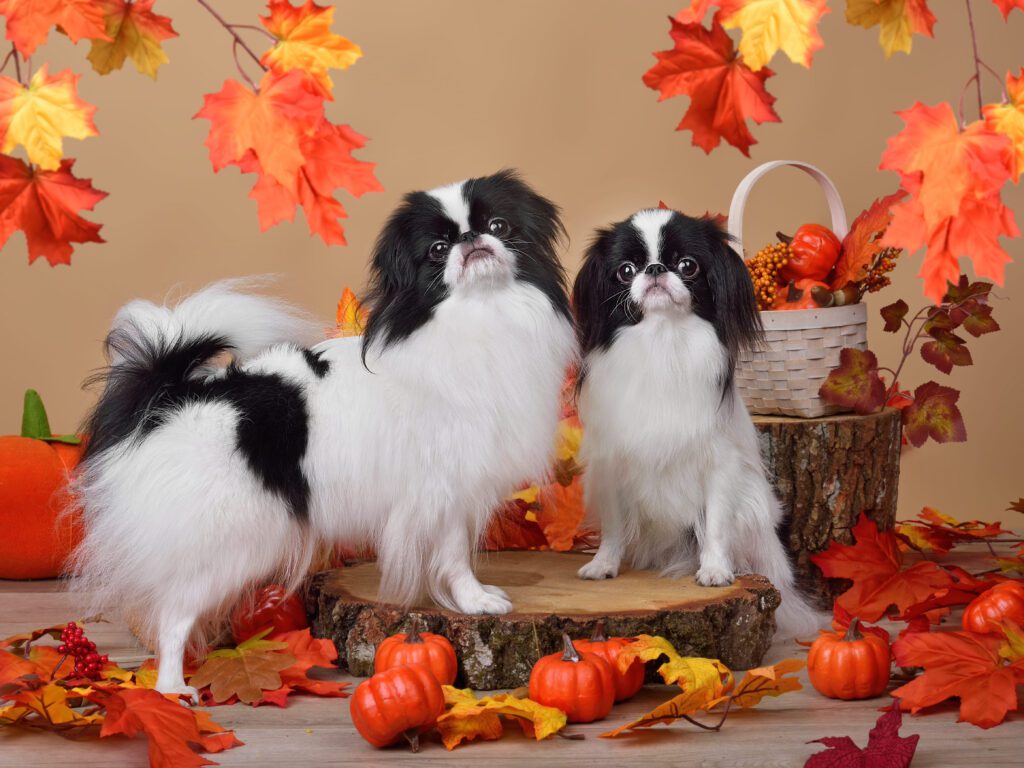



The Japanese Chin is a gentle, affectionate companion that loves calm routines and close bonds. This toy breed is attentive and graceful, with a light, feline-like gait and a soft coat that invites cuddles. The breed thrives when it can stay near its people and enjoy short play sessions, indoor games, and cozy naps.
Research always matters before you adopt a Japanese Chin in North Carolina. Understanding grooming needs, exercise levels, and health considerations helps you choose a dog that fits your lifestyle. Adoption is a kind choice because it gives a dog a fresh start, supports local animal welfare efforts, and often provides a clearer picture of temperament and needs through foster insights.
North Carolina’s climate brings humid summers, mild winters, and varied geography from coastal plains to mountain towns. A Japanese Chin handles short walks and indoor play well but needs careful heat management due to a short muzzle and a heavy coat. Air conditioning, shaded routes, and cool floors help in summer. The breed suits apartments and condos in urban centers and also fits quiet suburban homes. In mountain areas, cooler air helps, while in coastal communities, year-round humidity calls for regular coat care and vigilant flea and tick prevention.
You can avoid searching shelters and rescues one by one by starting with Dog Academy, where you can browse adoption listings and use helpful educational guides and adoption checklists. You can also look at local animal shelters, regional rescues, and breed-specific rescue groups that focus on small companion dogs. Foster-based organizations often post detailed notes on behavior and daily routines, which can make matching easier.
The process usually starts by browsing listings and reading full profiles. Profiles often include age, size, temperament notes, medical history, and ideal home features. When you see a good fit, you submit an application that asks about your household, schedule, experience with dogs, and housing details. Many groups verify references and may contact landlords to confirm pet policies for renters.
After an initial review, you may join a phone interview to discuss fit and expectations. Meet-and-greets often happen at the shelter, at adoption events, or in a foster home so you can see how the dog responds to you. Some groups complete virtual or in-person home checks to confirm safety, including secure doors, safe stairs, and a plan for climate control during summer heat. Approval timelines vary by organization and by the dog, though many adoptions move from application to approval in 1 to 3 weeks.
When a dog is not nearby, rescues sometimes arrange transport to move dogs between locations. Transport is often a coordinated relay that brings a dog from a foster home to a central pickup point where adopters meet the transport team. Groups communicate clear schedules and health requirements so the handoff is smooth and safe.
|
How Much Does It Cost to Adopt a Japanese Chin in North Carolina?In North Carolina, the typical adoption fee for a Japanese Chin ranges from $250 to $500 for adults, with puppies sometimes reaching $350 to $650 when available. Fees reflect medical care already provided and the demand for a small, popular companion breed. Costs vary based on age, training, medical care, and demand. Fees often include spaying or neutering, vaccinations, microchipping, and veterinary exams. A dog that recently received dental work, treatment for minor conditions, or professional grooming may carry a higher fee that still represents strong value because those services are already completed. |
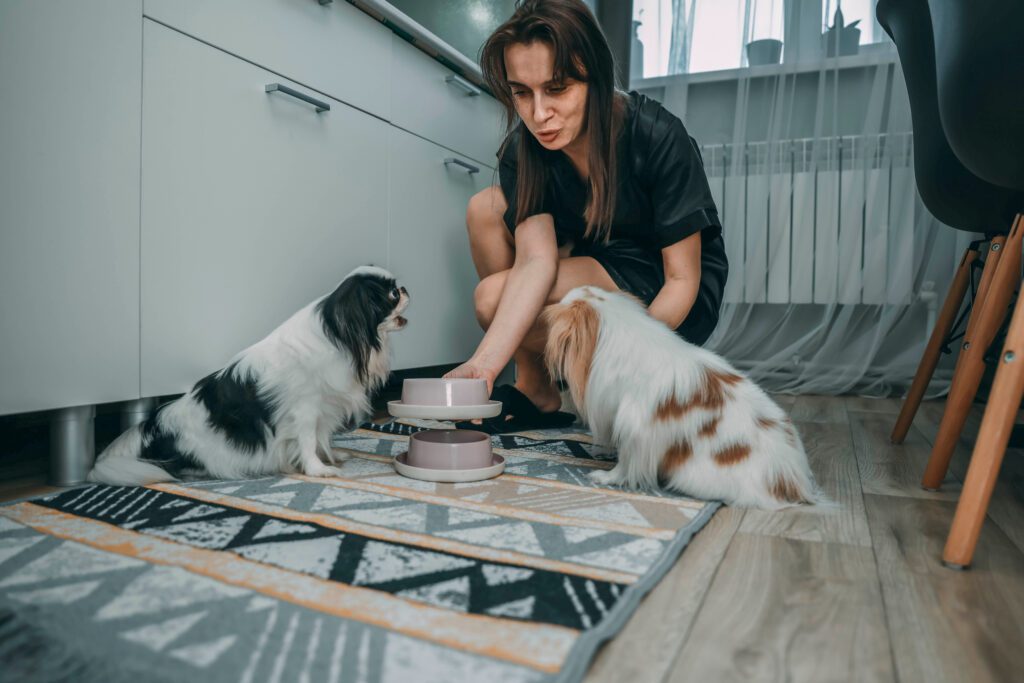
How Should I Train a Japanese Chin?The Japanese Chin is bright, sensitive, and eager to please when training feels fun and gentle. Short sessions work best because the breed can lose interest with drill-style repetition. Use calm praise, tiny treats, and clear cues to reinforce success. House training and crate training require consistency, a predictable schedule, and generous rewards for correct choices. Leash skills come quickly when you keep walks short and allow sniff breaks. Common challenges include delayed house training, selective listening when distracted, and occasional alarm barking. You can prevent these issues by rewarding quiet behavior, giving frequent outdoor breaks, and building cue reliability indoors before moving outside. For step-by-step help that fits a small companion breed, try Dog Academy’s online training courses, which teach positive reinforcement methods and provide focused plans for manners, socialization, and confidence building. |
|
The ideal home for a Japanese Chin is calm, safe, and committed to indoor living with climate control. This breed suits first-time adopters who want guidance, seniors who prefer a gentle companion, and busy professionals who can offer short walks, playtime, and daily affection. Families with children can succeed when everyone learns gentle handling and respectful boundaries.
Preparation sets you up for a smooth transition. Gather a secure crate, a soft harness, a lightweight leash, grooming tools, and cooling mats for summer. Schedule a vet visit within the first week and plan a steady routine of meals, potty breaks, and quiet rest. Take your time, ask questions, and keep learning so you adopt a Japanese Chin in North Carolina with confidence and care. When you are ready, browse listings and use the guides that make each step easier.

Introducing a new puppy to your current dog is often an exciting process, and many dogs will become fast friends and eas...
Read More
Rescue dogs can make great companions and can transform your home into something better. These dogs make great pets and ...
Read More
You should never rush to pet a dog. Even dog owners make the mistake of approaching unfamiliar dogs and petting them rig...
Read More
Puppy mill dogs are survivors who have endured extreme hardships in their lives. They have grown up in horrendous, unsan...
Read More
With their wagging tails and comforting presence, adopting a dog can add a unique touch to your life. It’s a heart...
Read More
Older dogs may have a few gray hairs around the edges, but that doesn’t mean they can’t make wonderful companions! T...
Read More