



























































































































































































Introducing a new puppy to your current dog is often an exciting process, and many dogs will become fast friends and eas...
Read MoreAdopt Me

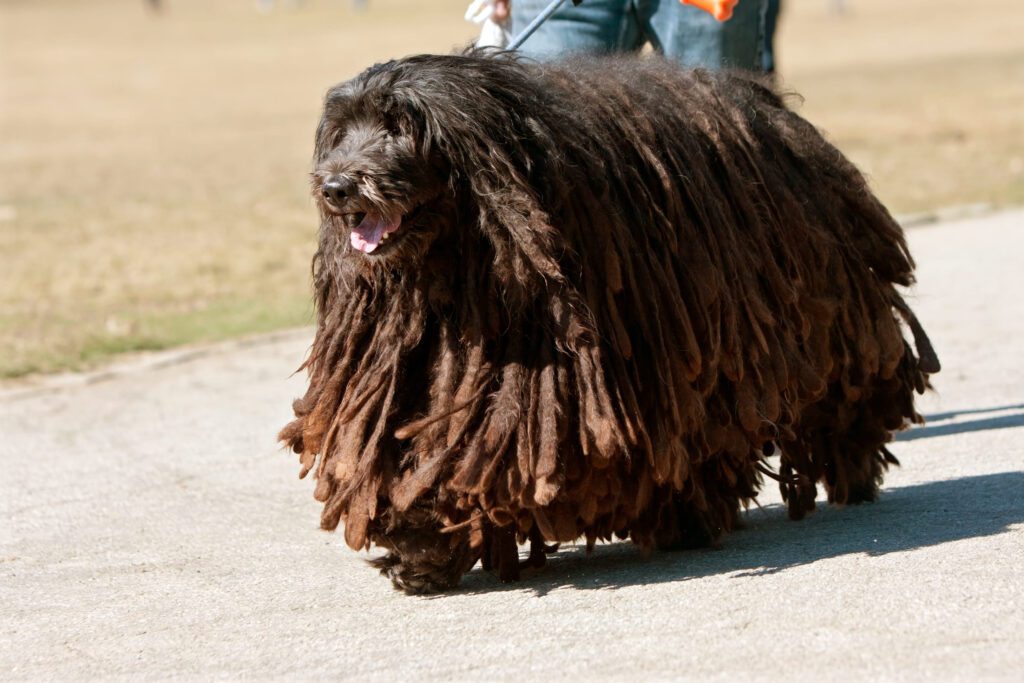
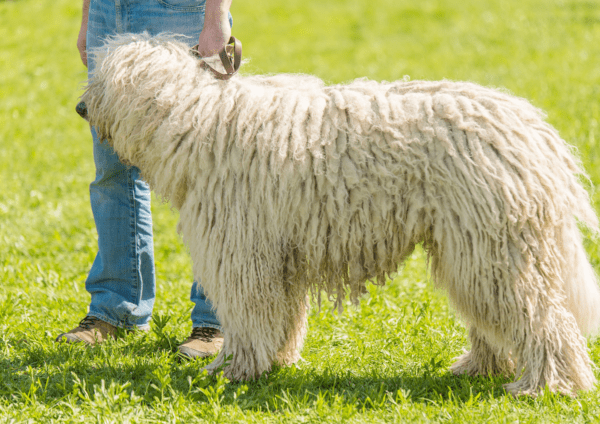
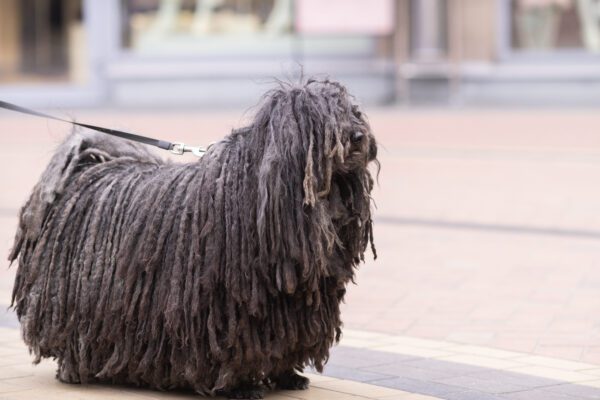
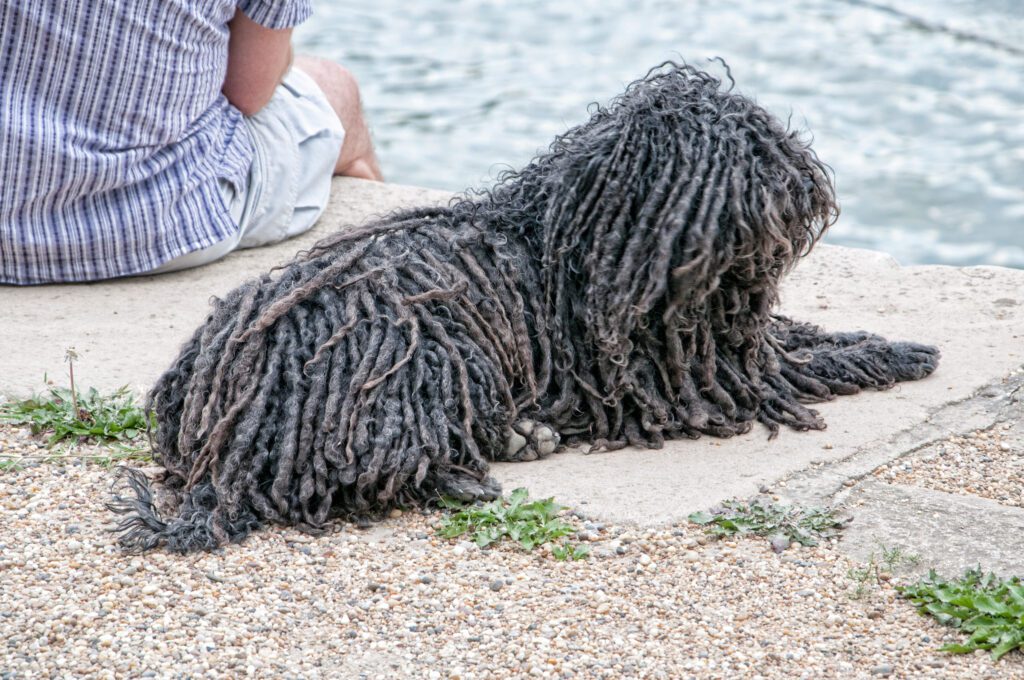
The Komondor is a calm yet vigilant guardian that bonds deeply with family. This large livestock guardian dog is confident, independent, and loyal. The famous corded coat gives a striking look and also offers weather protection, though it requires knowledgeable care. Anyone planning to adopt a Komondor in North Carolina should learn the breed’s needs before bringing one home.
Adoption gives a deserving dog a second chance and often provides helpful support after placement. It also helps you avoid the risks that come with irresponsible breeding. Careful research sets you and your new dog up for success. North Carolina’s hot summers, mild winters, and varied terrain create both opportunities and challenges for this breed. The coat tolerates cold days in the mountains, yet the dog can overheat during coastal or Piedmont heat. Consistent shade, cool rest areas, and calm mid-day routines are essential.
Rural properties with secure fencing often suit a Komondor best. Suburban homes can also work with space, structure, and daily exercise. Busy urban living can be difficult due to size and guarding instincts. A thoughtful match and a steady routine help this thoughtful guardian relax and thrive.
You can skip searching shelters and rescues one by one by browsing listings through Dog Academy. The platform gathers adoptable dogs from multiple sources in one place, which saves time and keeps your search organized. You can filter by location, age, and size. You can also use Dog Academy educational guides and adoption checklists to prepare your home and your schedule.
Start by checking local animal shelters, regional rescues, breed-specific rescue groups, and foster networks. The Komondor is rare, so you may need to search statewide and remain open to nearby regions. Transport is often arranged by rescues to move dogs between locations. Transport usually involves vetted drivers or volunteer relays, a required health certificate, and a scheduled pickup at a central meeting point or direct delivery to your area.
After you find a potential match, submit an application with detailed information about your home, your routine, your fencing, and your experience with large breeds. Many groups request personal references and landlord approval when you rent. A coordinator reviews your application, schedules a phone interview, and may conduct a virtual or in-person home check. If you pass screening, you set a meet-and-greet with the dog and any resident pets. Some programs offer a short trial stay to confirm the fit. Final approval usually takes 1 to 3 weeks, though timing can vary with veterinary schedules and transport.
Komondors need secure fencing, patient socialization, and clear routines. Share your training plan, your grooming plan, and your exercise plan during the process. Demonstrating readiness helps reviewers see that you understand the breed’s needs and that you can provide a safe environment.
|
How Much Does It Cost to Adopt a Komondor in North Carolina?Most adopters in North Carolina can expect a Komondor adoption fee in the range of $250 to $450 for adults, with puppies and young adolescents often ranging from $350 to $600. Fees vary with age, training level, medical care, and local demand. Intake costs for a large coated breed can be higher, which can modestly raise the fee. Fees typically include spaying or neutering, vaccinations, microchipping, and veterinary exams. Many groups also provide heartworm testing and a short supply of preventives. Plan for initial supplies and grooming needs right away. A sturdy brush, high-capacity vacuum, quality shampoo, and an introduction session with a professional groomer can help you maintain healthy cords. Budget for a secure crate, reliable gates, a well-fitted harness, and an identification tag for safety. |
How Should I Train a Komondor?The Komondor is intelligent and thoughtful, yet strong-willed. The breed was developed to make decisions while guarding, so training works best when it is calm, consistent, and respectful. Use positive reinforcement with high-value rewards. Keep sessions short and focused. End on success to build confidence and trust. Early and ongoing socialization is essential. Introduce new people, calm dogs, and varied environments in a controlled way. Focus on foundation skills like leash manners, recall, place training, and impulse control. Avoid harsh corrections, which can create conflict in a guardian breed. Clear routines and predictable rules help the dog relax and follow guidance. For step-by-step help, explore Dog Academy’s online training courses, which provide structured lessons you can use at home. Grooming cooperation is also a key skill. Teach handling for paws, ears, and coat care early. Pair every touch with a reward. Practice quiet crate time and calm door greetings to reduce overexcitement and to support safe home management. |
|
The ideal adopter is an experienced handler who enjoys training, has a securely fenced yard, and can provide steady structure. A Komondor needs time with family, thoughtful socialization, and smart exercise rather than constant high-intensity activity. The dog gives loyalty and protection when the owner provides calm leadership and clear boundaries.
Prepare your home, gather supplies, and study the breed before you adopt a Komondor in North Carolina. Take your time, ask questions, and make sure the match feels right. When you are ready, use Dog Academy resources and listings to move forward with clarity and confidence.

Introducing a new puppy to your current dog is often an exciting process, and many dogs will become fast friends and eas...
Read More
Rescue dogs can make great companions and can transform your home into something better. These dogs make great pets and ...
Read More
You should never rush to pet a dog. Even dog owners make the mistake of approaching unfamiliar dogs and petting them rig...
Read More
Puppy mill dogs are survivors who have endured extreme hardships in their lives. They have grown up in horrendous, unsan...
Read More
With their wagging tails and comforting presence, adopting a dog can add a unique touch to your life. It’s a heart...
Read More
Older dogs may have a few gray hairs around the edges, but that doesn’t mean they can’t make wonderful companions! T...
Read More